

Solombala Arctic School
Project idea
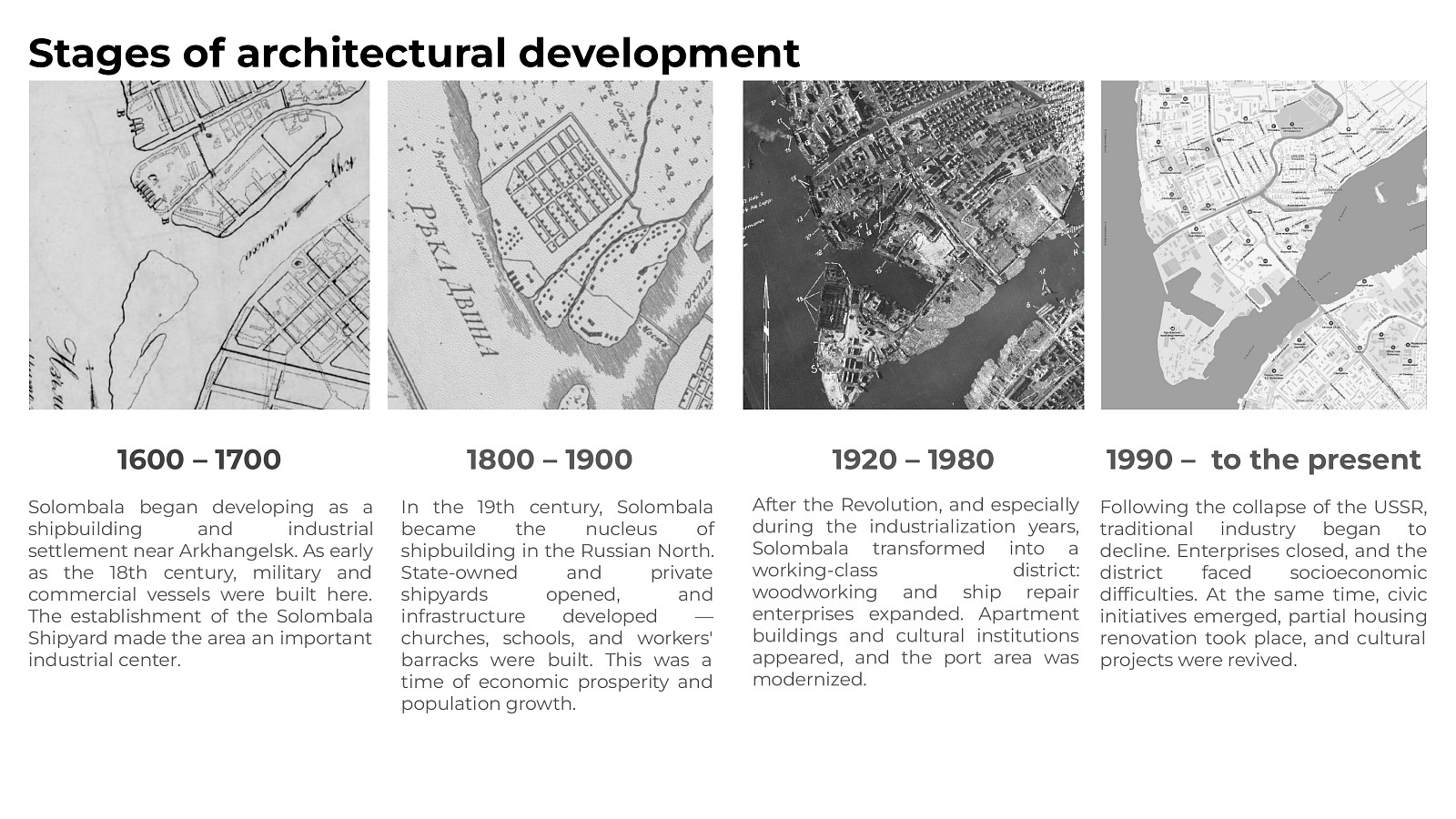
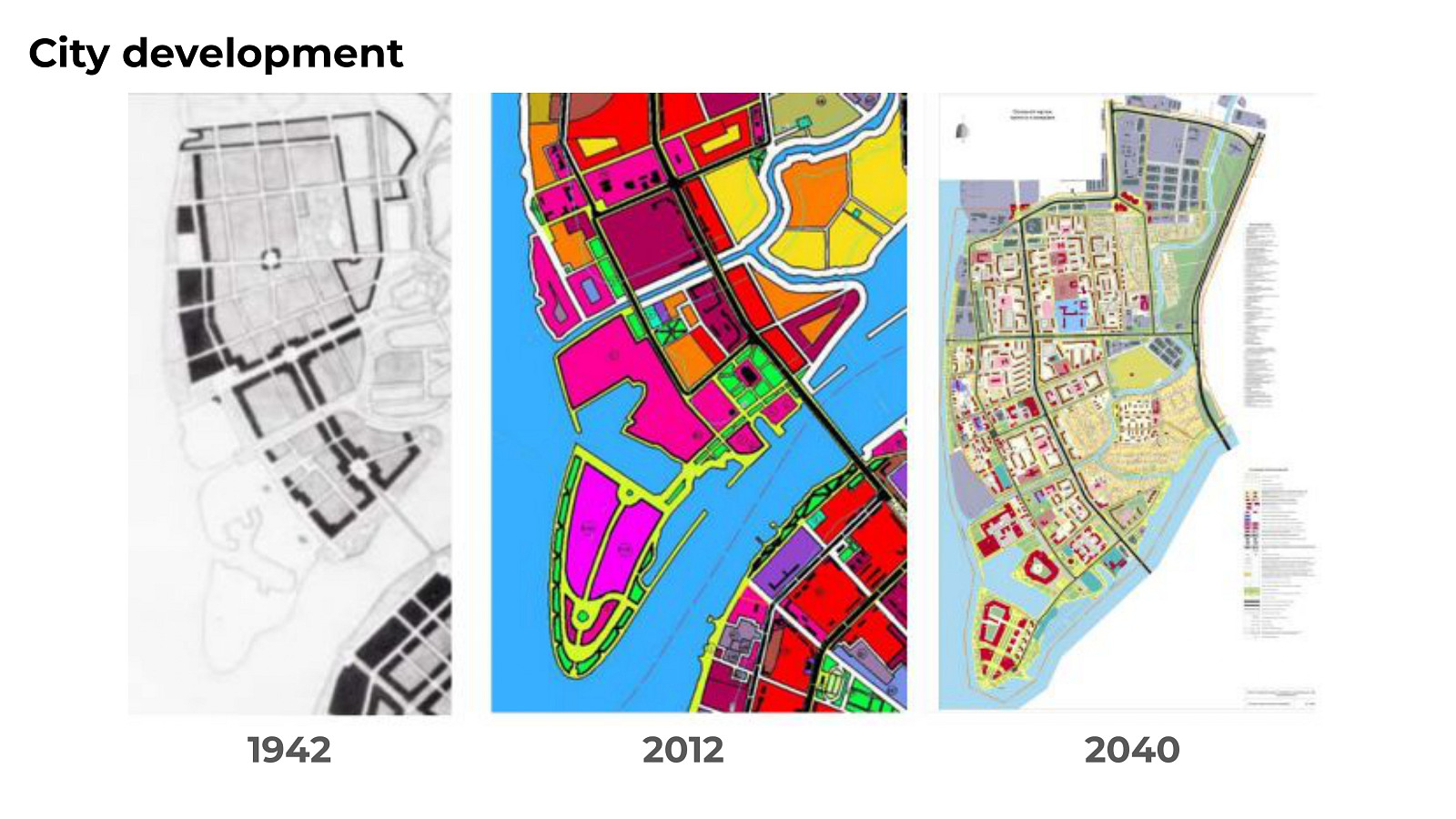
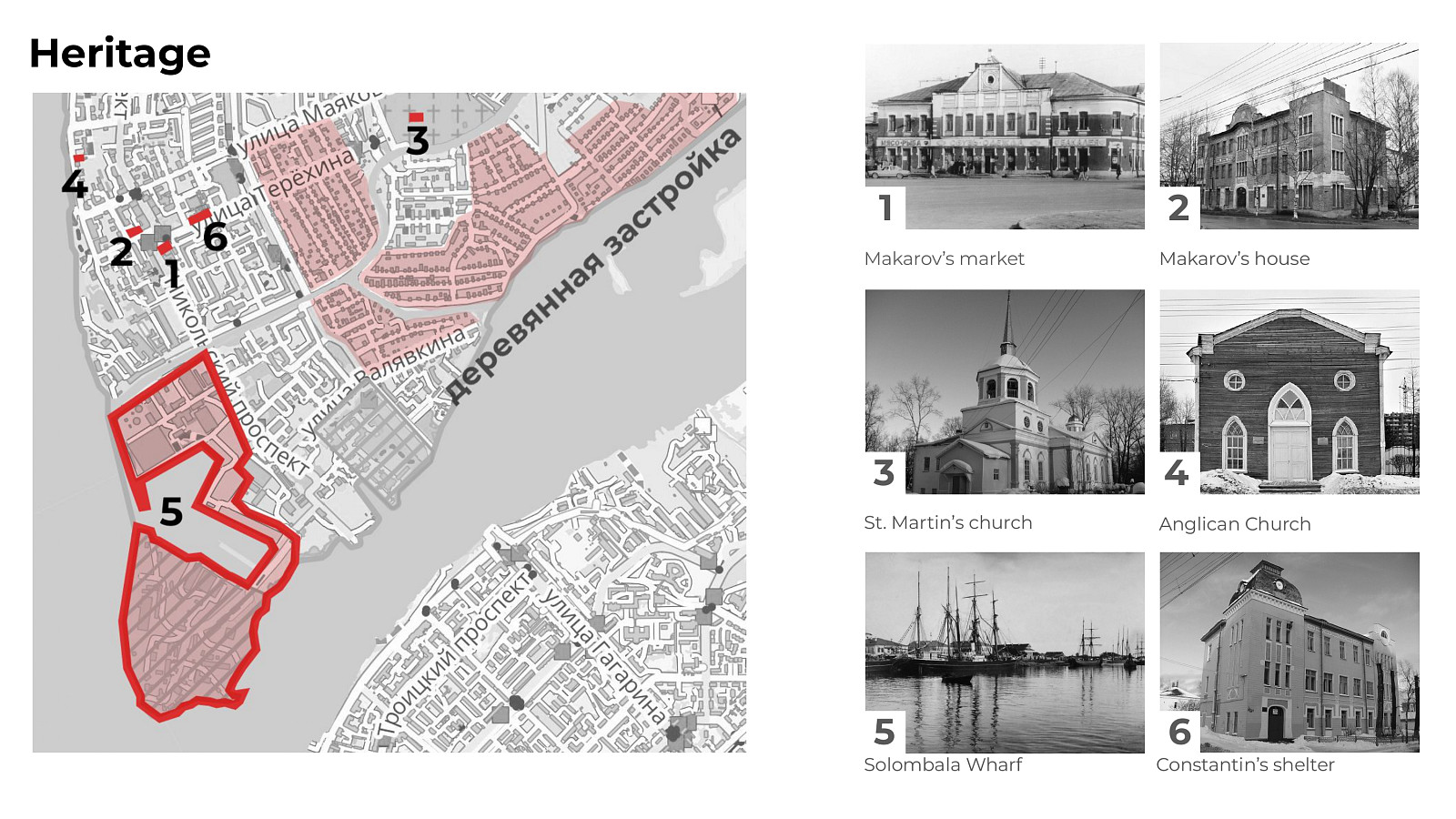
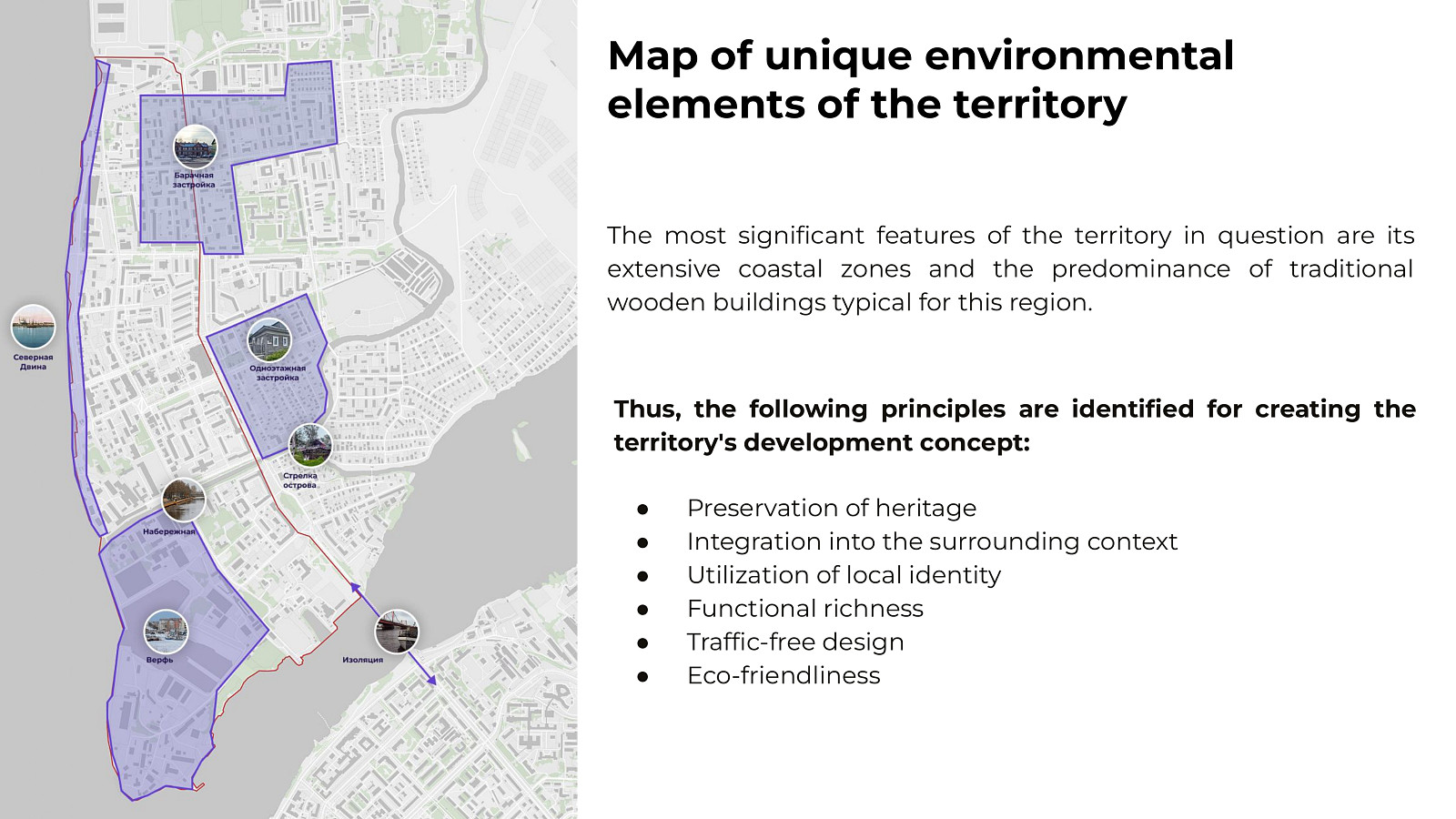
The primary challenge for educational infrastructure in the Arctic region is its extreme climate. In response, this project proposes a sustainable timber school for the Solombala historical district of Arkhangelsk. The concept centers on creating a warm, compact school designed to function efficiently throughout the winter months and remain illuminated during the polar nights. The resulting design integrates the historical-cultural context of the area with contemporary design methodologies tailored for extreme northern conditions, establishing a model for sustainable and context-sensitive architecture.
Project description
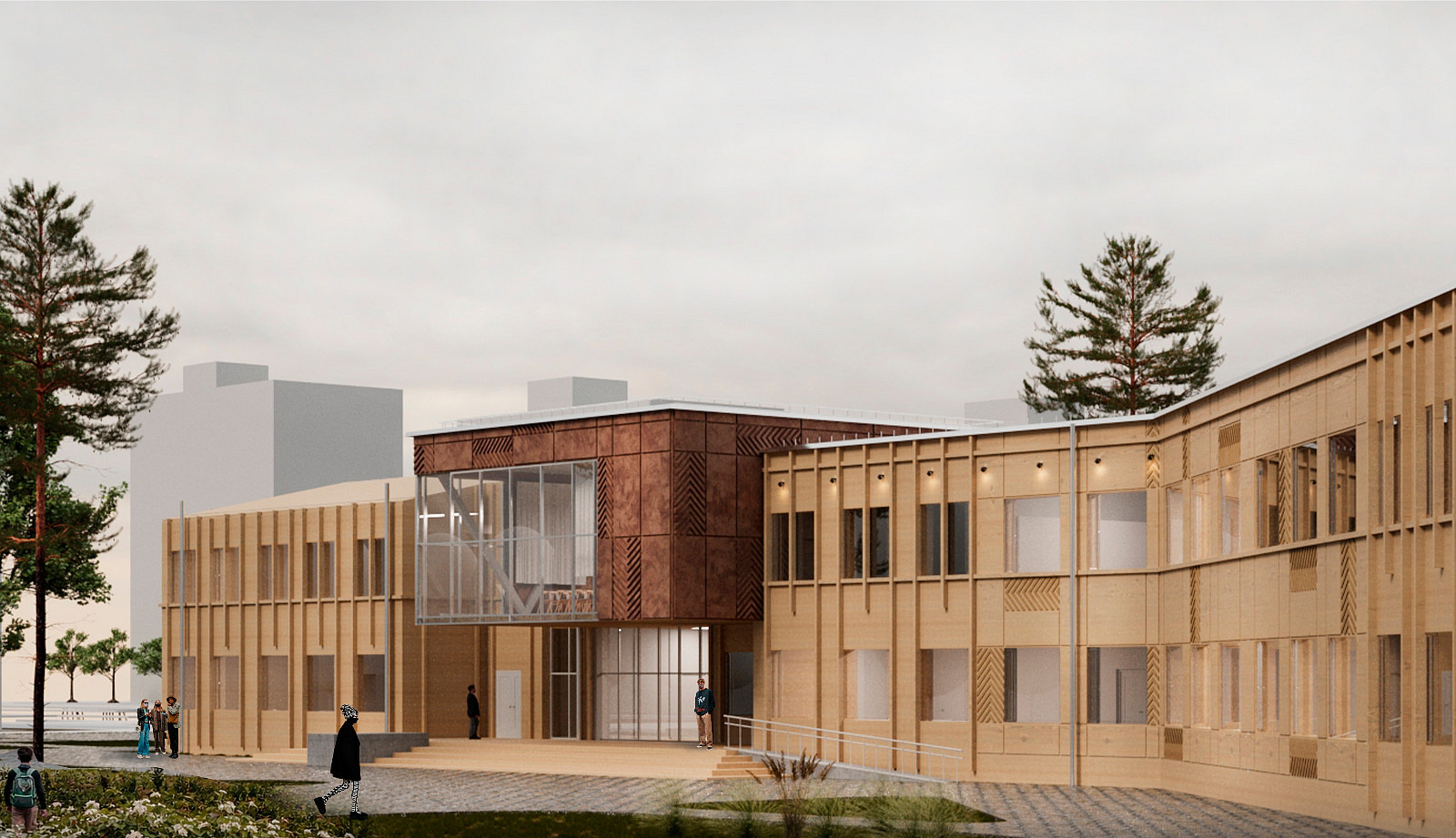
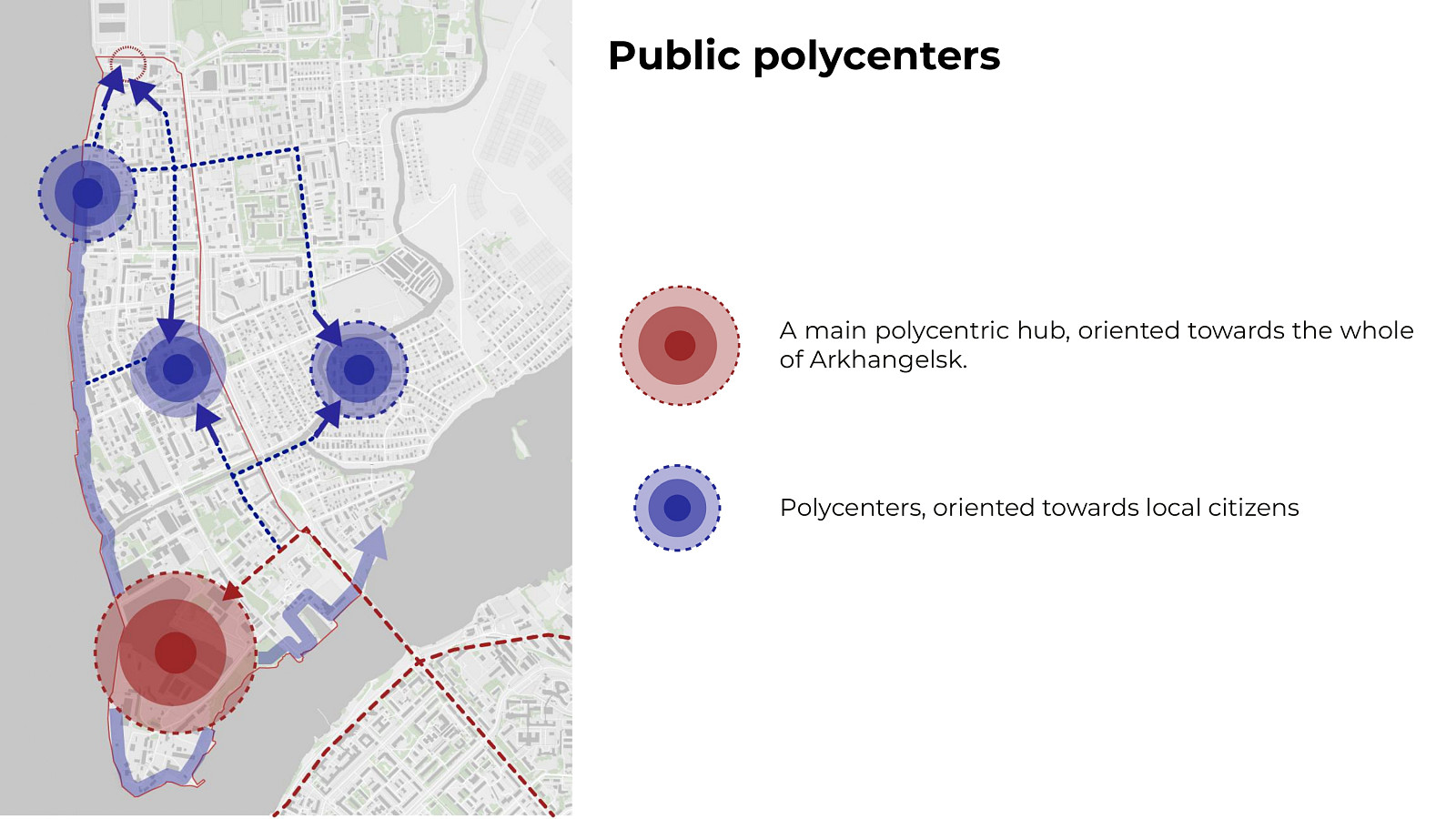
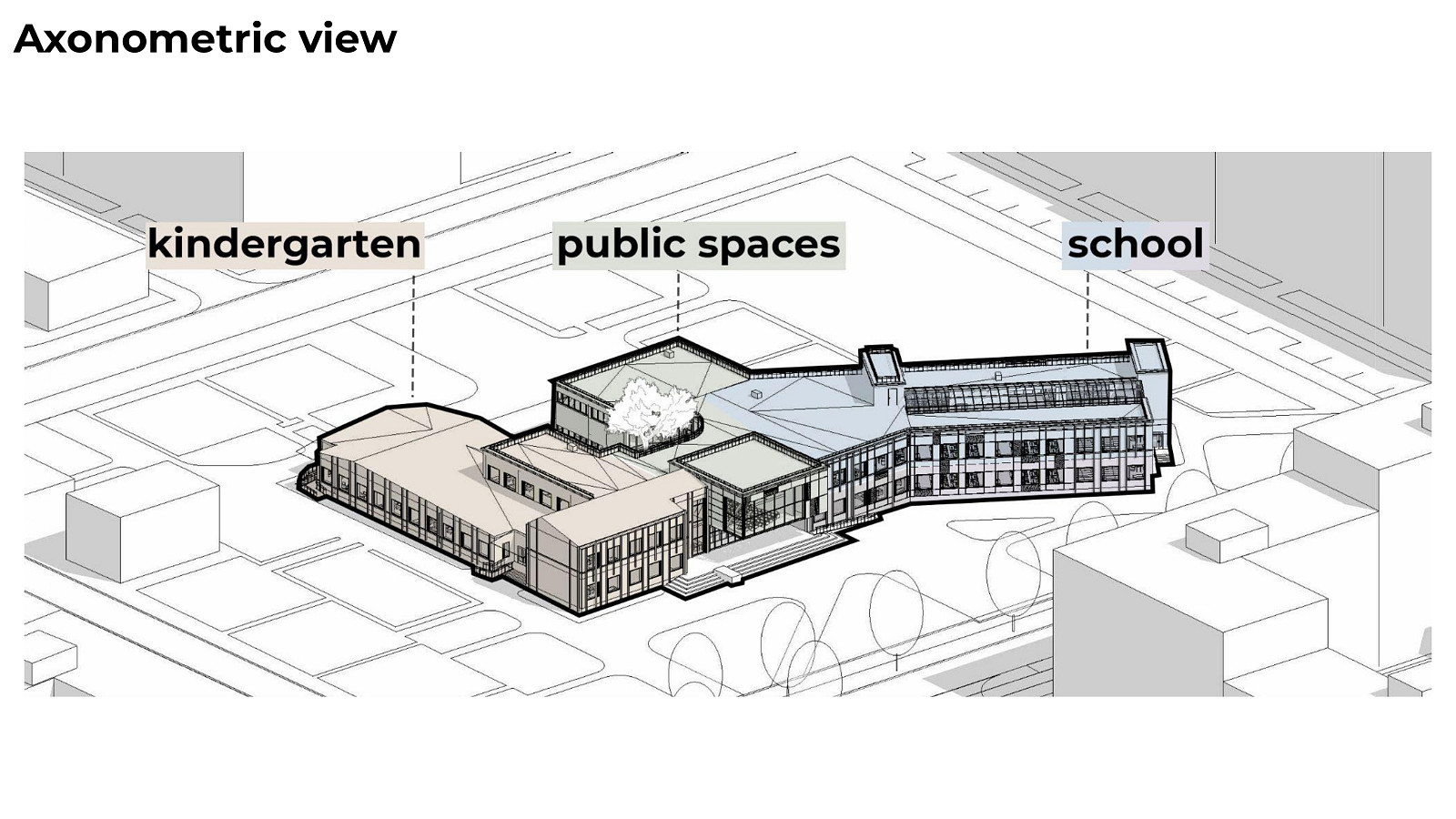
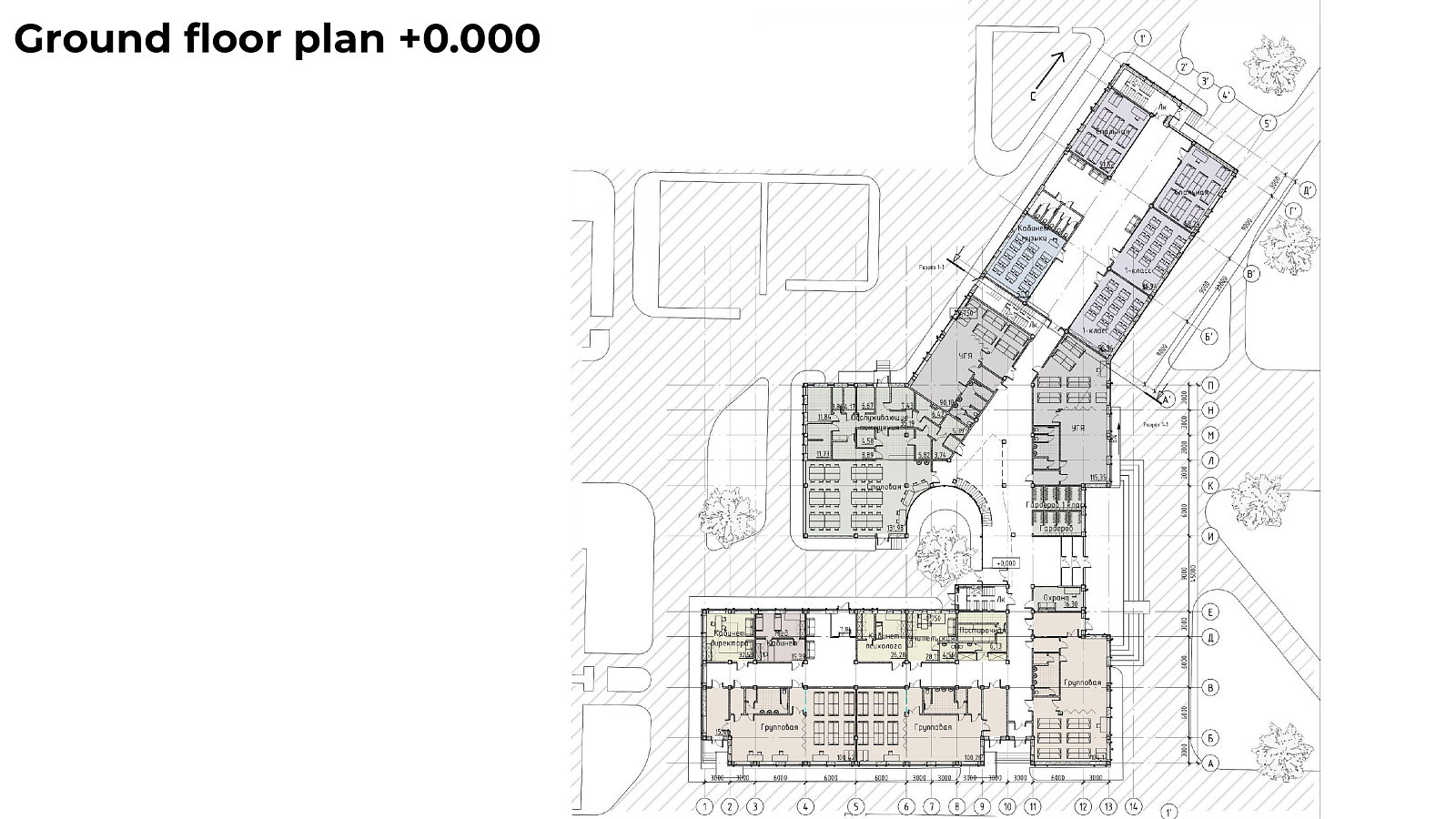
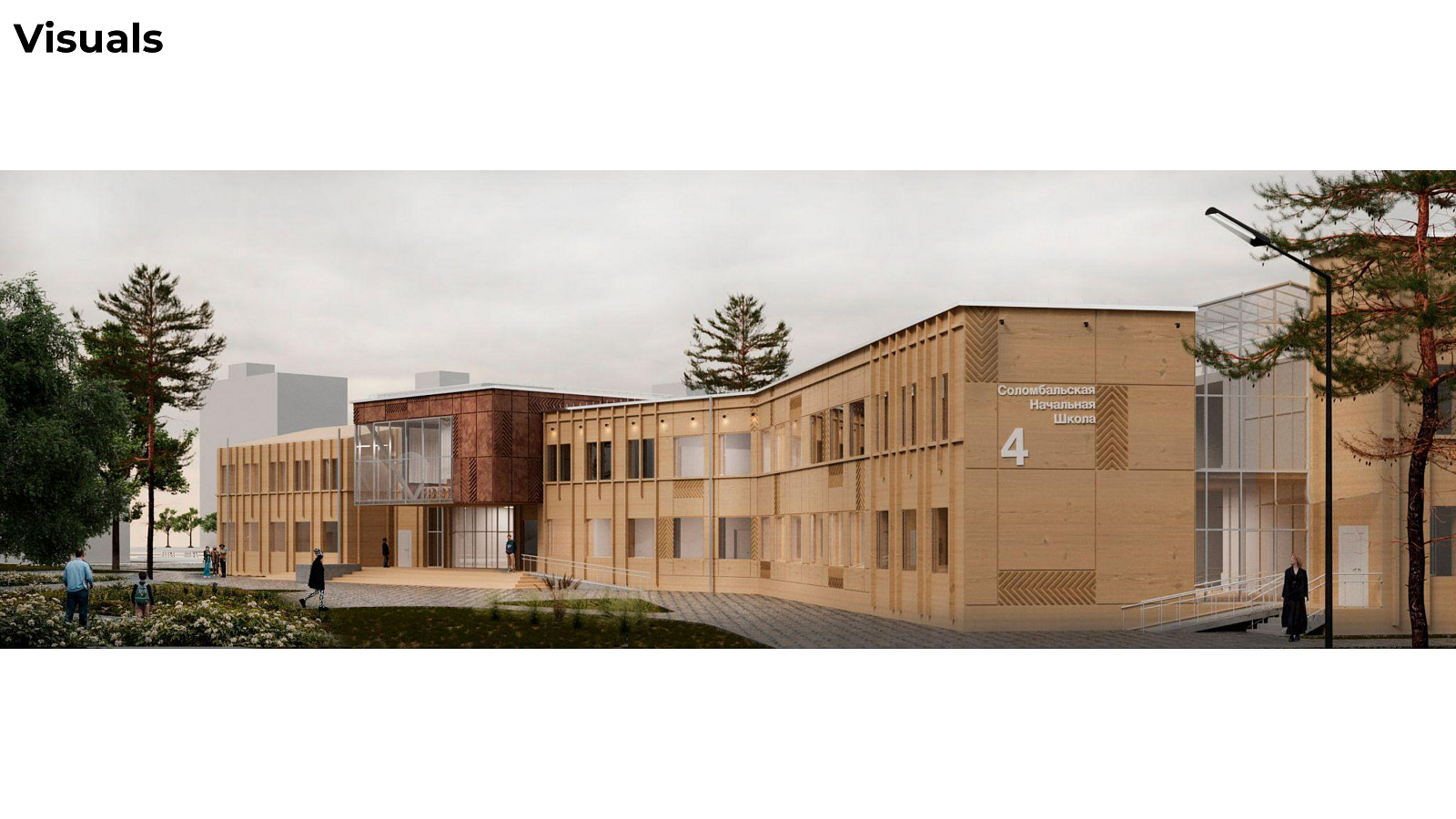
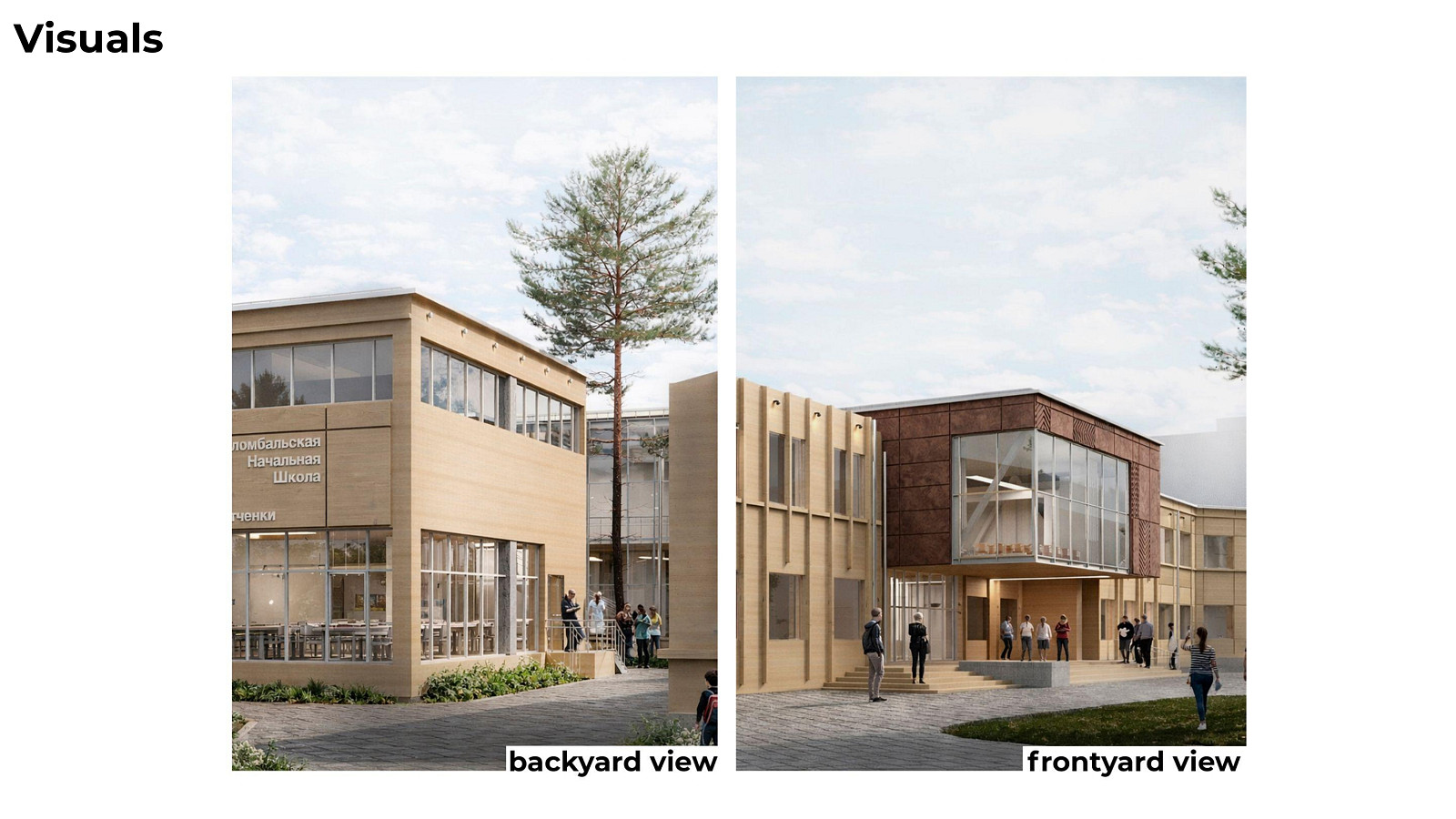
The main idea of the project is that the warm wooden modules of the school and kindergarten are connected by atriums, which contains all social activities. A central element is the glass console, visible from all the main pedestrian paths. It is designed to serve as a guiding beacon during blizzard or the polar night, not only for the schoolchildren but also for the residents of the district.
Technical information
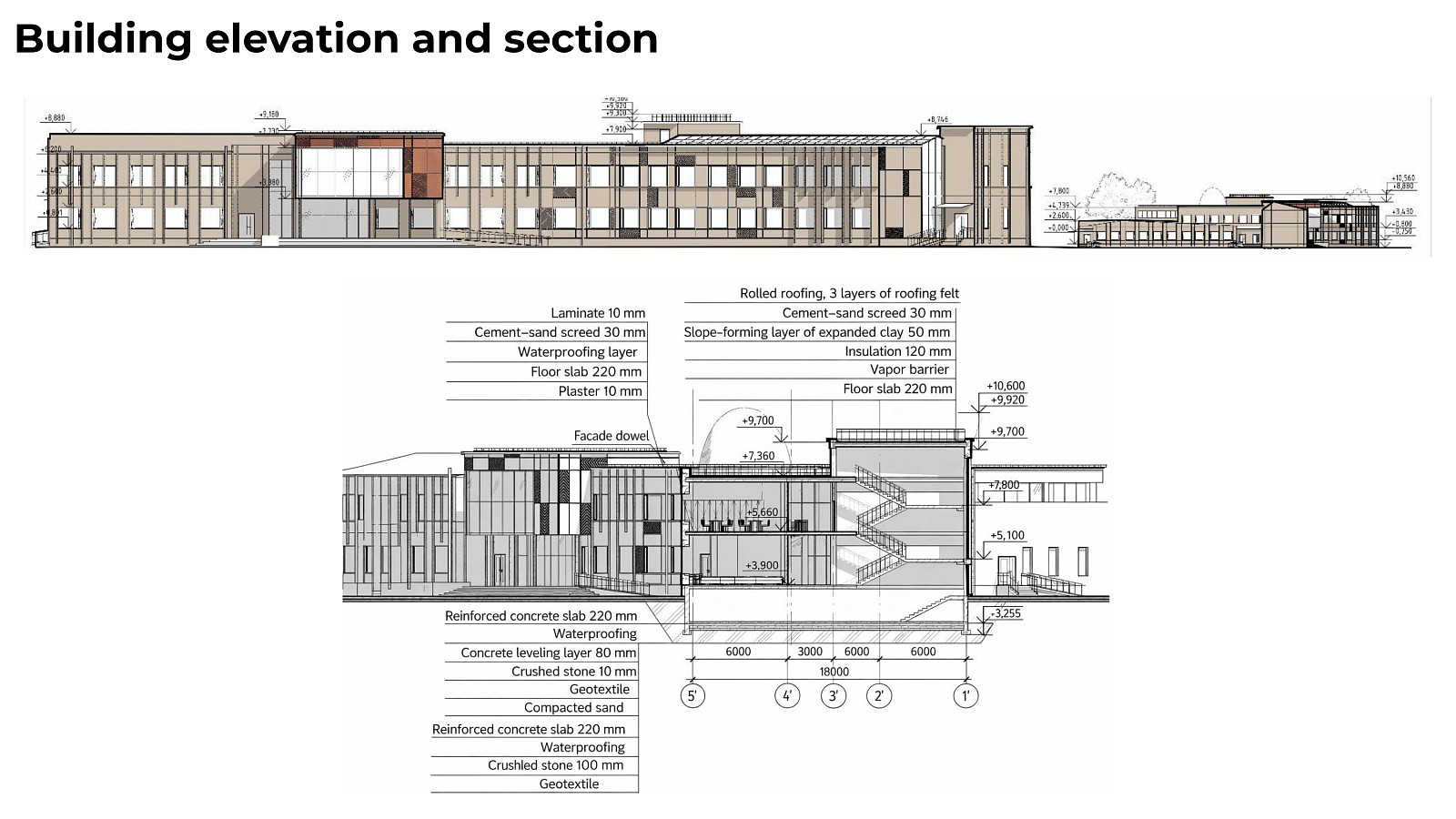
The construction of the building is made from processed wood. School contains different warm wooden modules that unites together. Atrium and other non-module structures is made from Light Gauge Steel Framing.

Copyright © 2026 INSPIRELI | All rights reserved. Use of this website signifies your agreement to the Terms of Use, Privacy Policy, and use of cookies.