Casa Fria


Project idea
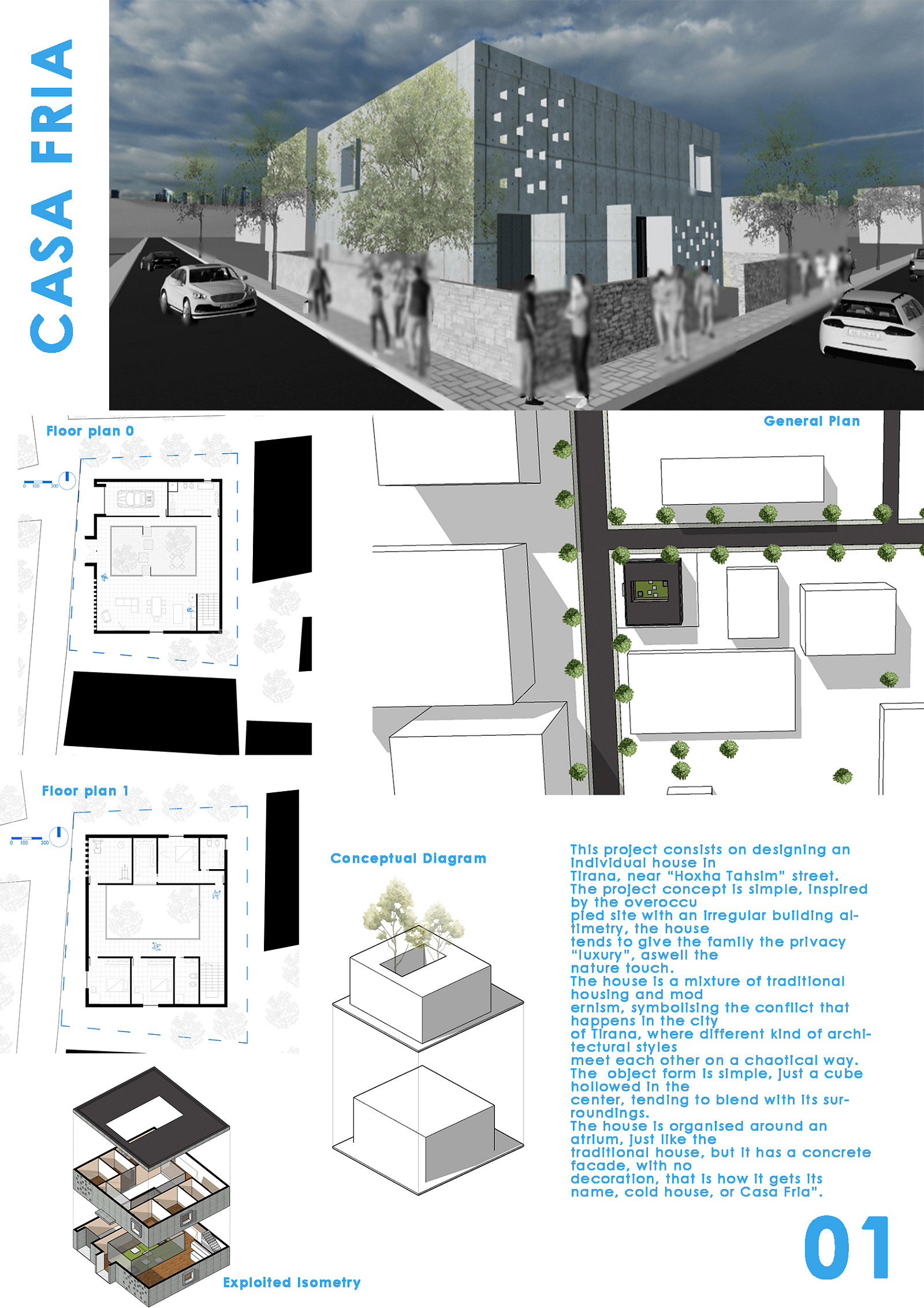
Casa Fria is an architectural response to the growing conflict between domestic privacy and urban density in contemporary Tirana. In a city defined by rapid growth, fragmented urban logic, and visual noise, the project proposes an alternative residential model that withdraws from its surroundings in order to create a meaningful interior world.
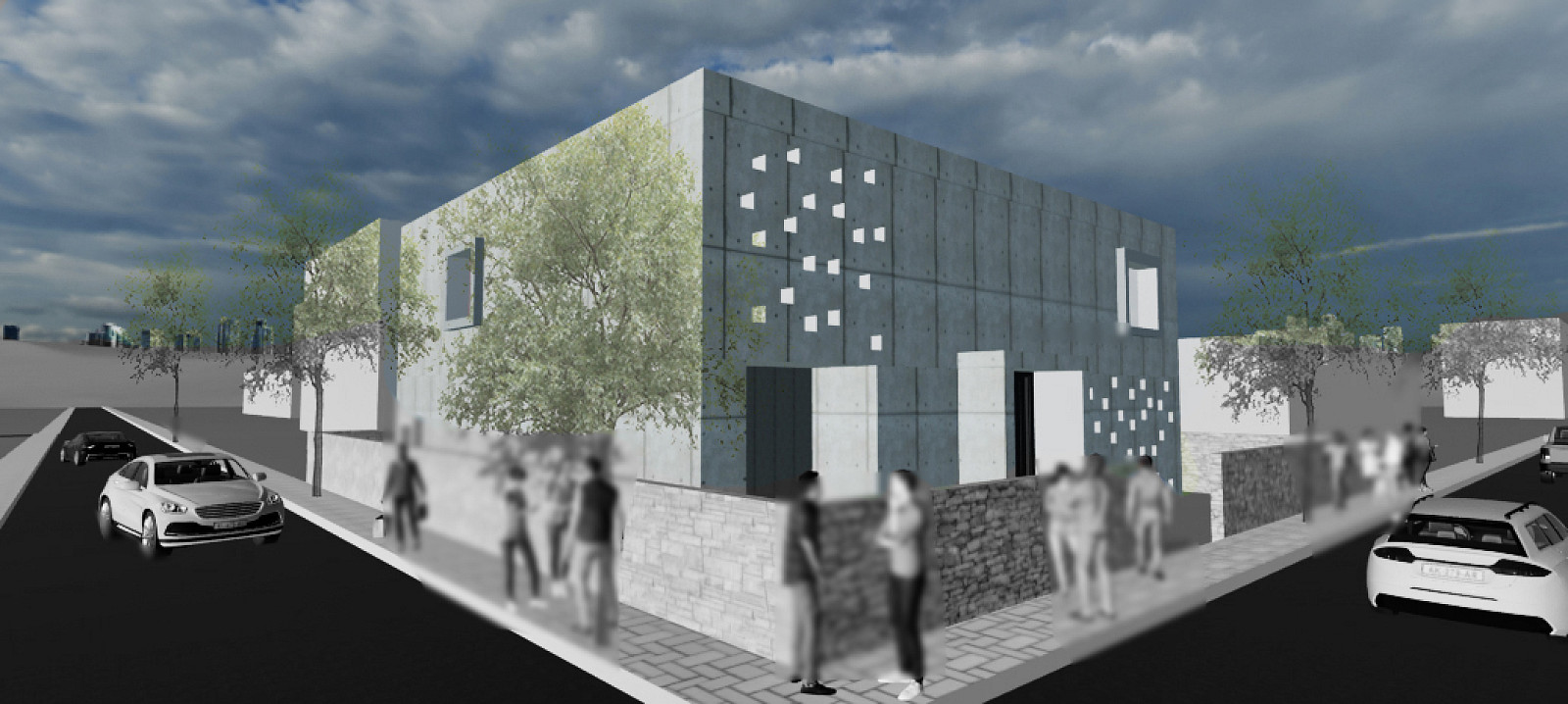
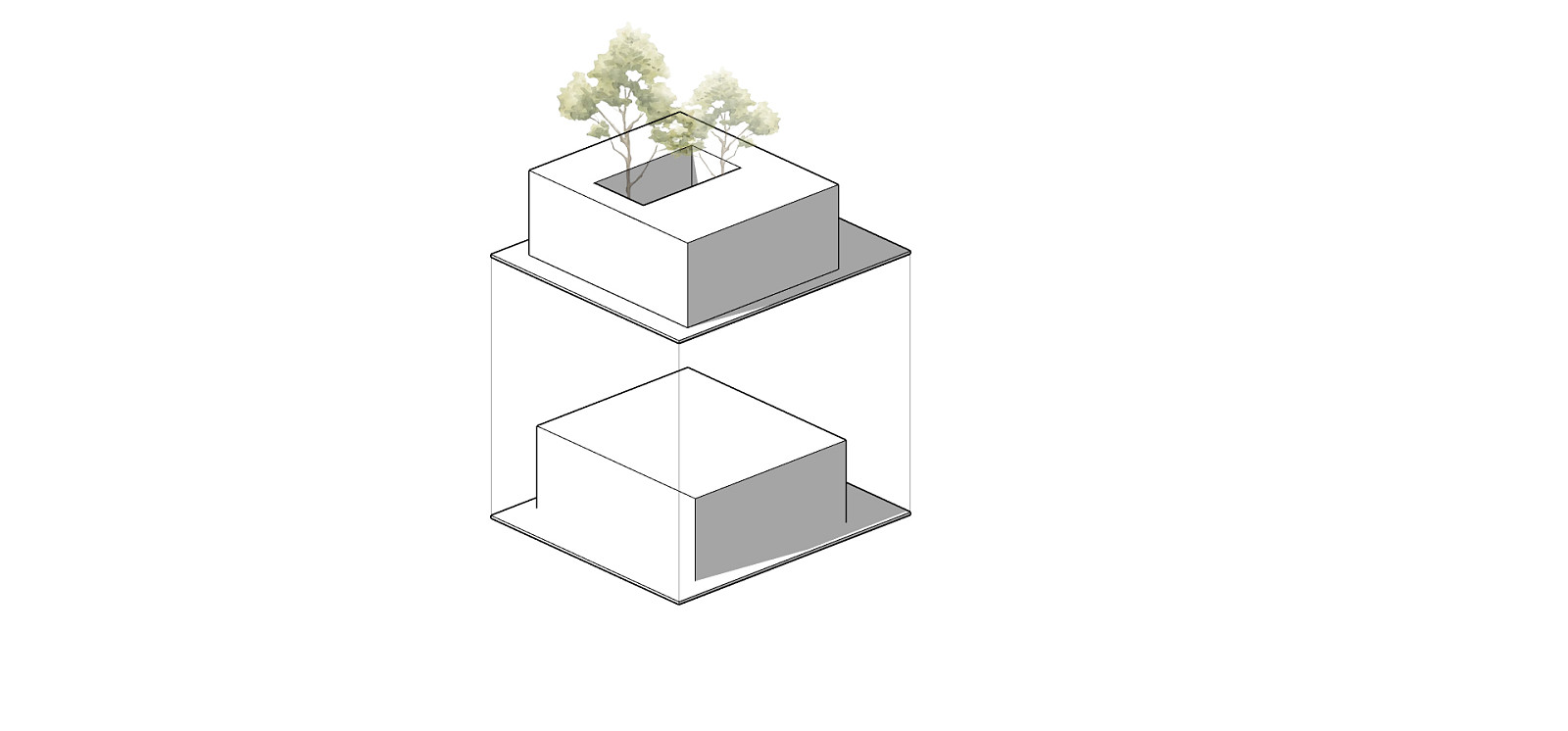
Rather than negotiating with the street through openness and transparency, the house adopts an introverted strategy. A solid, almost monolithic outer shell protects the domestic realm from the pressures of the city, while a carved internal void becomes the true center of life. This inversion challenges conventional suburban openness and repositions the home as a protected, inward-looking sanctuary.
The project is based on a clear duality: a cold, restrained exterior versus a warm, inhabitable interior. Casa Fria does not reject its context, but absorbs it—transforming urban tension into spatial calm through architecture.
Project description
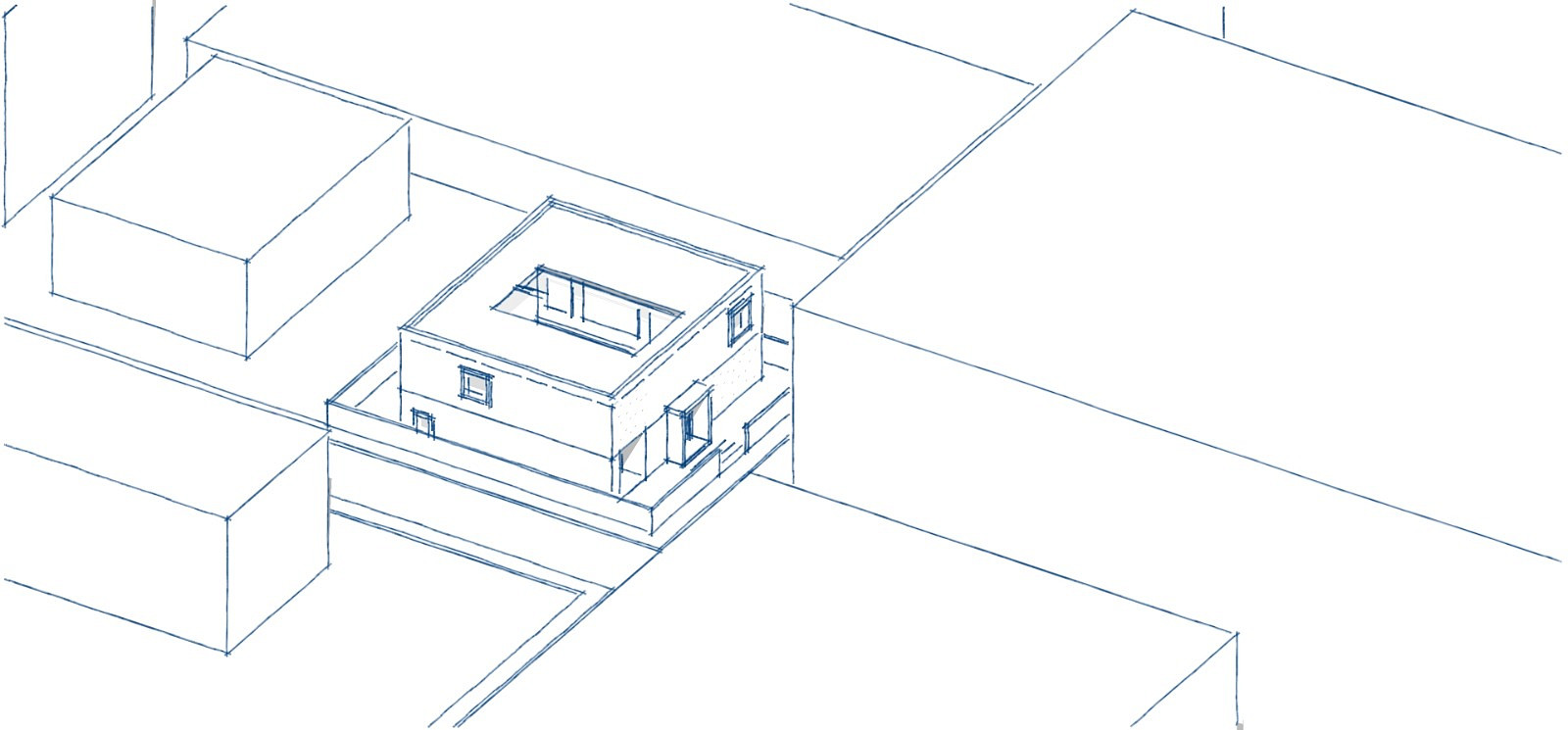
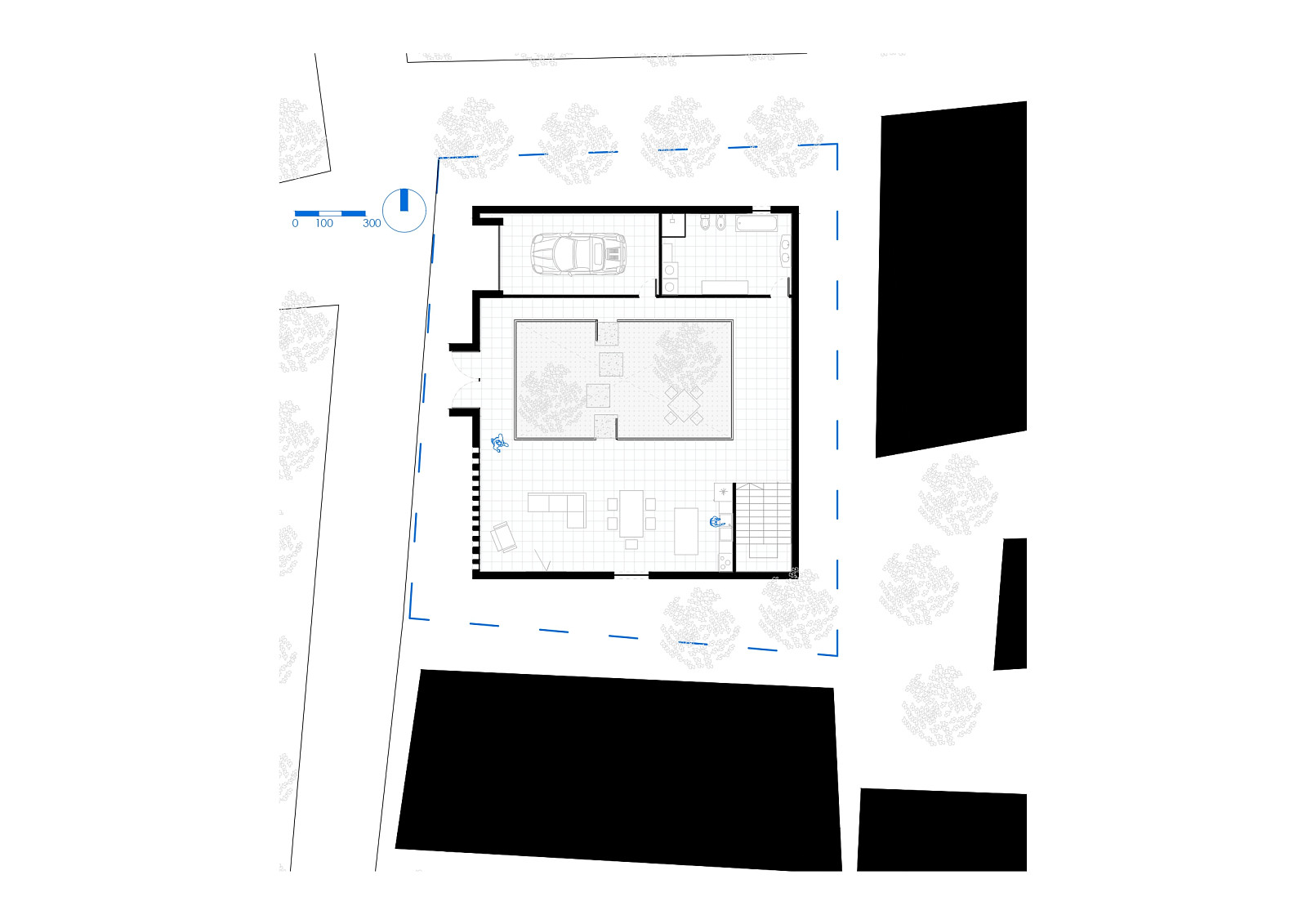
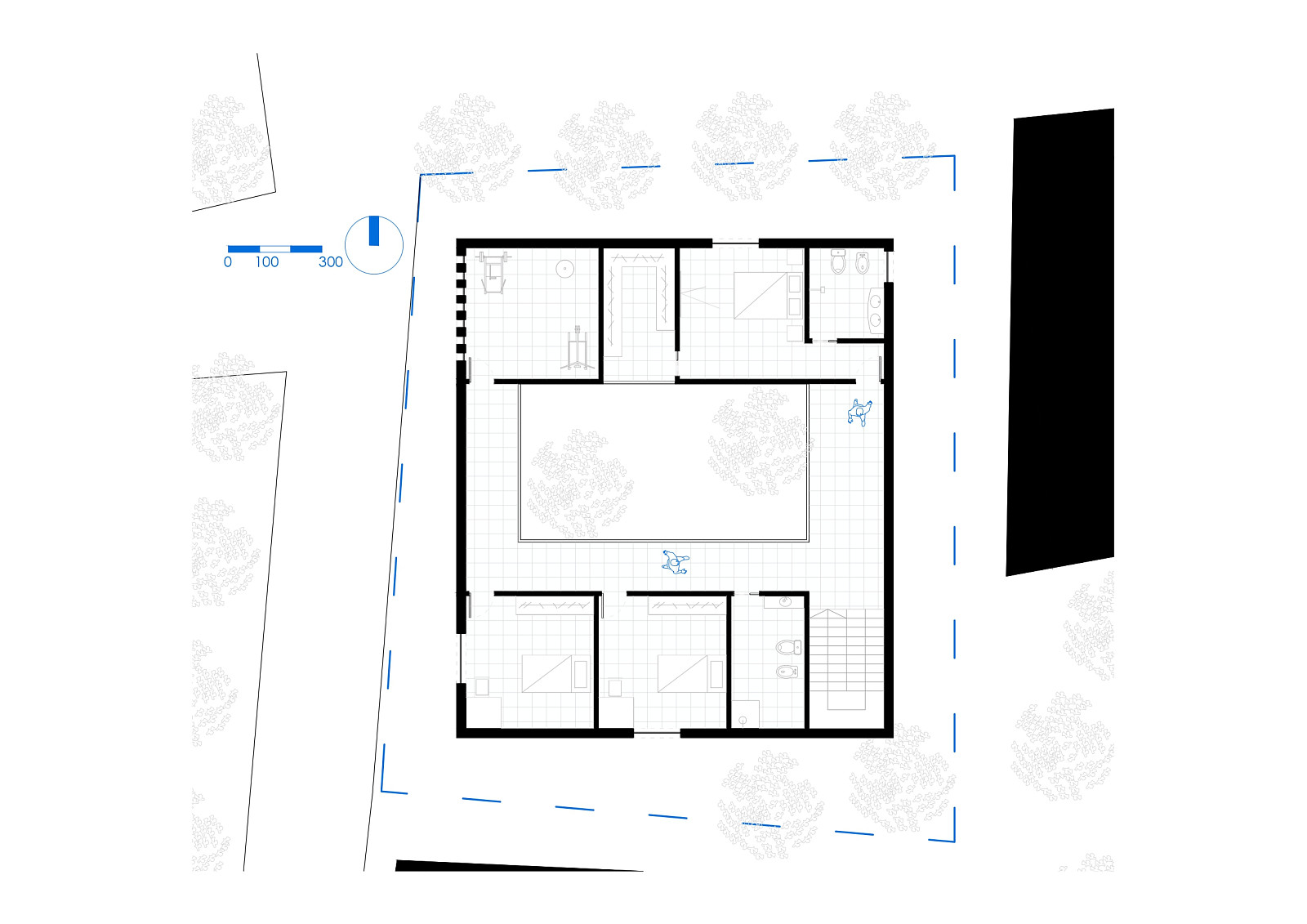
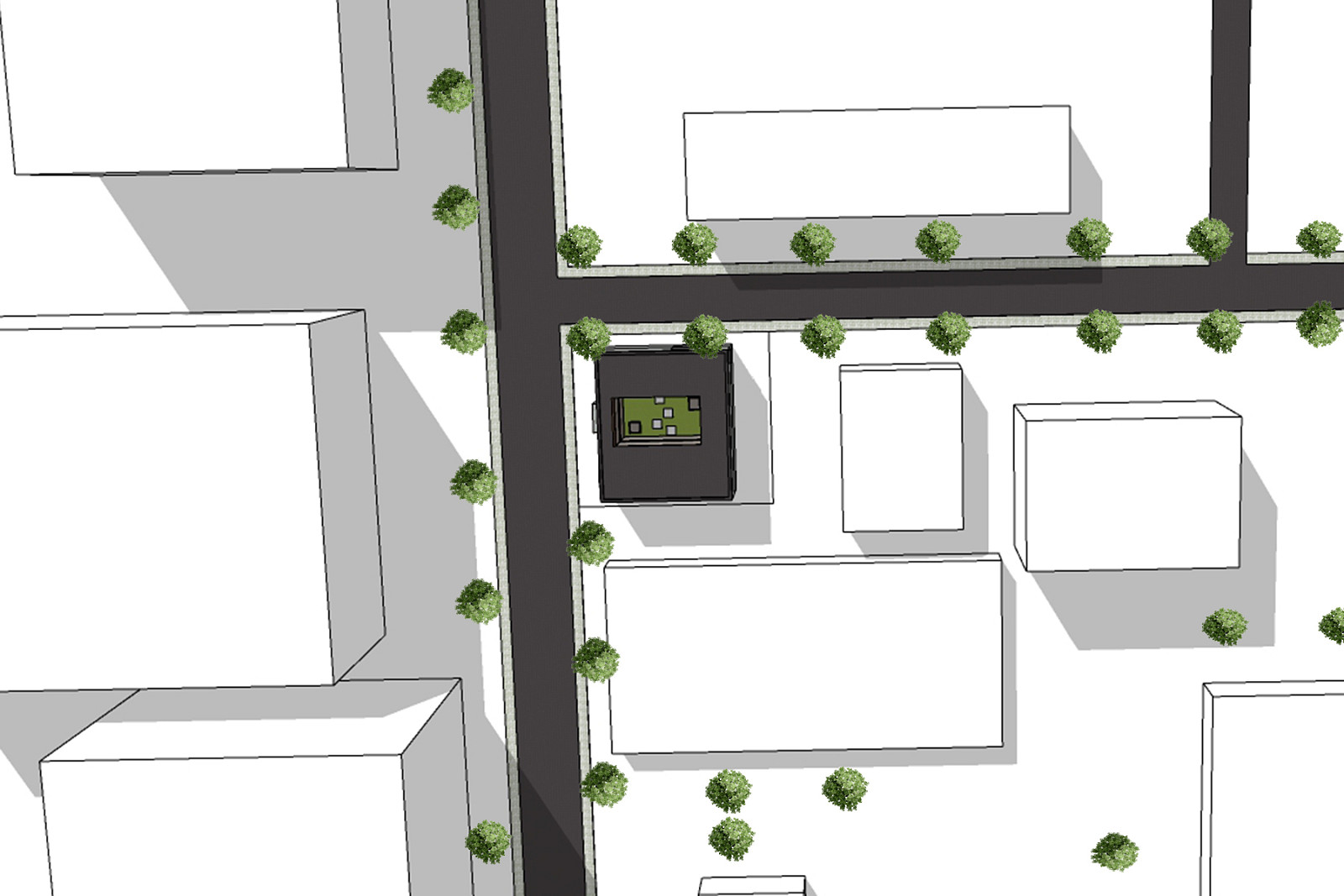
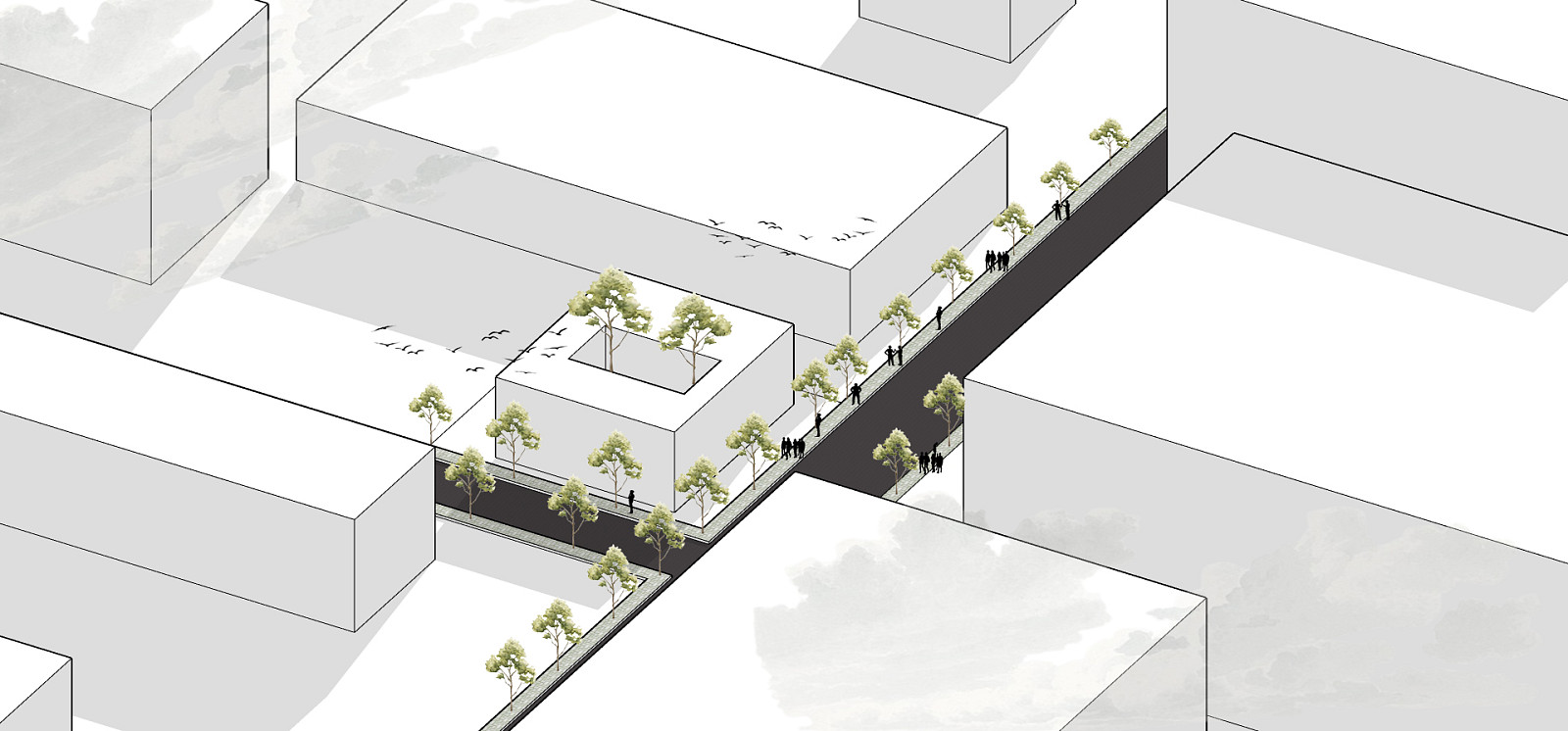
Located near Hoxha Tahsim Street in Tirana, Casa Fria occupies a constrained urban plot surrounded by heterogeneous buildings and limited public space. The house is conceived as a compact cubic volume, hollowed at its center to form a vertical atrium that organizes space, climate, and movement.
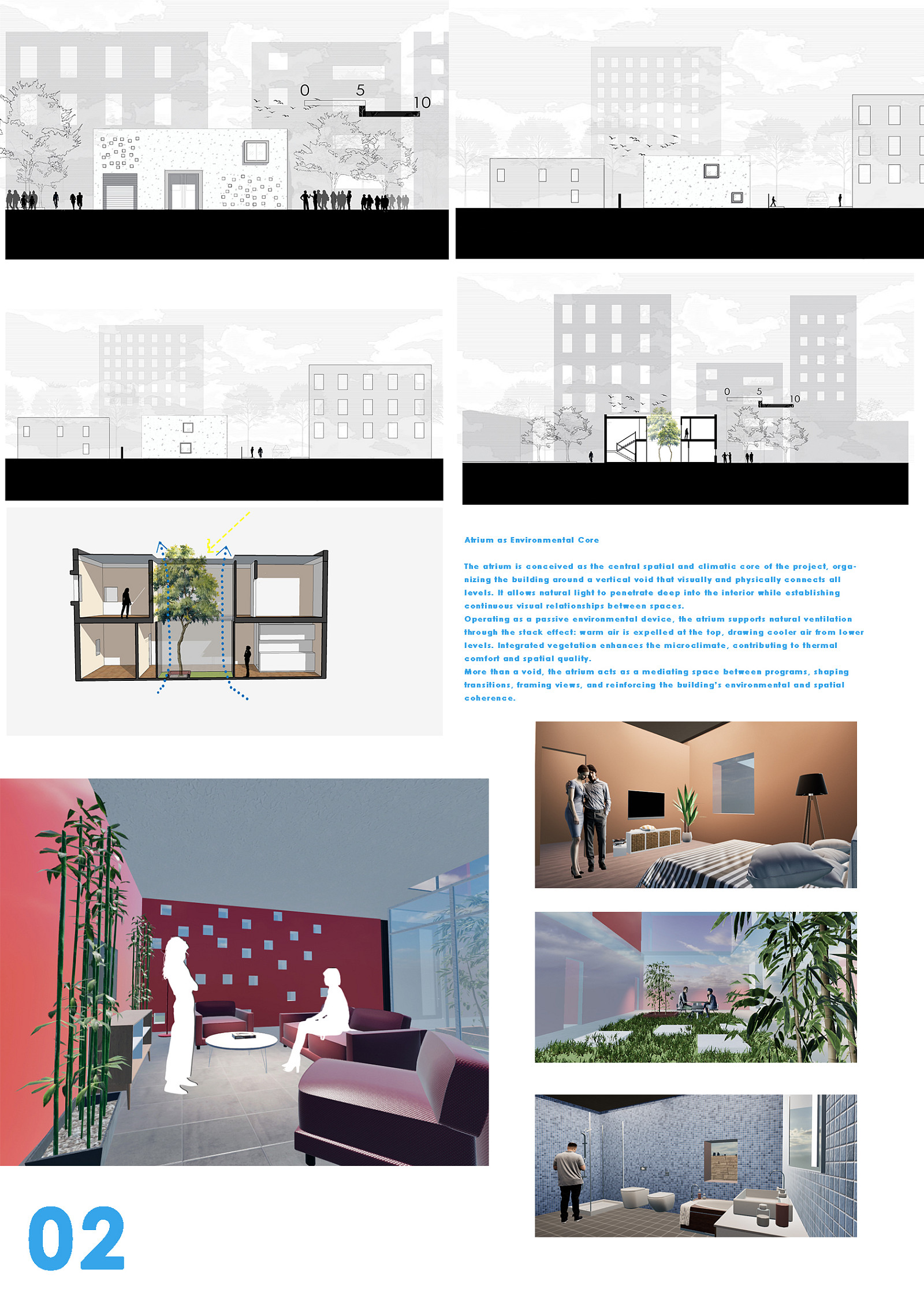
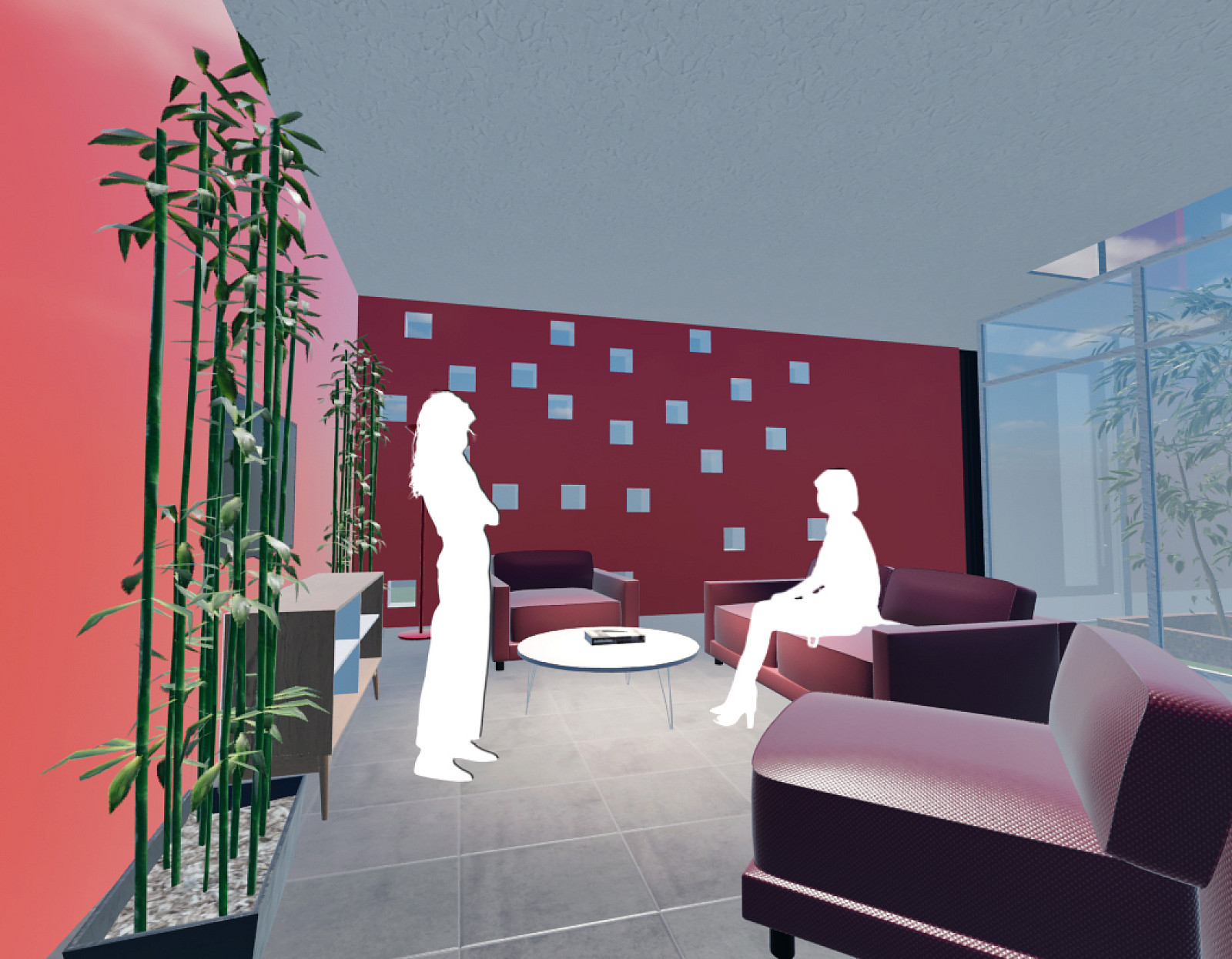
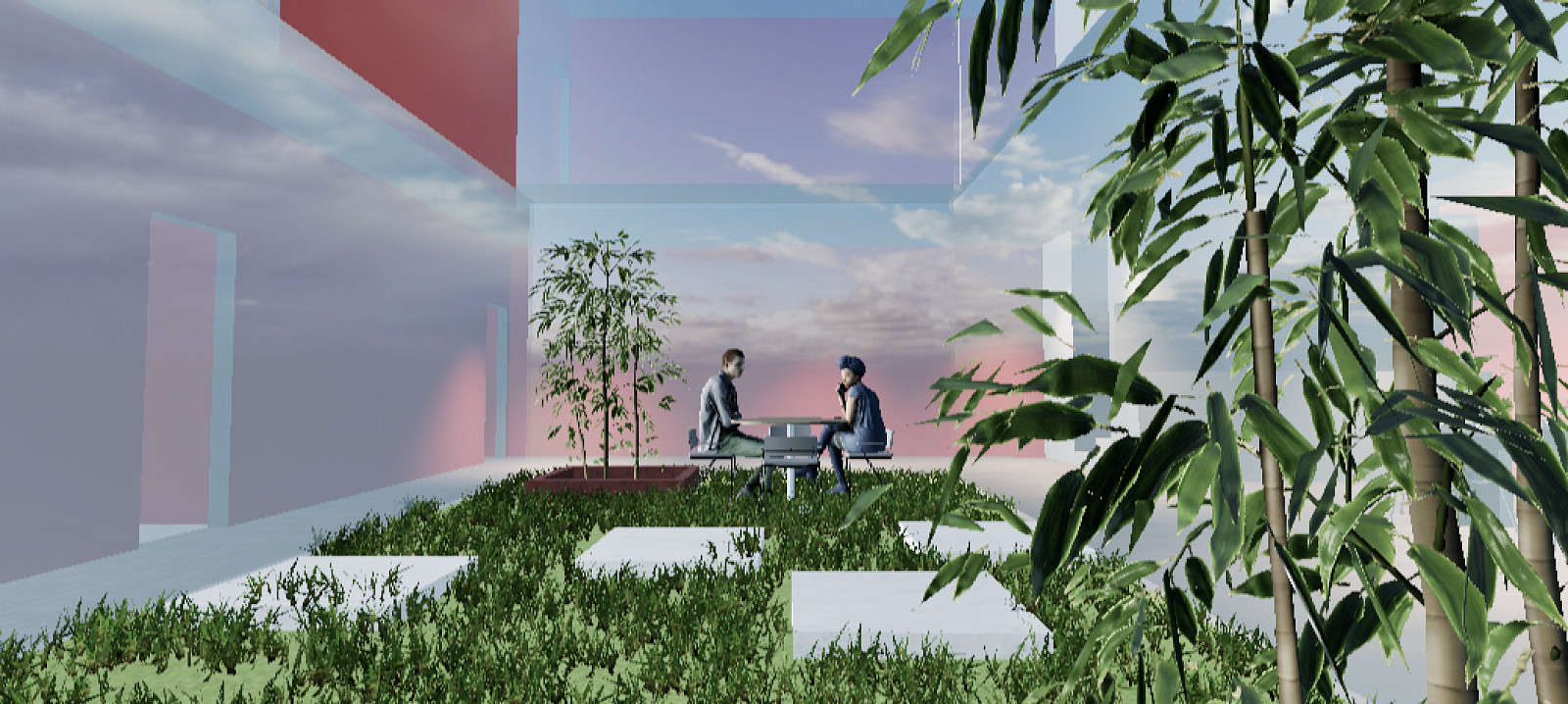
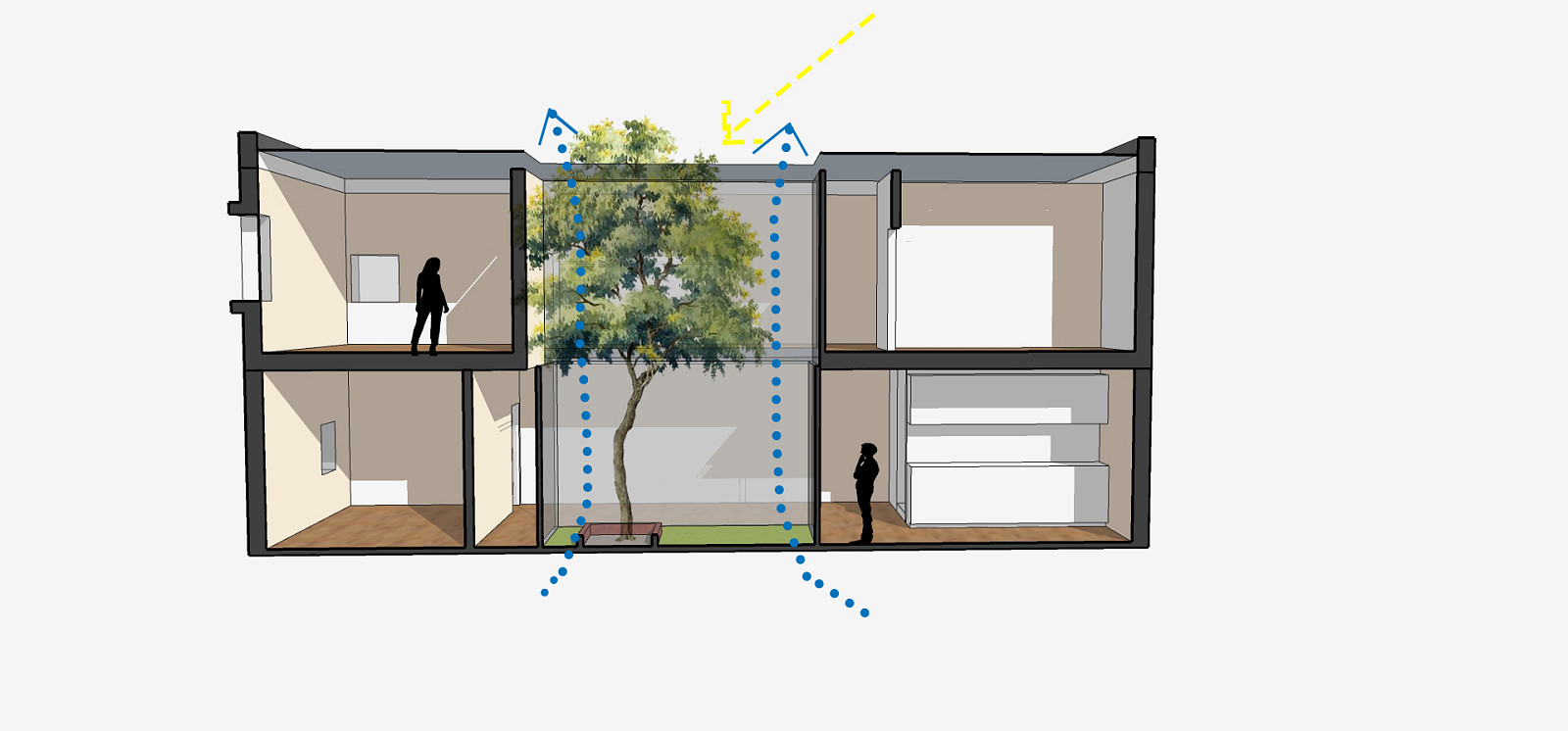
The atrium functions as the spatial heart of the house, establishing visual continuity between all levels while maintaining complete privacy from the street. It allows natural light to penetrate deep into the interior, transforming enclosed rooms into spaces that remain connected to daylight, vegetation, and seasonal change. Circulation unfolds along the atrium, turning daily movement into a sequence of framed views and shifting perspectives.
Beyond its spatial role, the atrium operates as an environmental engine. Acting as a passive climatic system, it enables natural ventilation through the stack effect: warm air rises and escapes at roof level, while cooler air is drawn in from lower openings. Integrated vegetation contributes to thermal regulation, air quality, and the creation of a microclimate at the center of the house.
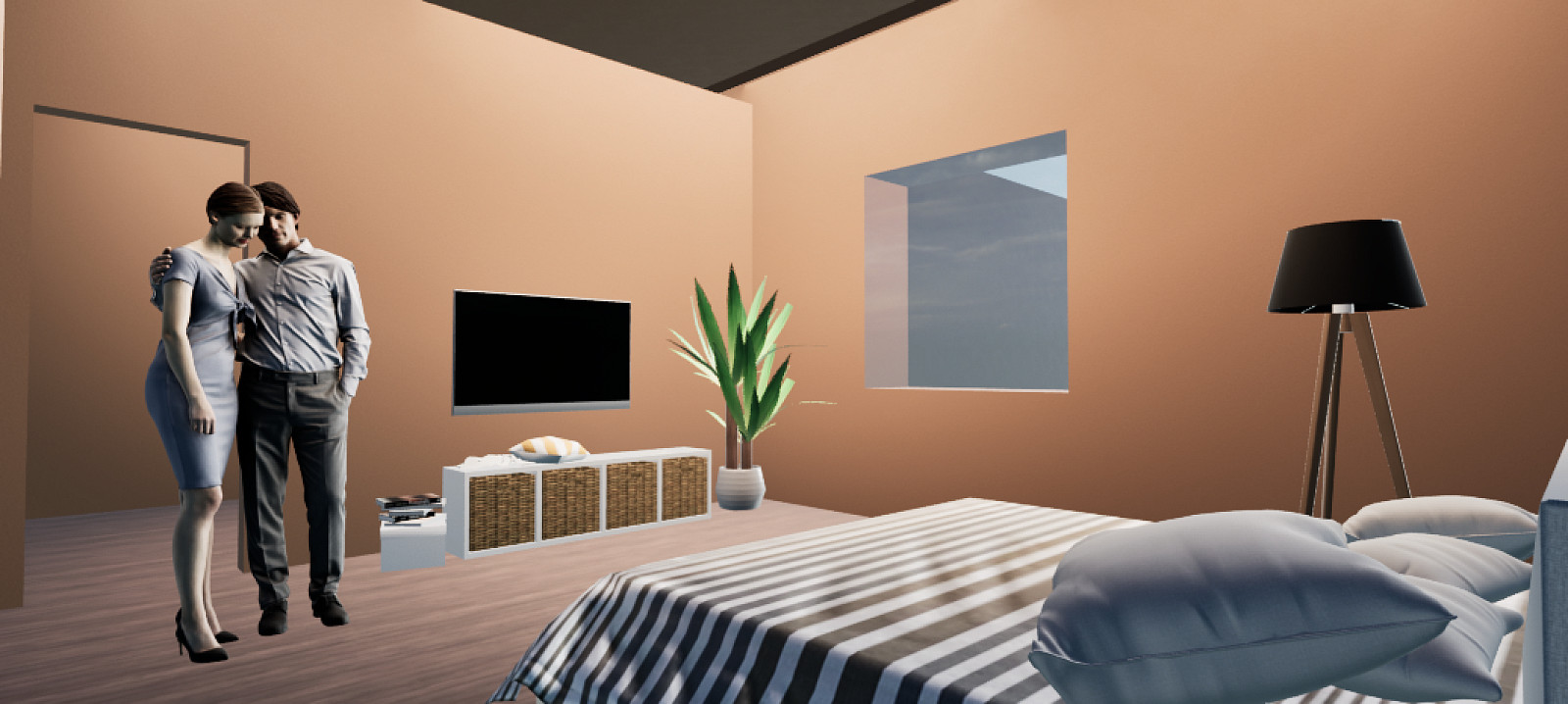
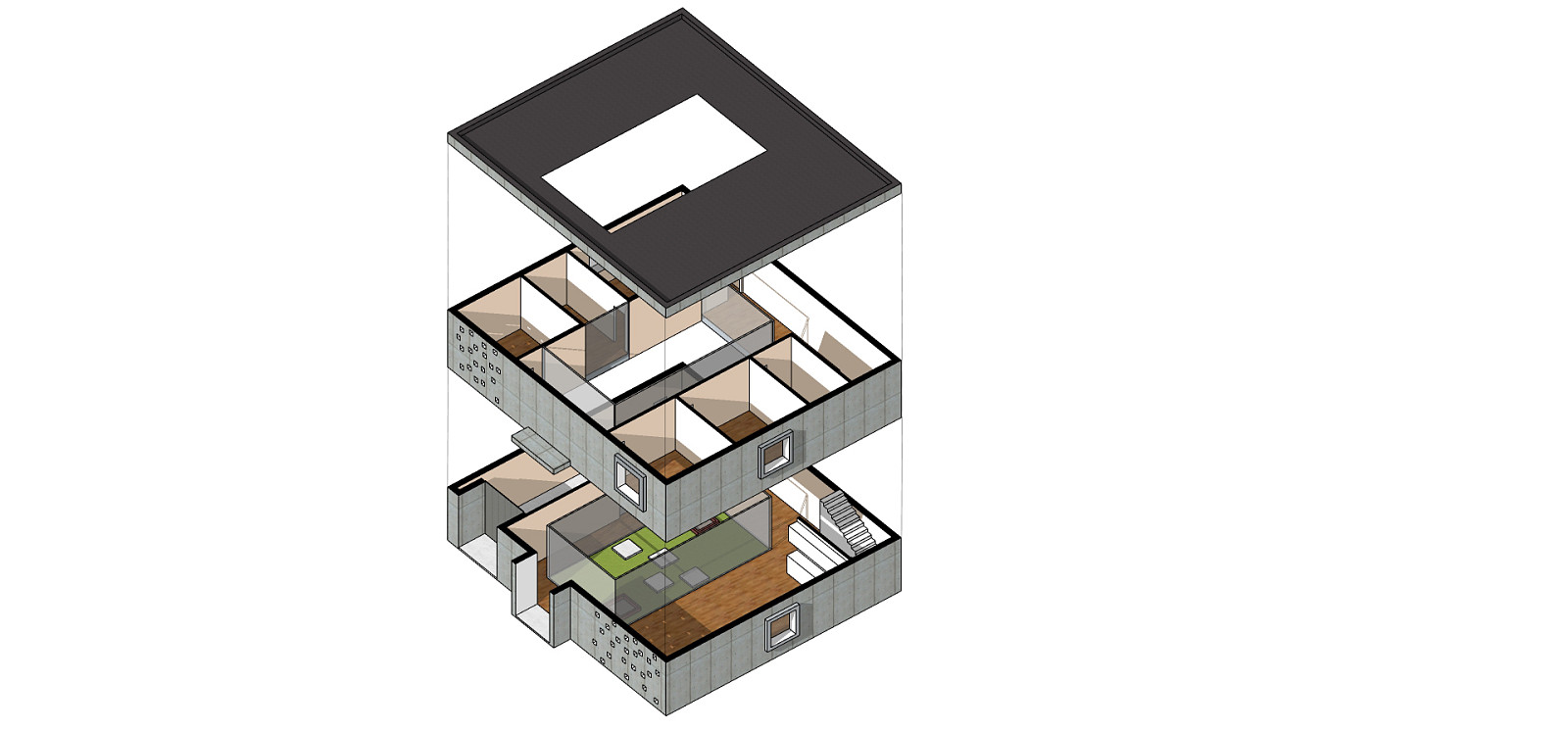
The program is organized in concentric layers around this void. Public and collective spaces occupy the ground level, fostering interaction around the atrium, while private functions are positioned on the upper floor, benefiting from filtered light and controlled inward views. The absence of large external openings reinforces privacy and focuses attention inward, strengthening the relationship between architecture and domestic life.
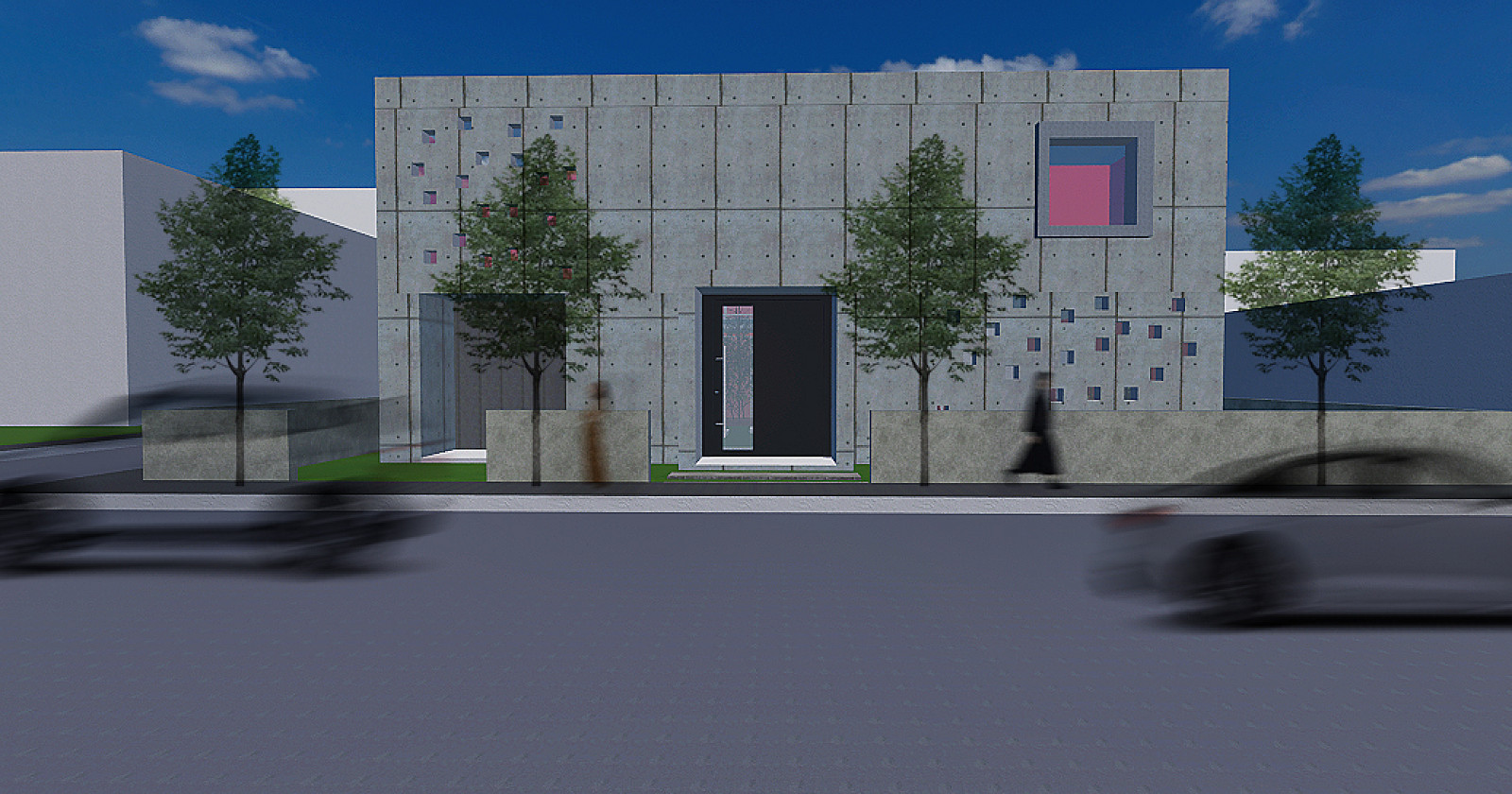
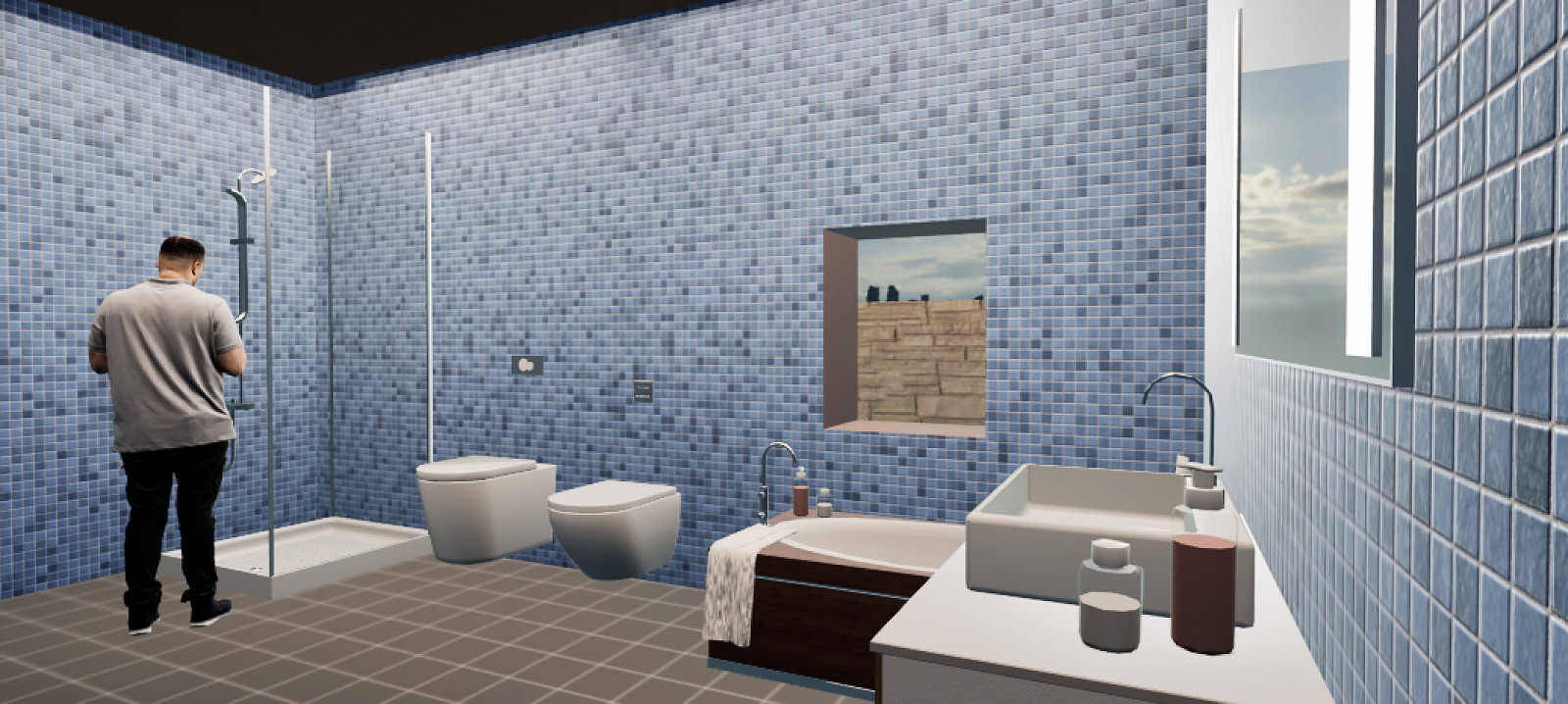
Materiality reinforces the conceptual contrast. The exterior is defined by exposed concrete and minimal perforations, producing a silent and almost defensive urban presence. Inside, warmer materials, greenery, and softer light define a more intimate atmosphere. This contrast gives the project its name—Casa Fria—a cold house on the outside, a living core within.
Technical information
Project Type
Individual Residential House
Location
Tirana, Albania
Urban Context
Dense and heterogeneous urban fabric with limited privacy and visual coherence
Architectural Strategy
Introverted cubic volume organized around a central atrium
Program Distribution
Ground Floor: Living area, dining space, kitchen, service functions
First Floor: Bedrooms, bathrooms, private living spaces
Atrium: Vertical circulation, daylight core, vegetation, environmental control
Structural System
Reinforced concrete frame with concrete slabs
Facade Treatment
Exposed concrete envelope with controlled perforations for indirect light and ventilation
Environmental Strategies
Central atrium enabling passive ventilation (stack effect)
Controlled daylight penetration through internal void
Reduced external openings to minimize noise and heat gain
Vegetation integrated to improve microclimate and indoor comfort
Circulation Concept
Circulation wrapped around the atrium, reinforcing spatial continuity and visual connection
Design Intent
To create a private, climatically responsive domestic environment within a dense urban condition through architectural restraint and spatial clarity.

Copyright © 2026 INSPIRELI | All rights reserved. Use of this website signifies your agreement to the Terms of Use, Privacy Policy, and use of cookies.