Tanjunng Piai's Mangrove Living Museum


Project idea
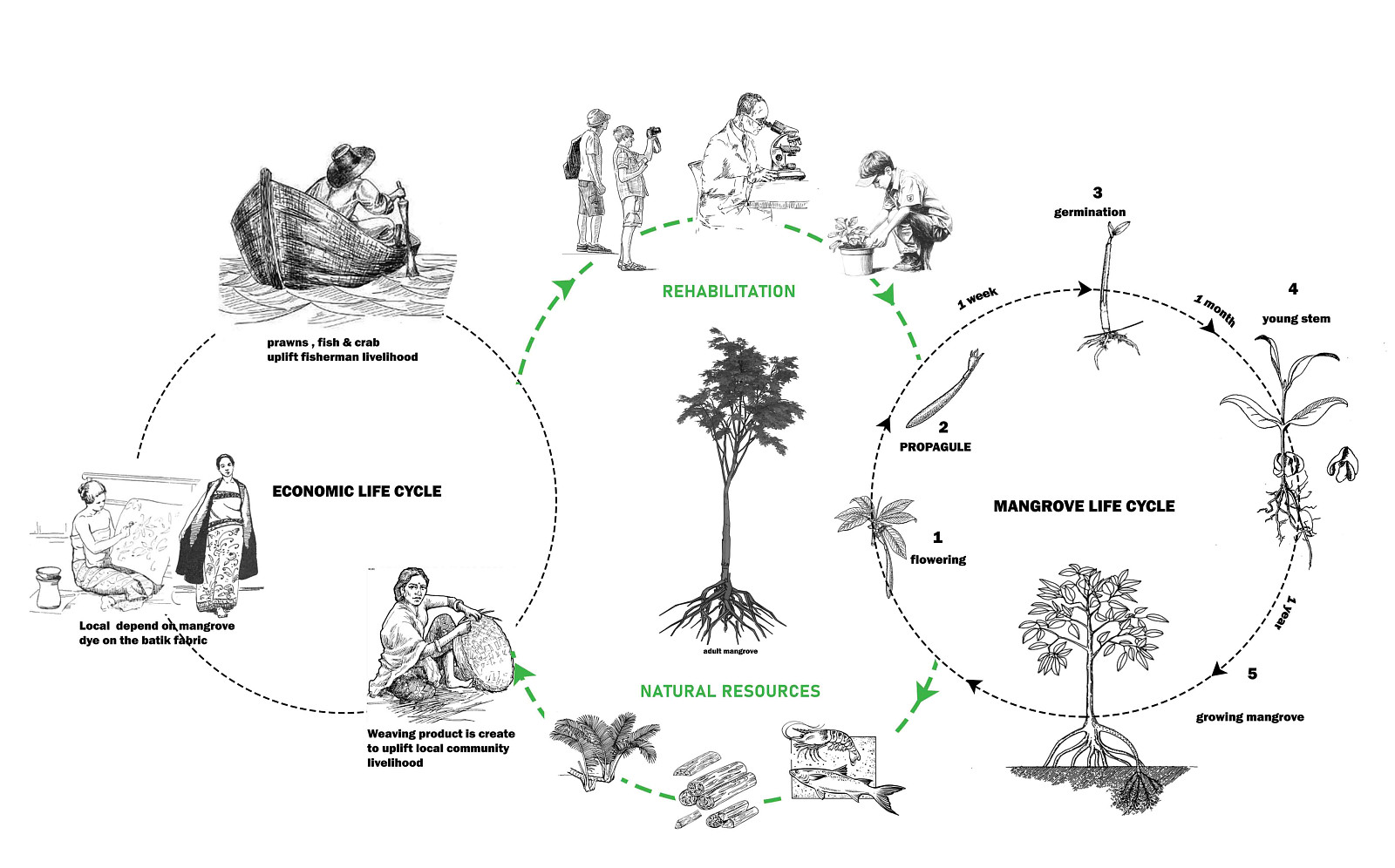
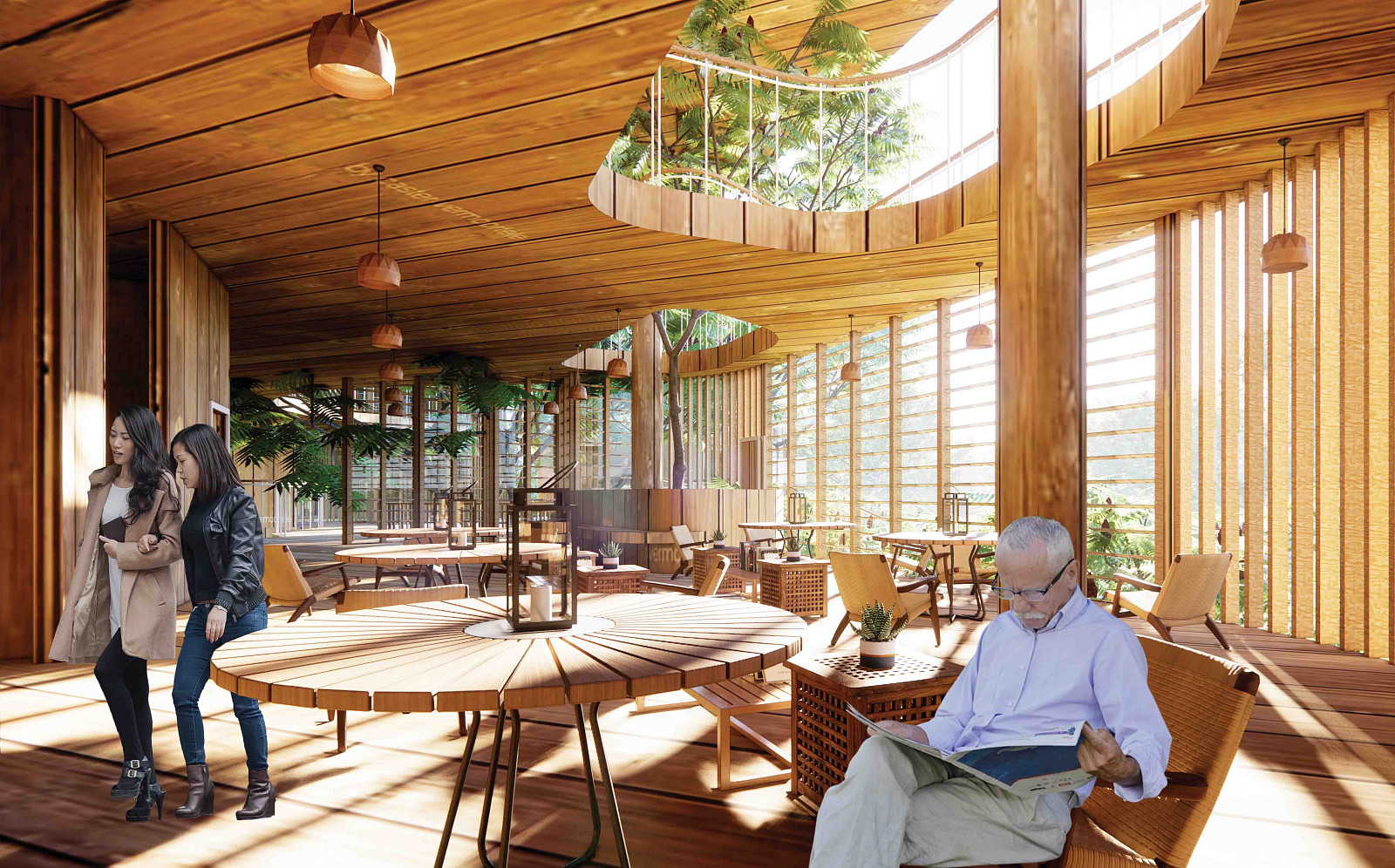
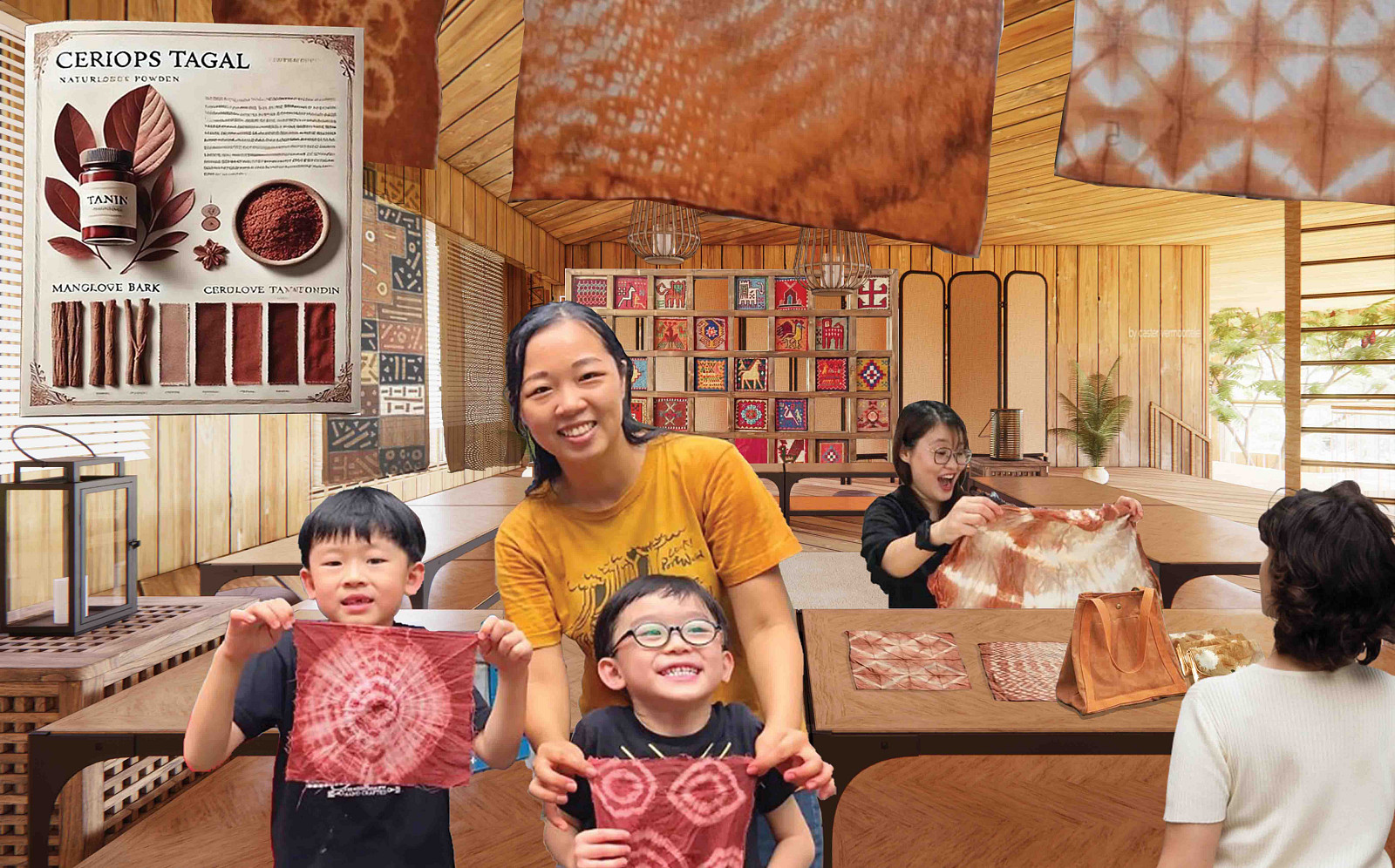
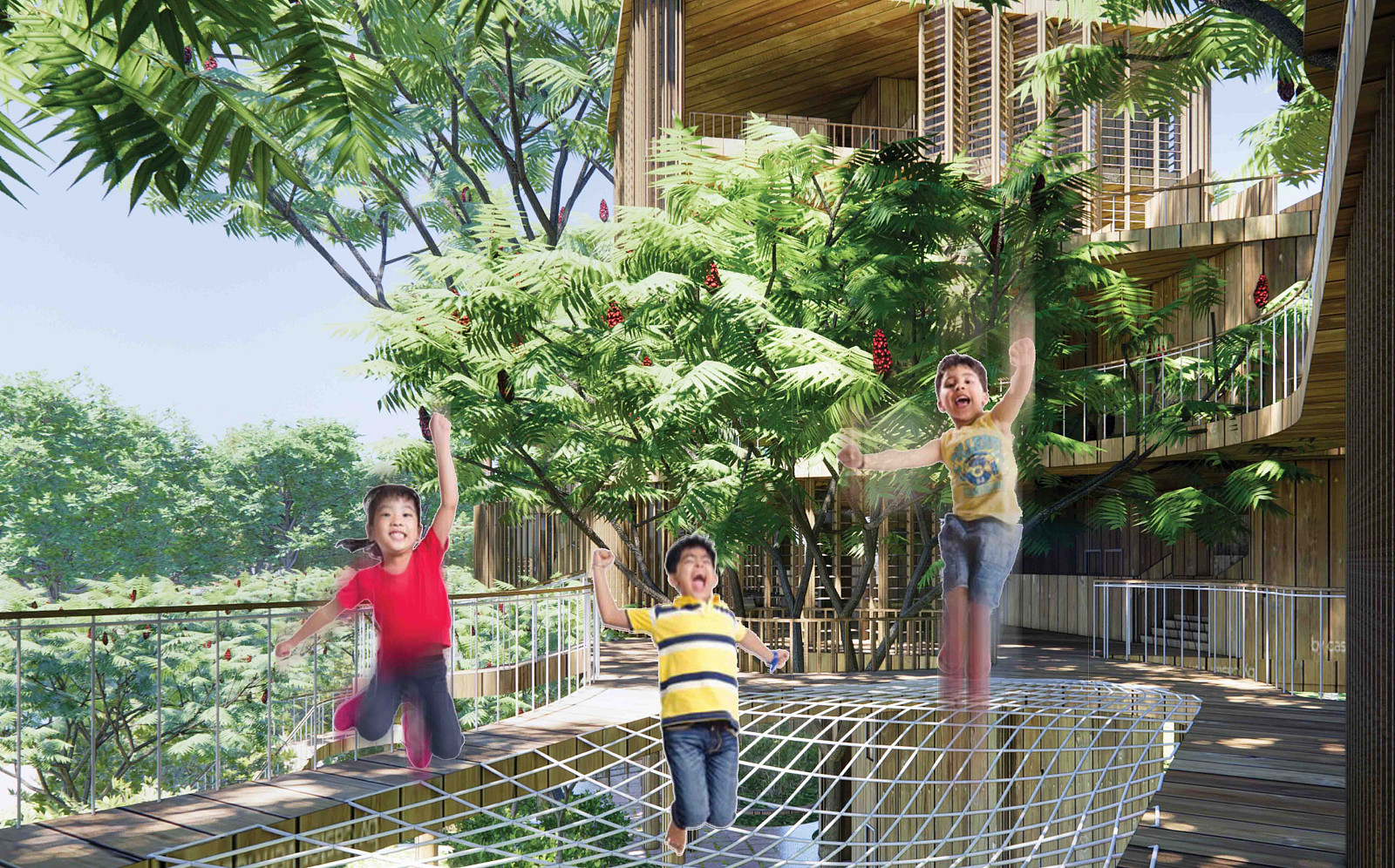
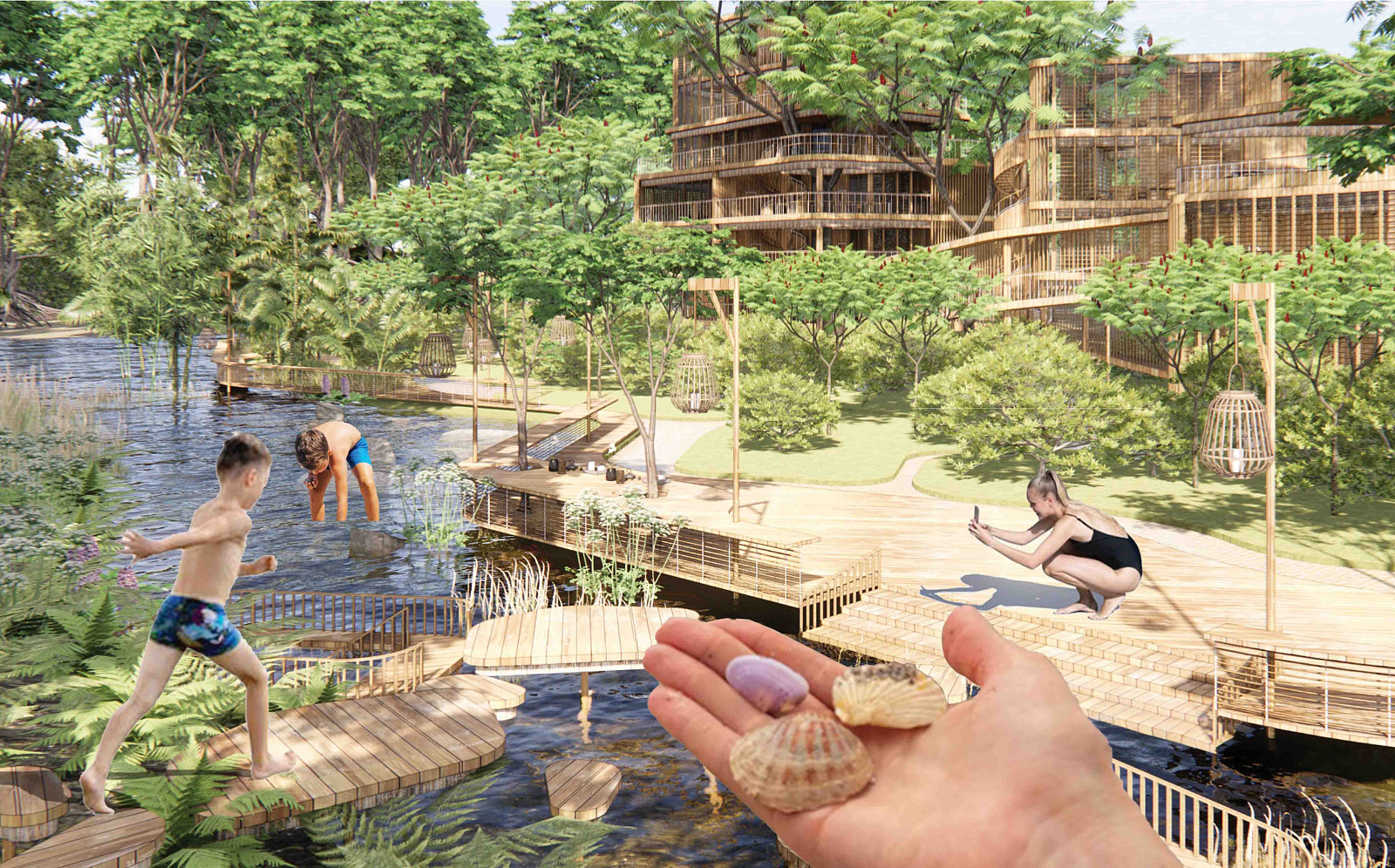
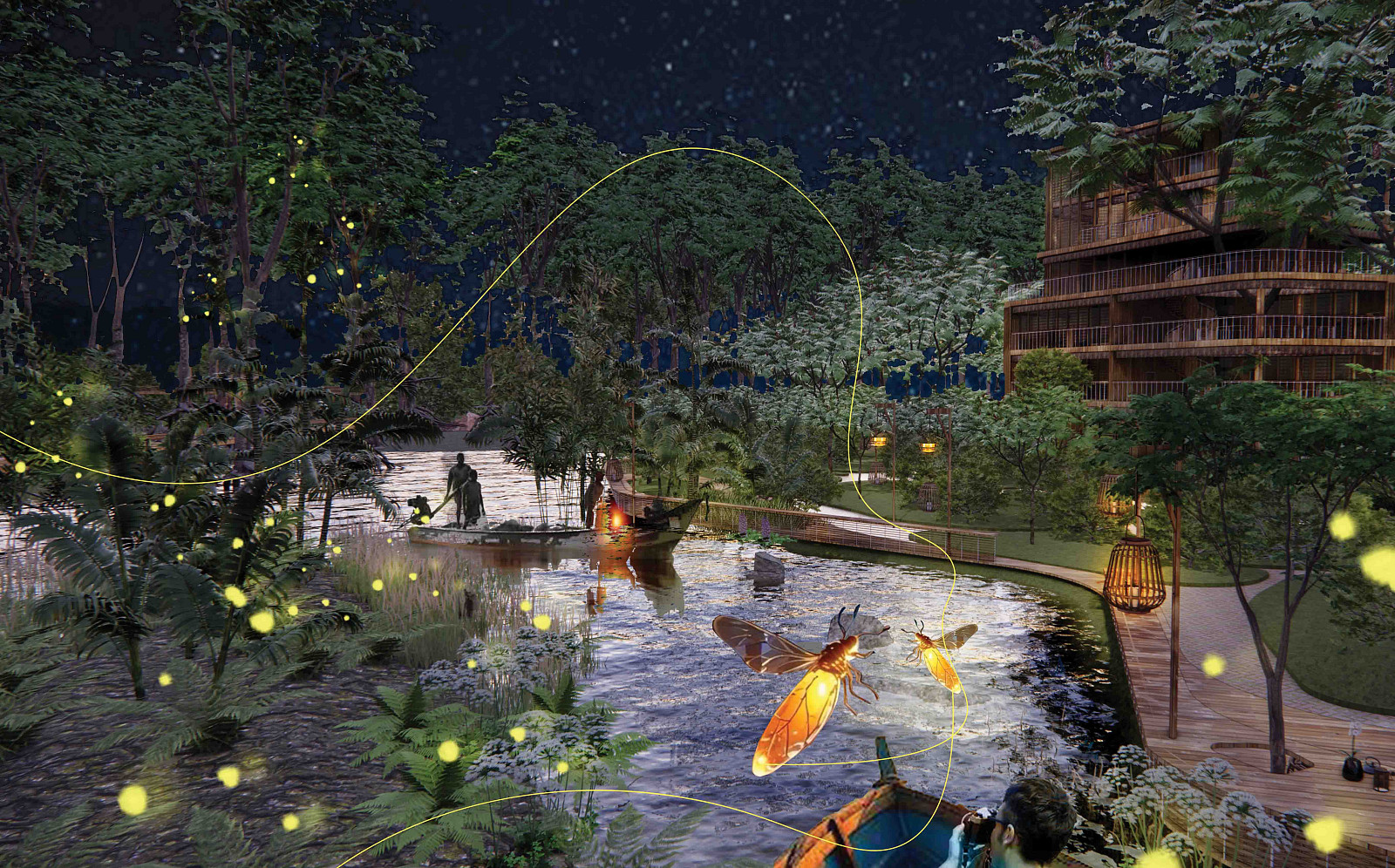
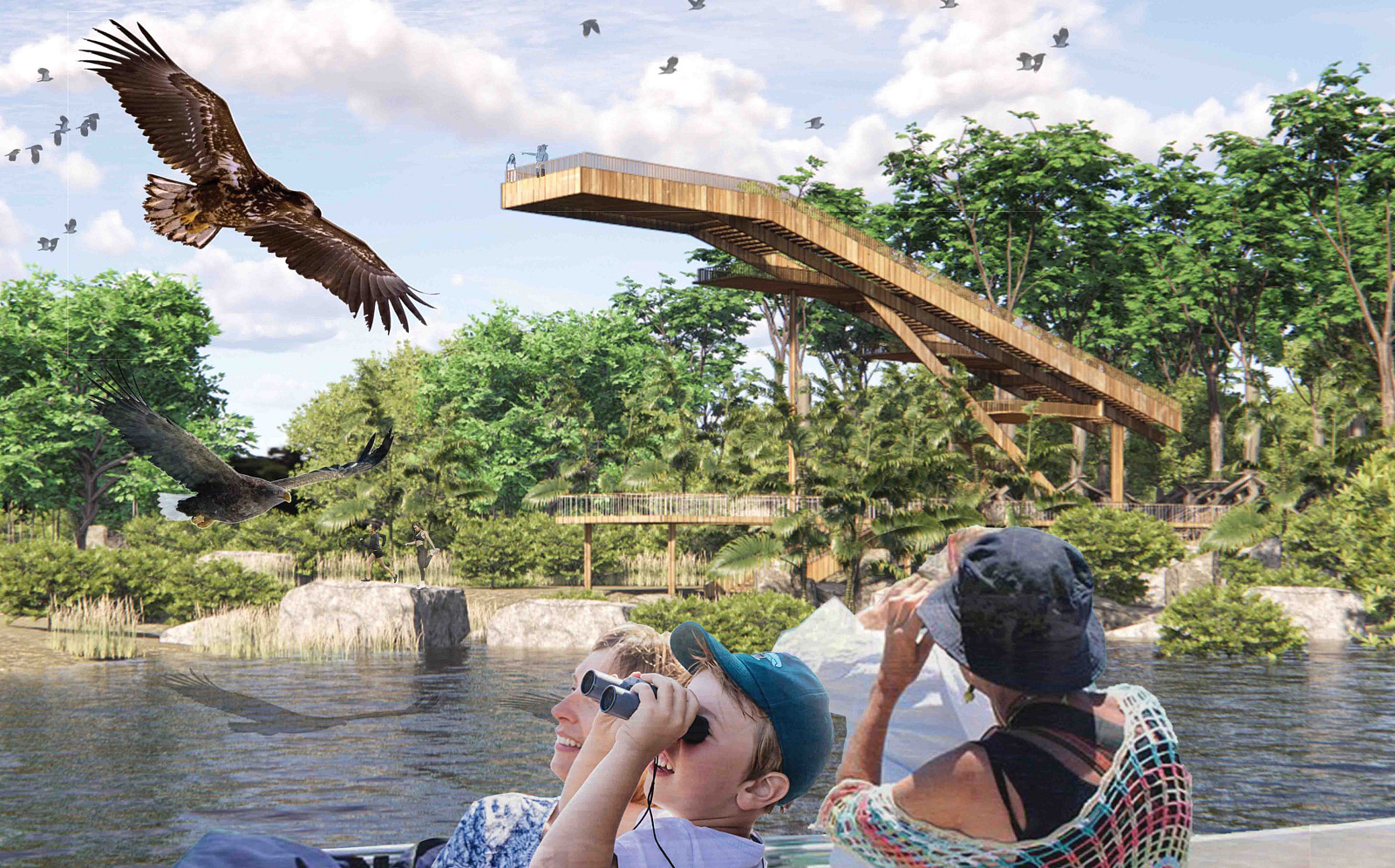
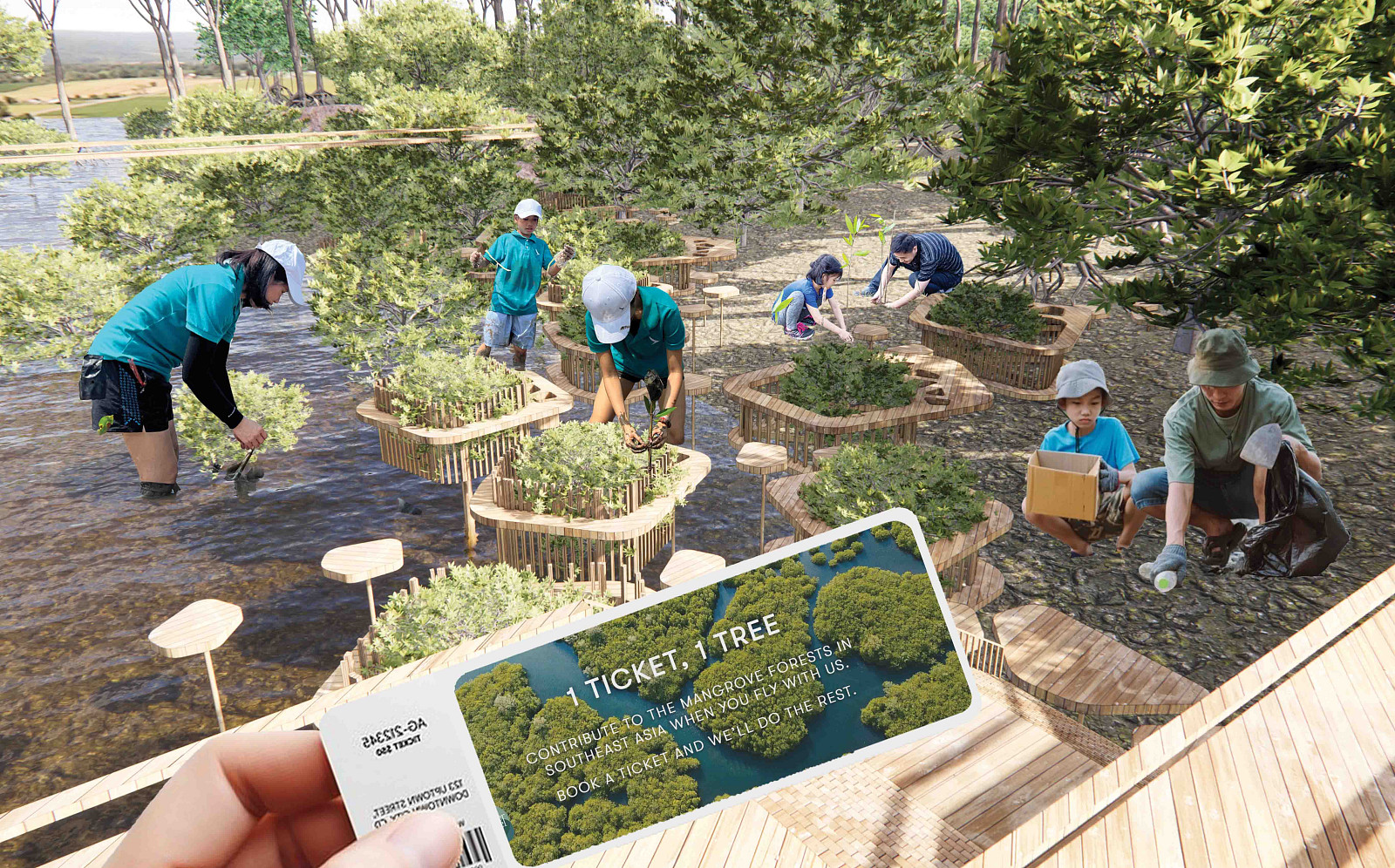
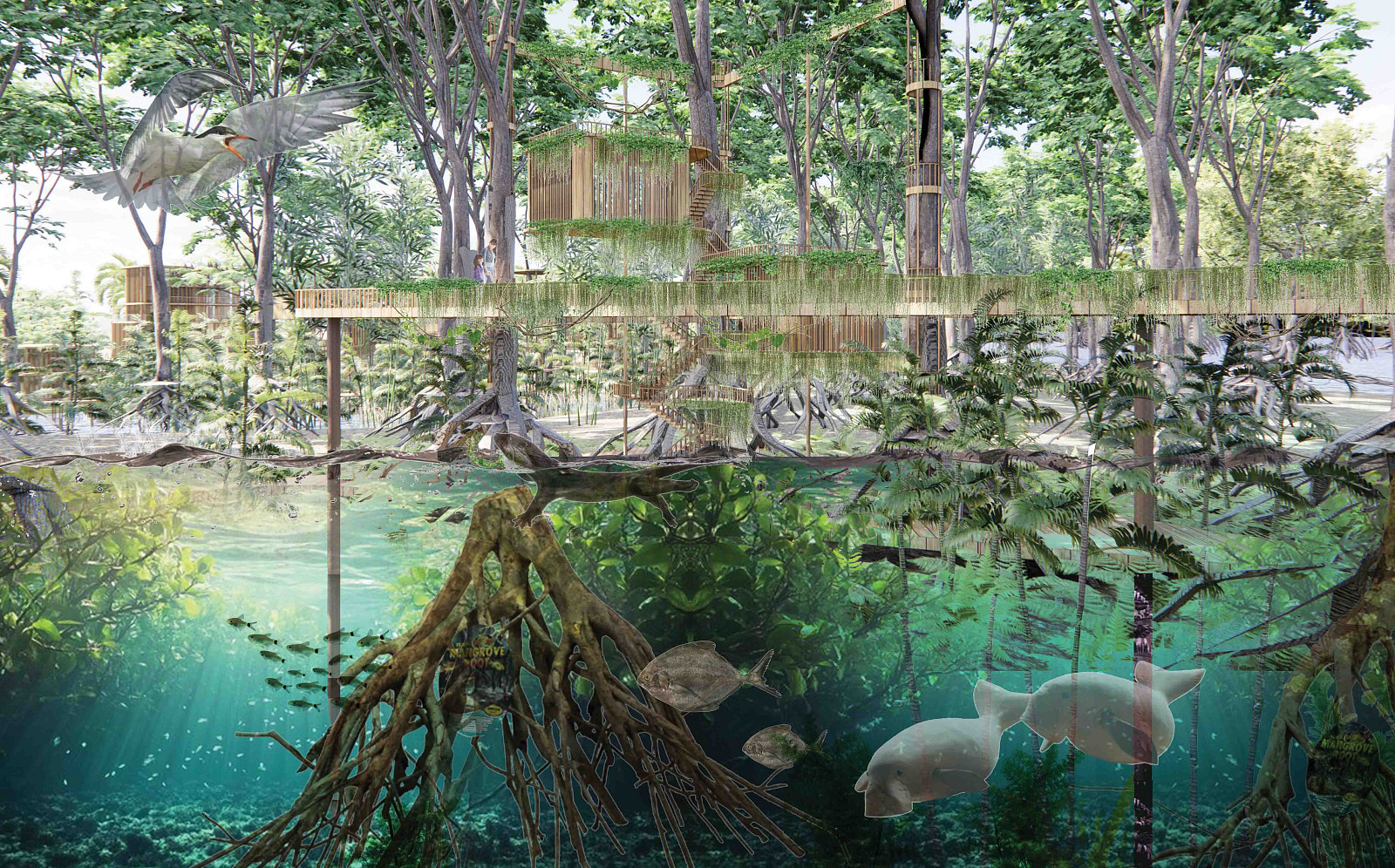
As architects, we possess the power to shape not just buildings, but social and environmental narratives. In this context, architecture becomes more than a physical structure—it transforms into a platform for action, education, and regeneration. The design proposal for the Tanjung Piai Mangrove Living Museum seeks to utilize architecture as a medium to reunite the local community with the mangrove ecosystem through a framework of community-based ecological restoration.
Project description
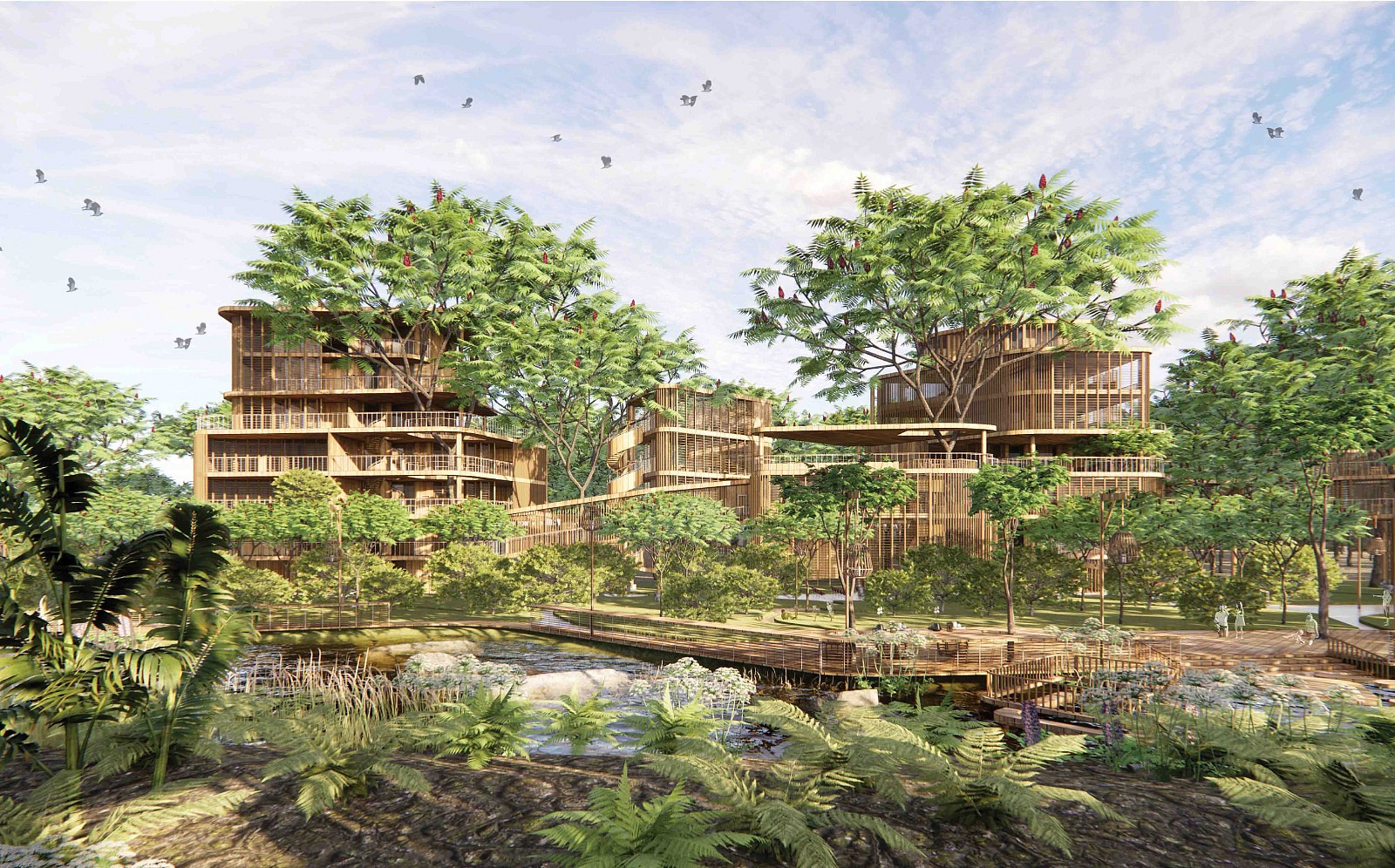
Tanjung Piai Mangrove Living Museum is more than a building—it is a growing, evolving
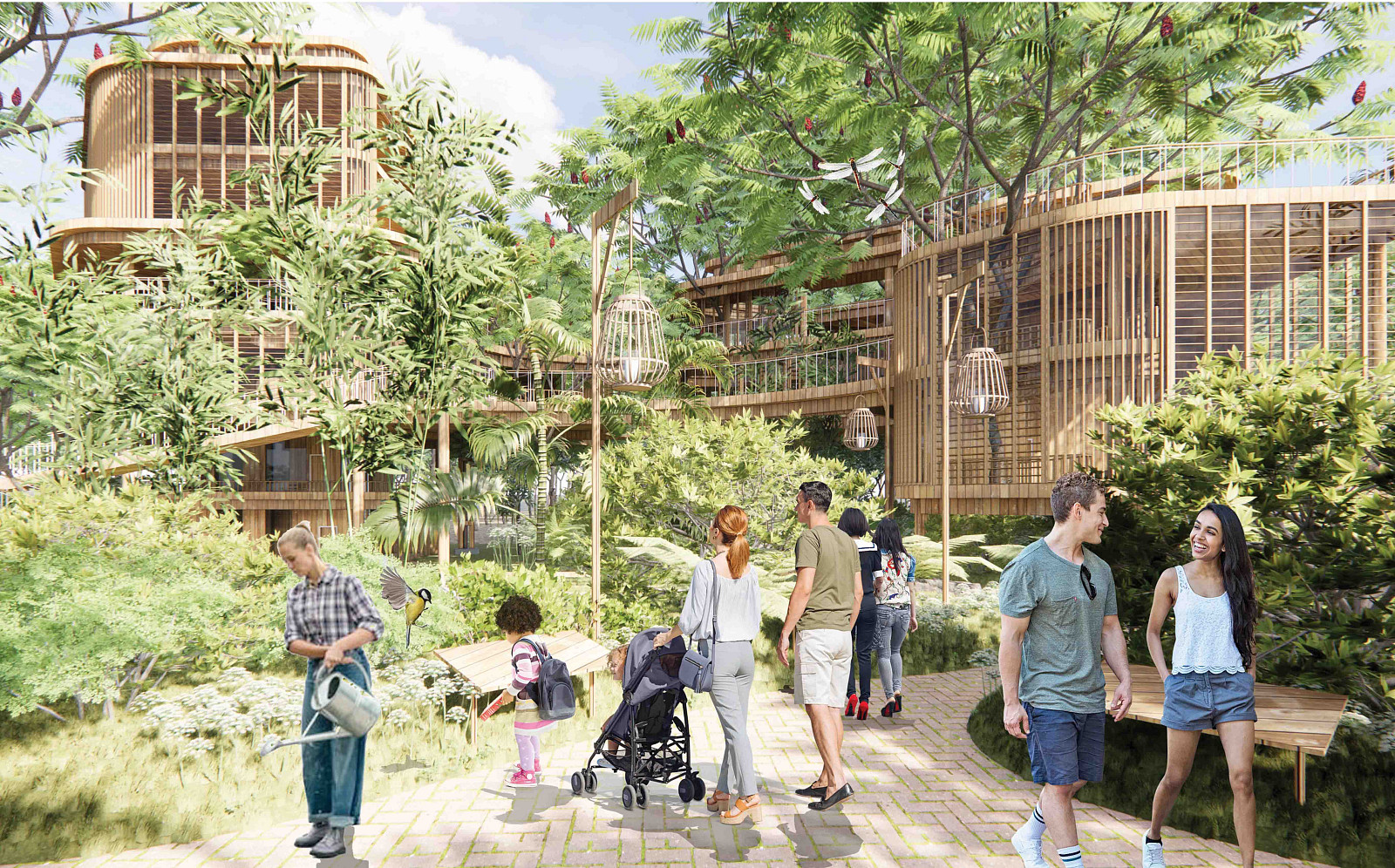
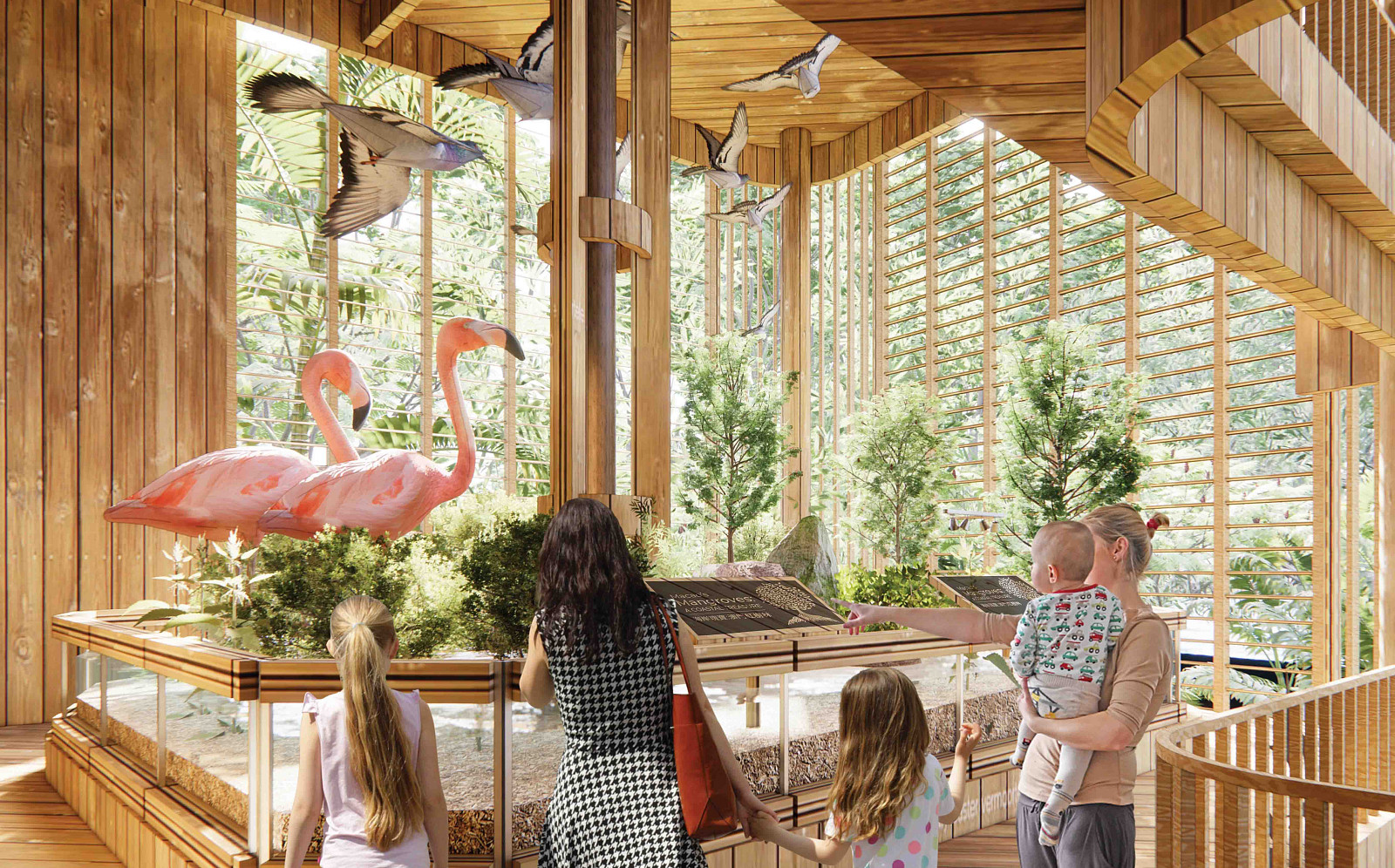
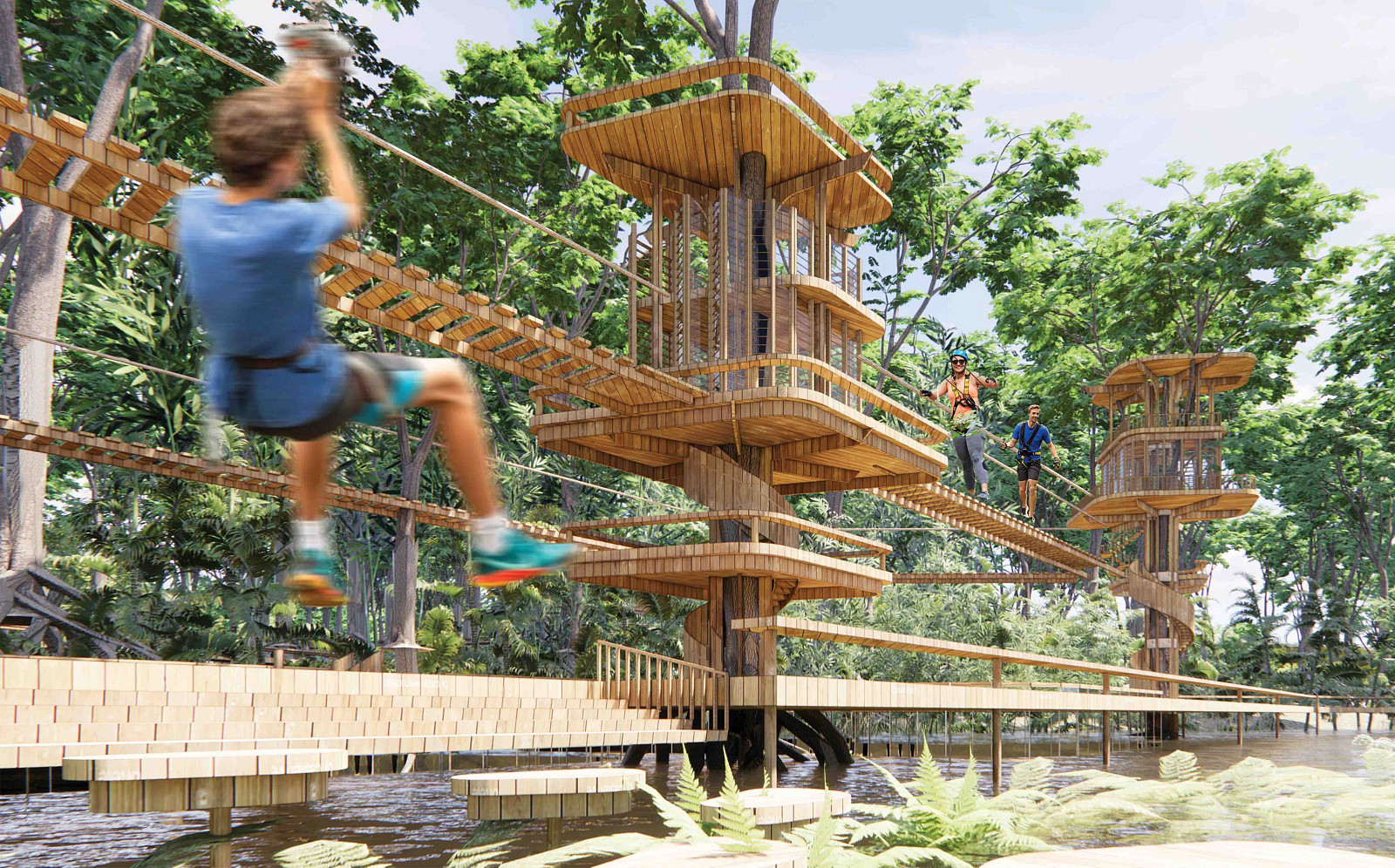
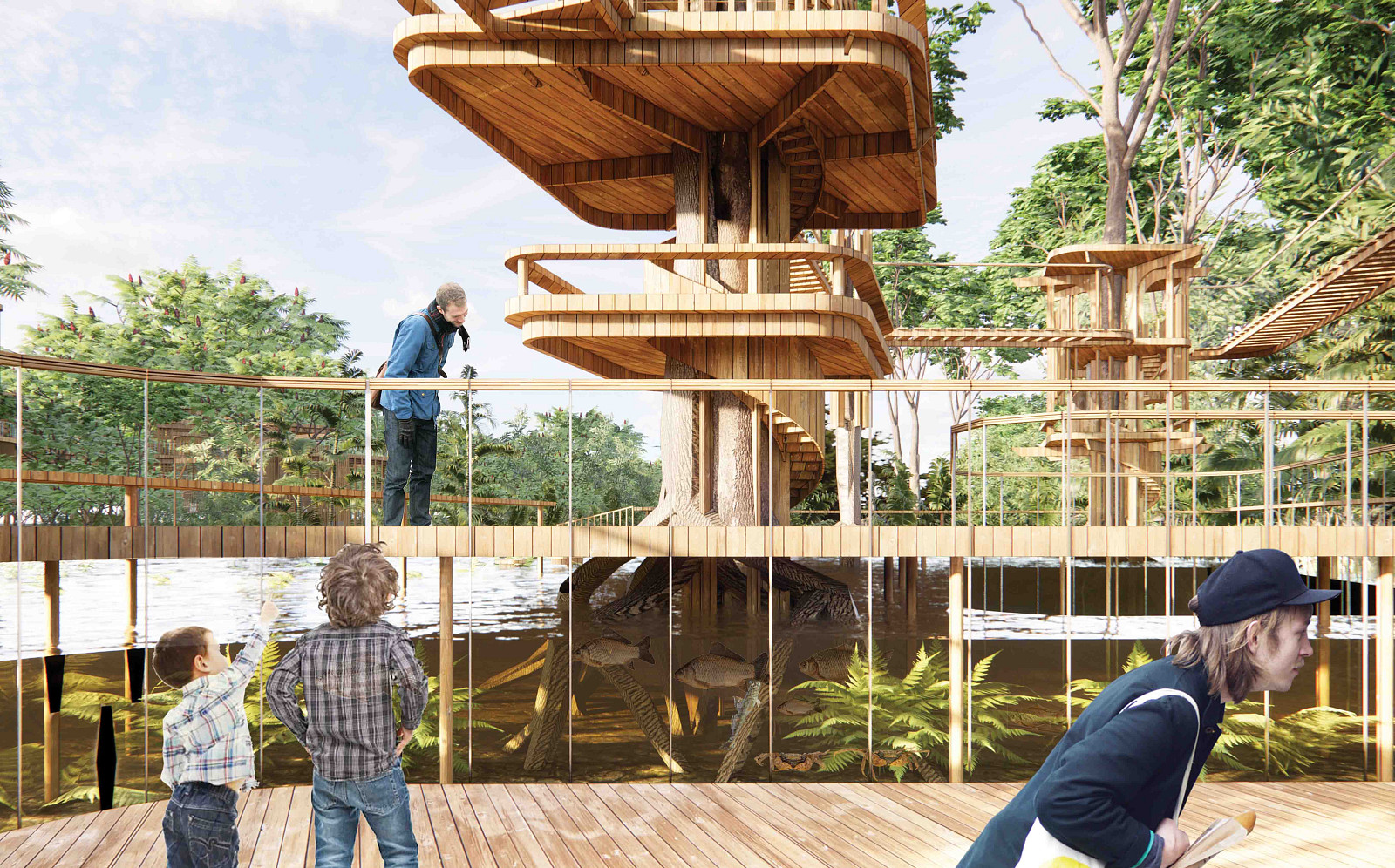
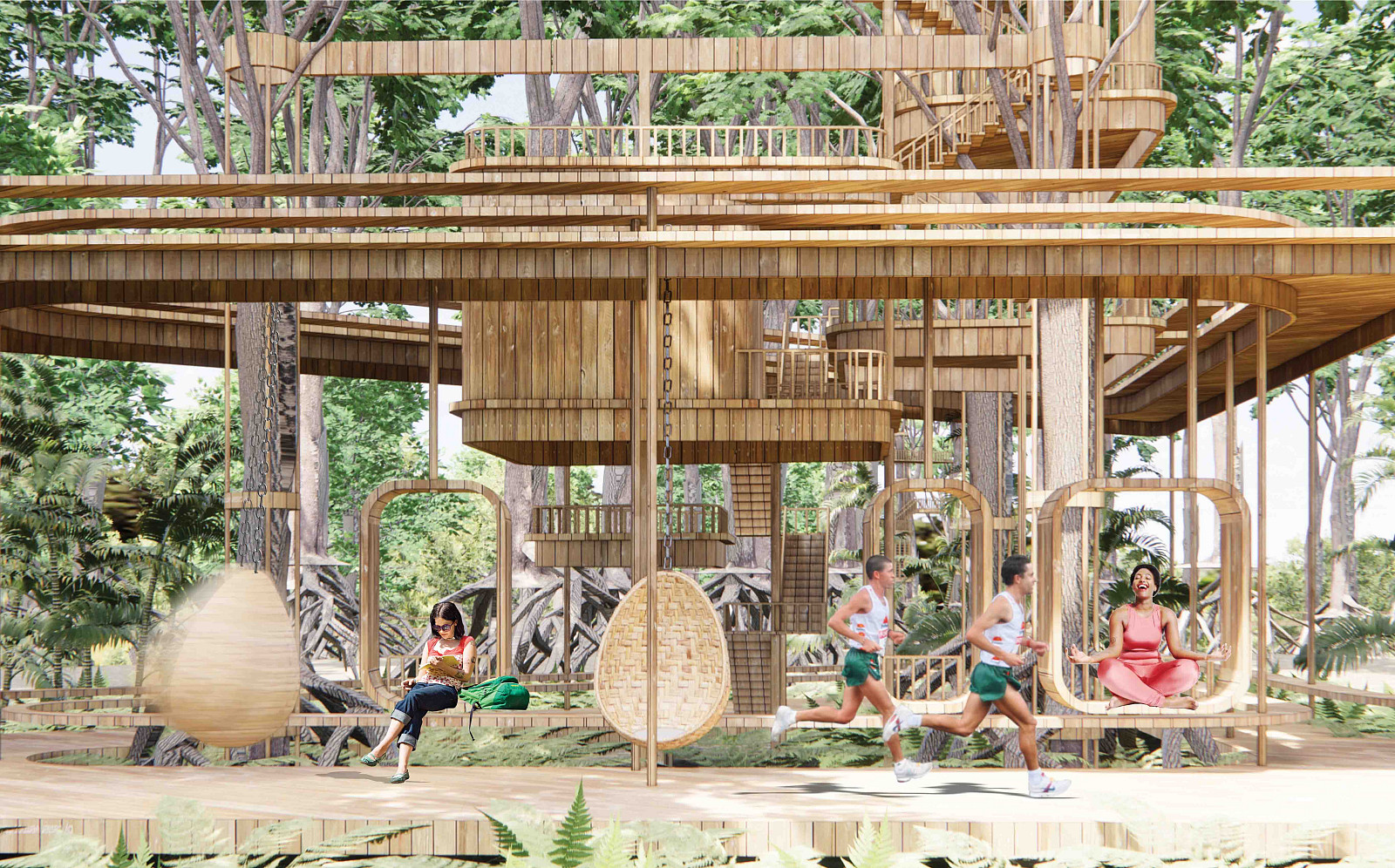
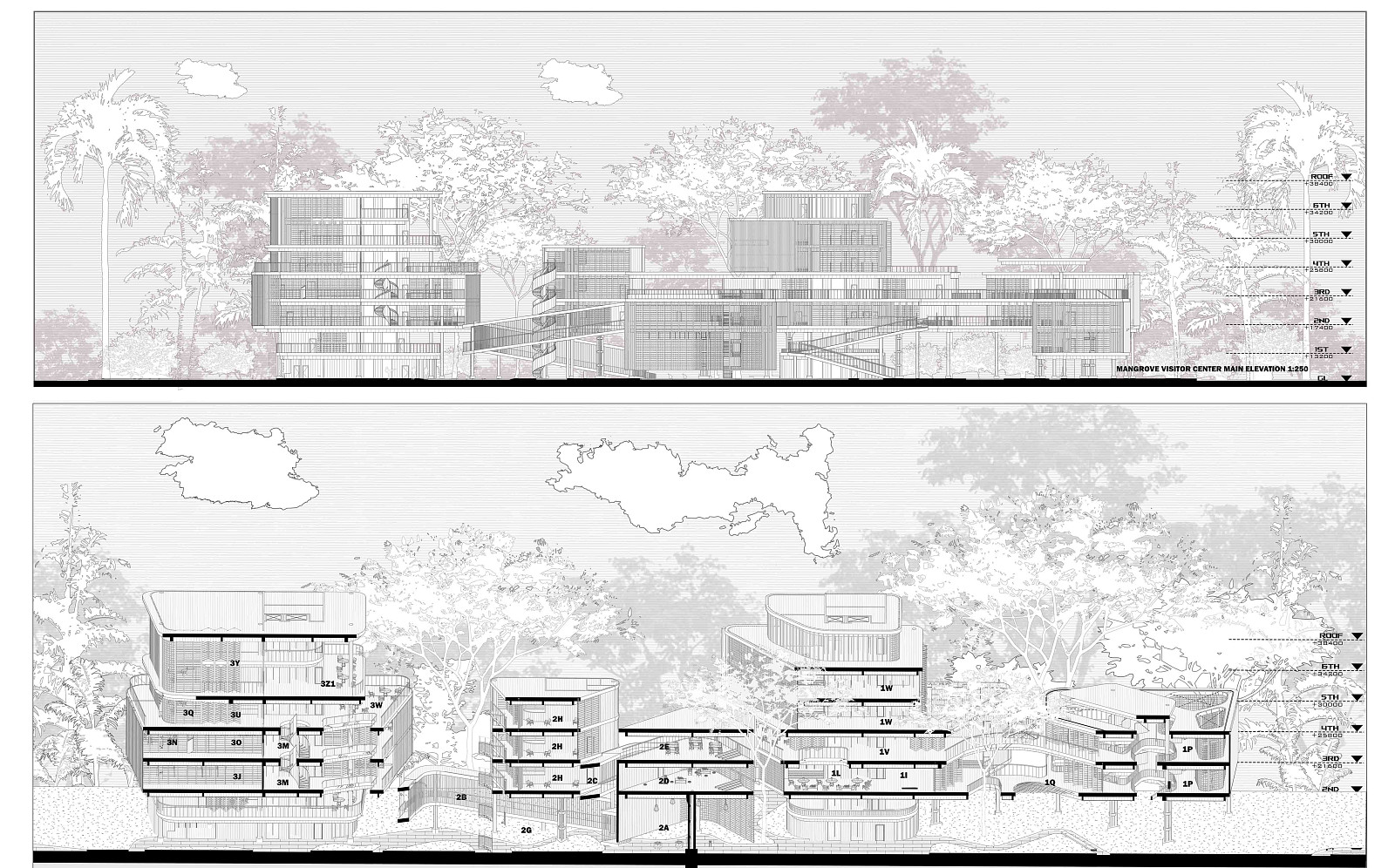
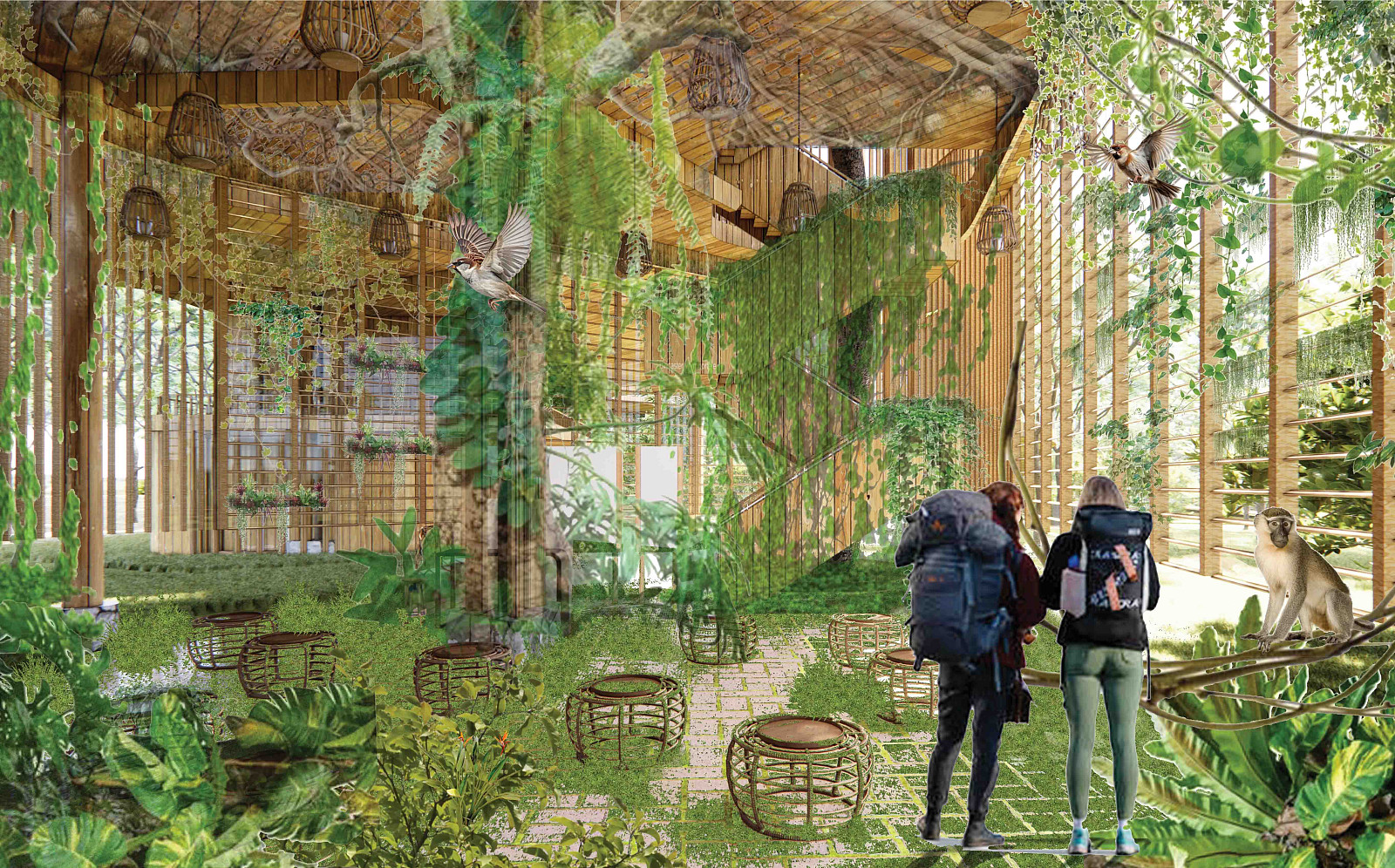
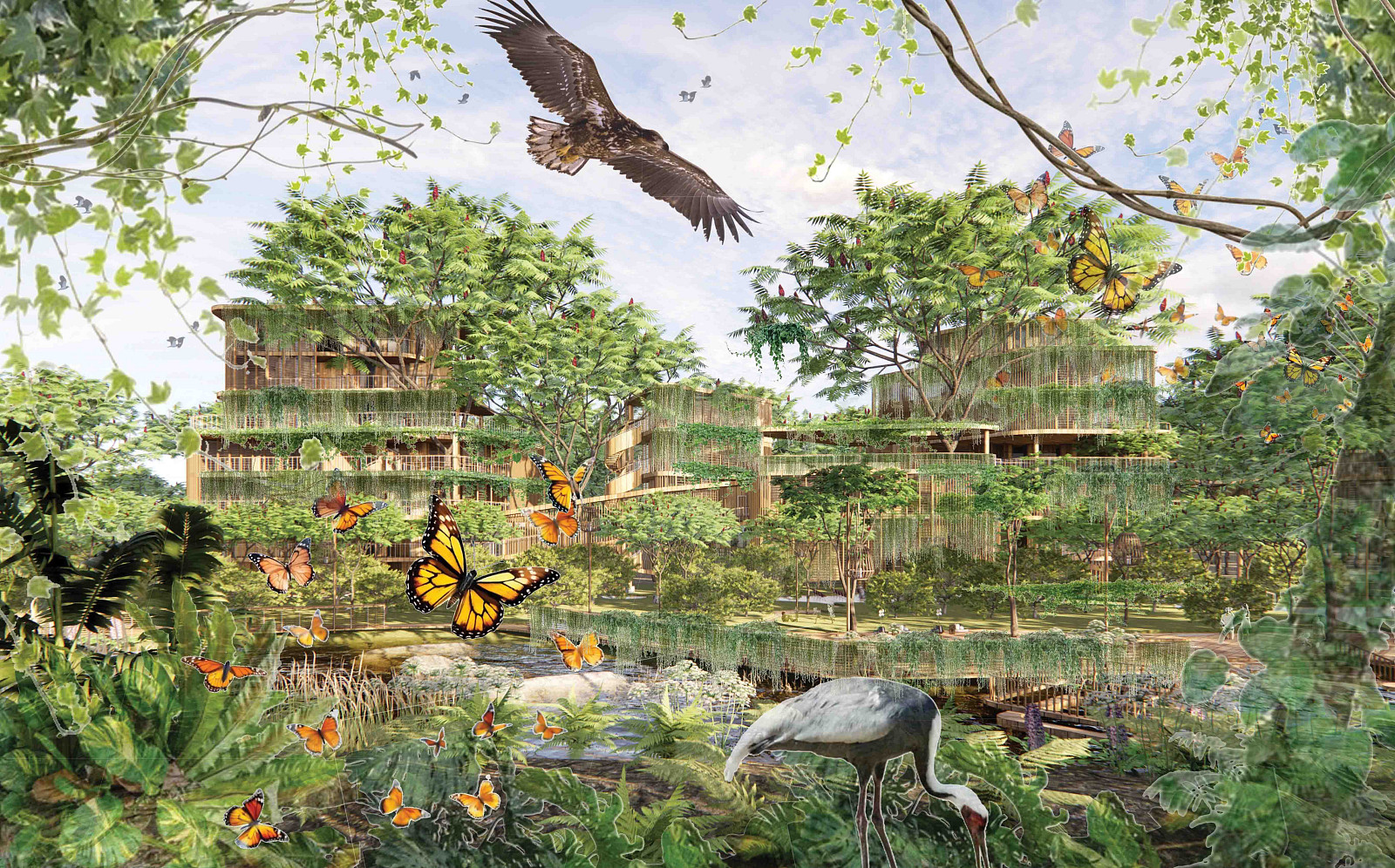
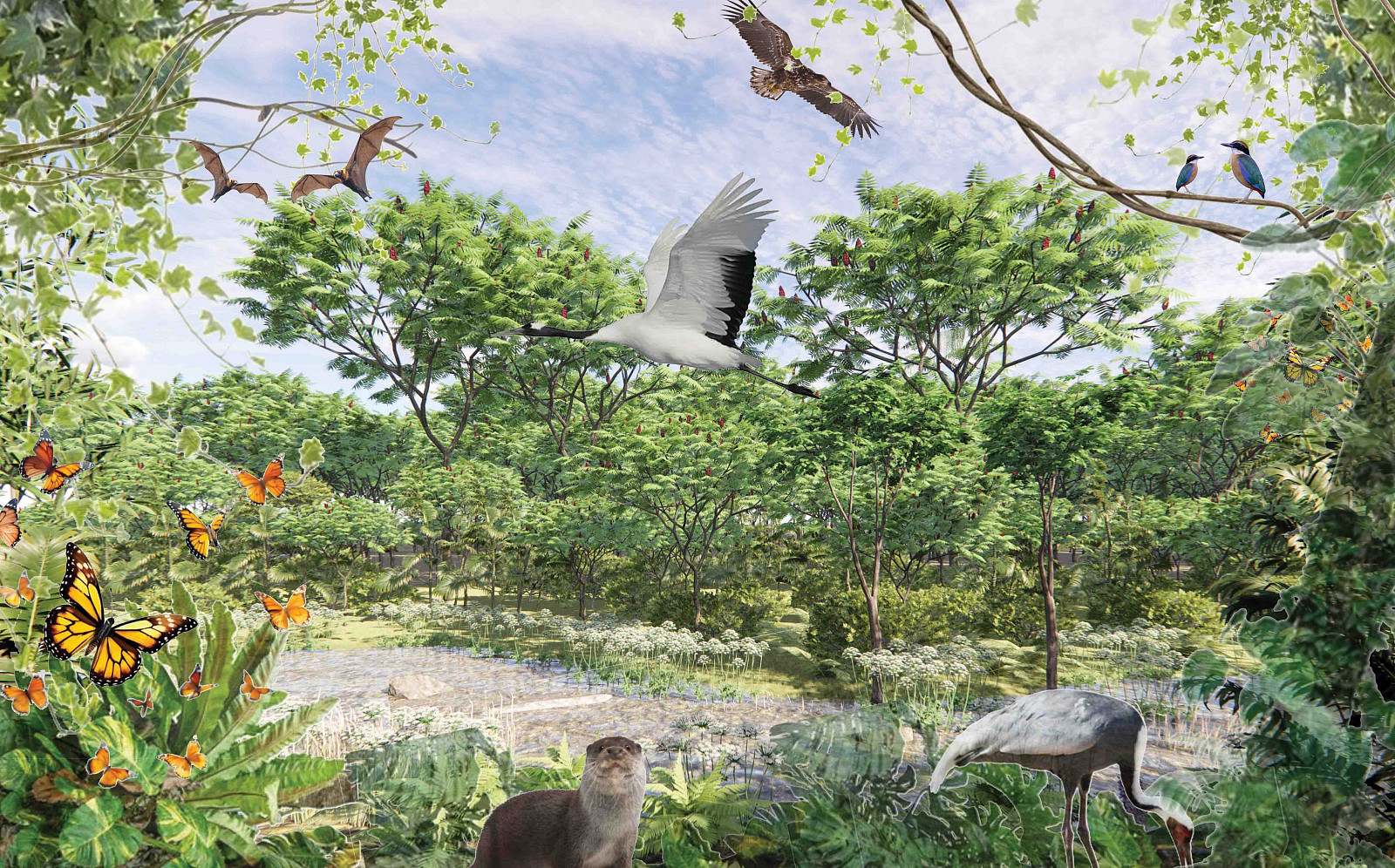
framework for restoration, learning, and community empowerment. Designed with time in mind, the architecture is built using locally sourced mangrove timber, a material that not only supports local economies but also aligns with ecological cycles. The structure invites nature to take root—encouraging plants to grow on and through it. Over the next century, as rehabilitation efforts succeed and mangrove coverage expands, the forest will gradually reclaim the built environment. Architecture and ecology will blend into one living organism, symbolizing a hopeful future where humans and nature thrive together. Through this vision, architecture becomes an act of care, a stage for change, and a catalyst for a greener, more connected tomorrow
Technical information
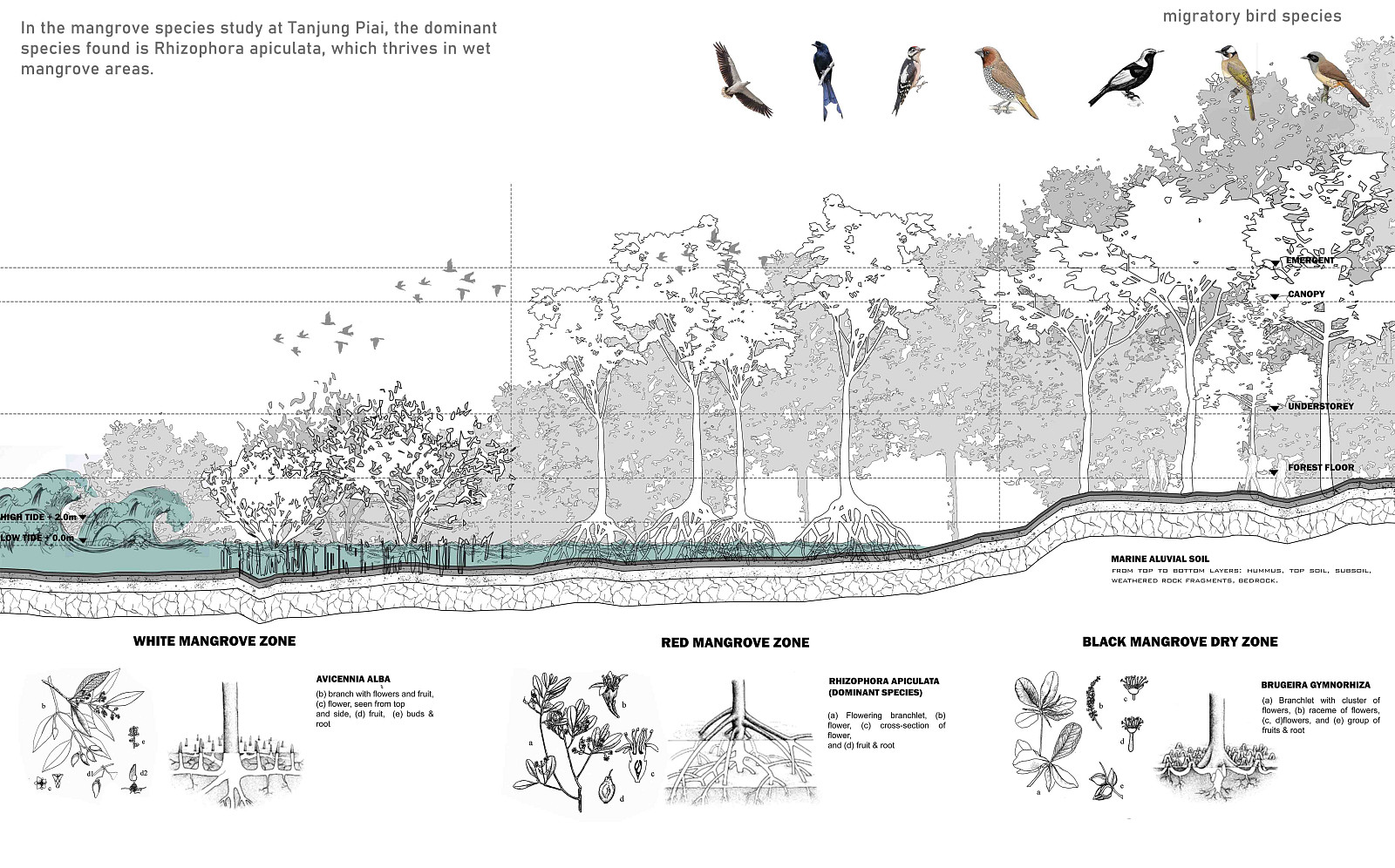
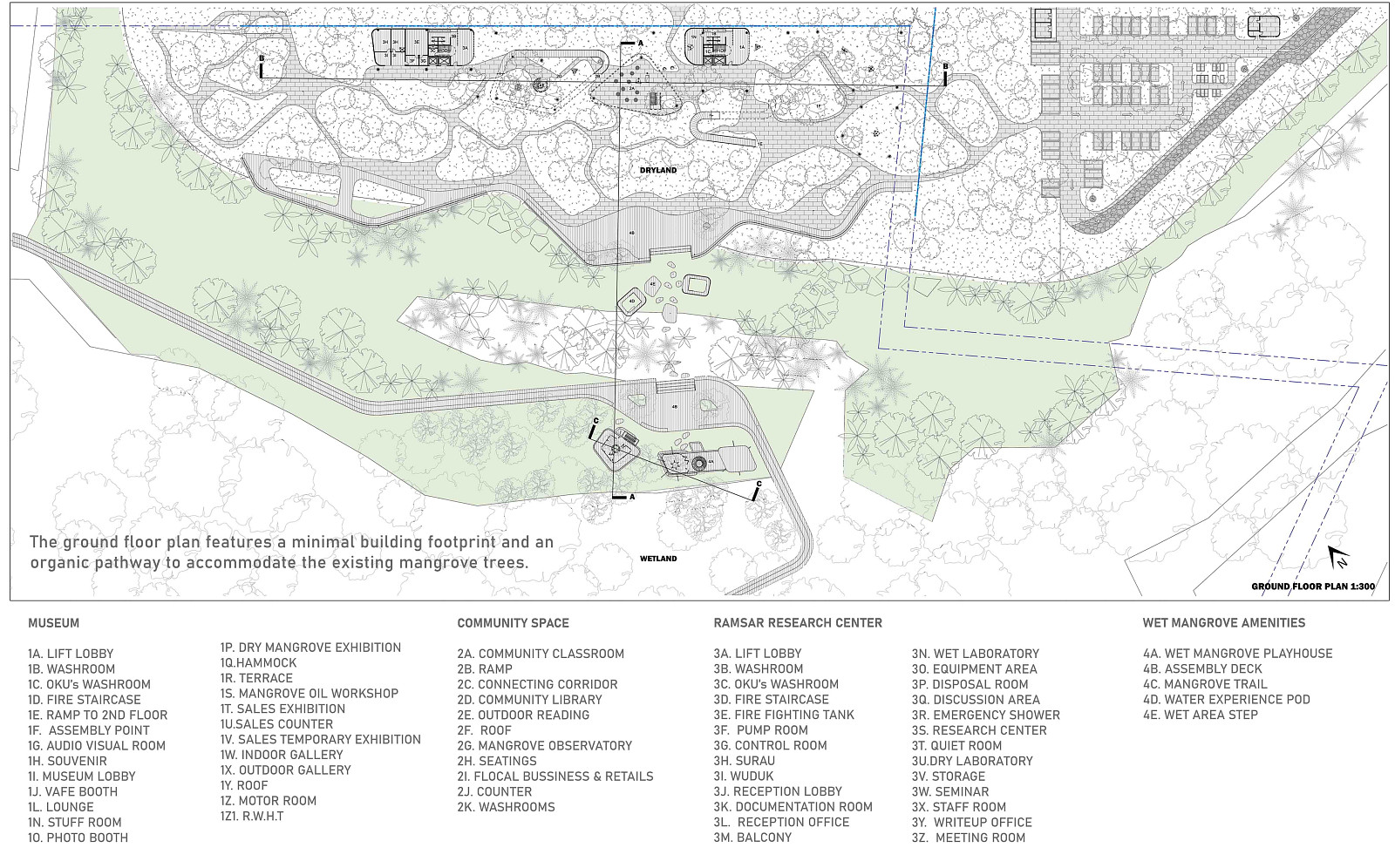
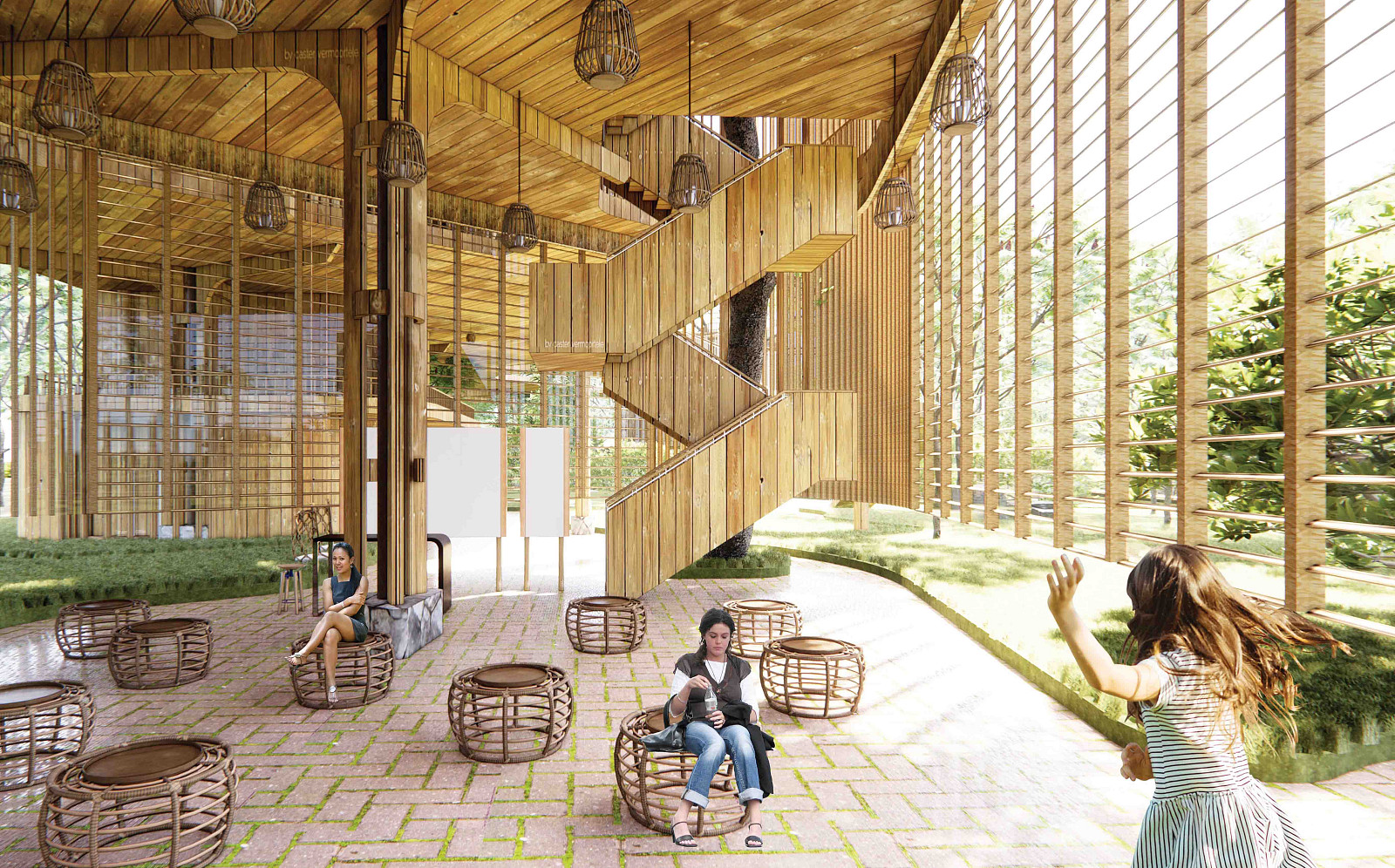
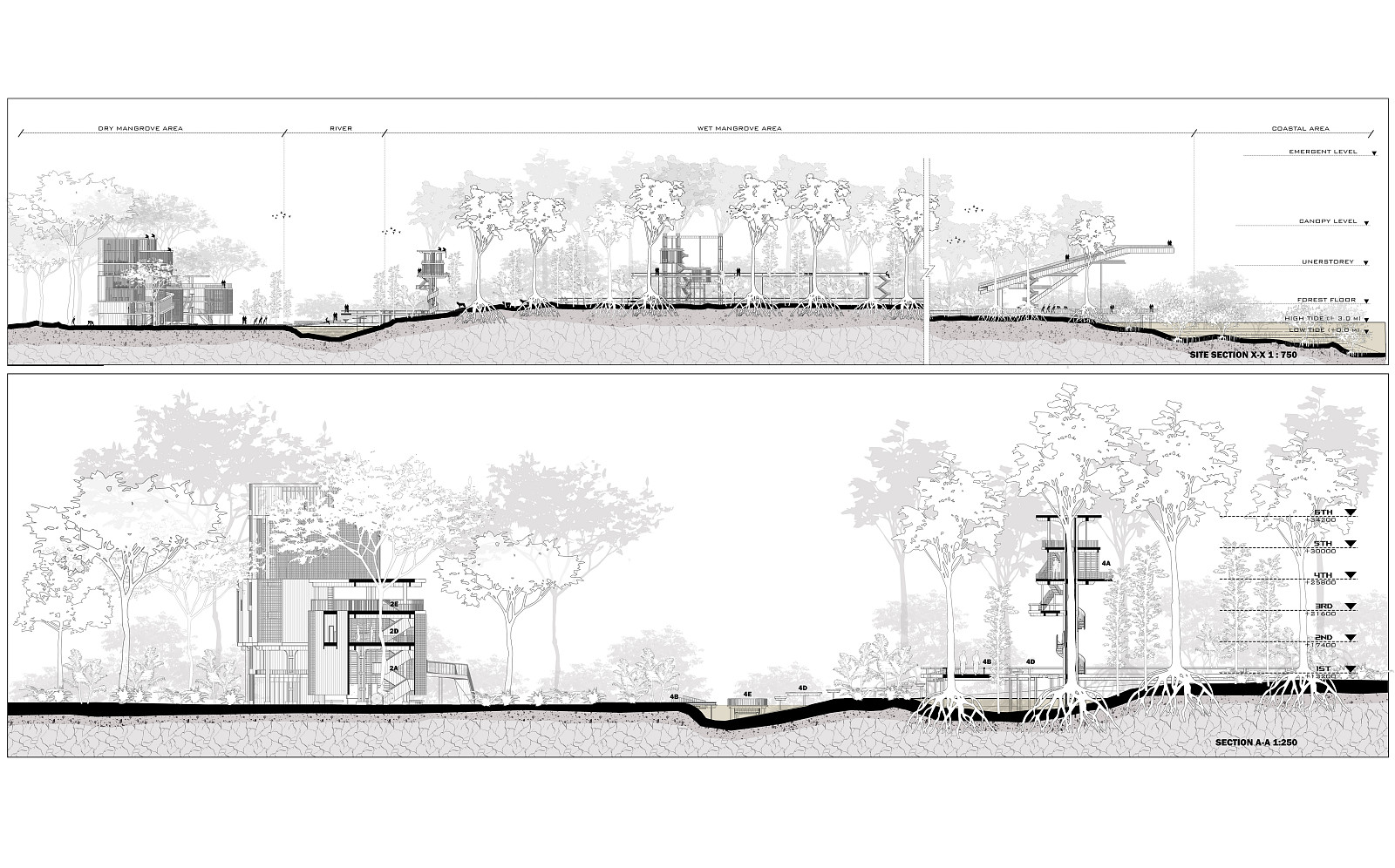
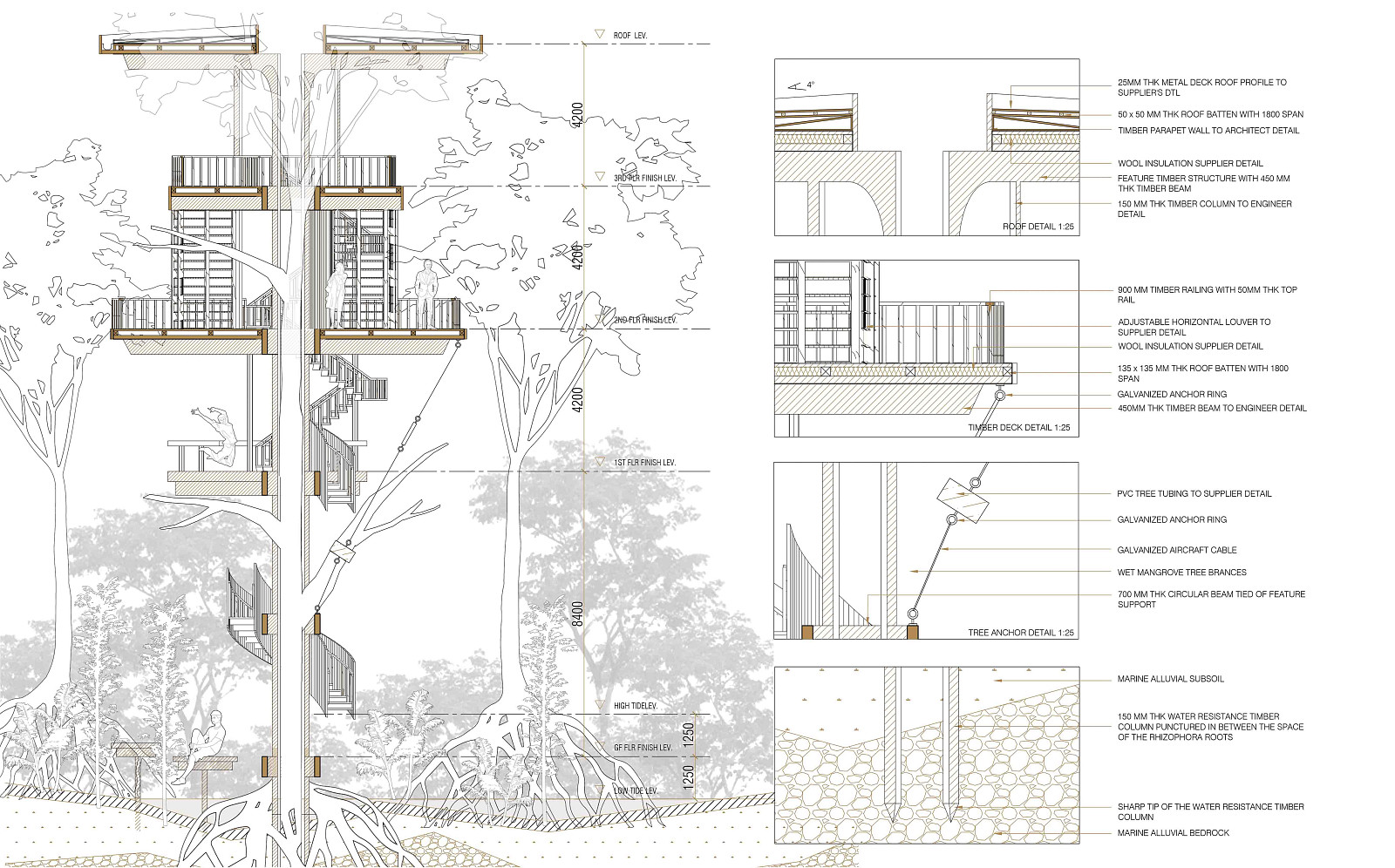
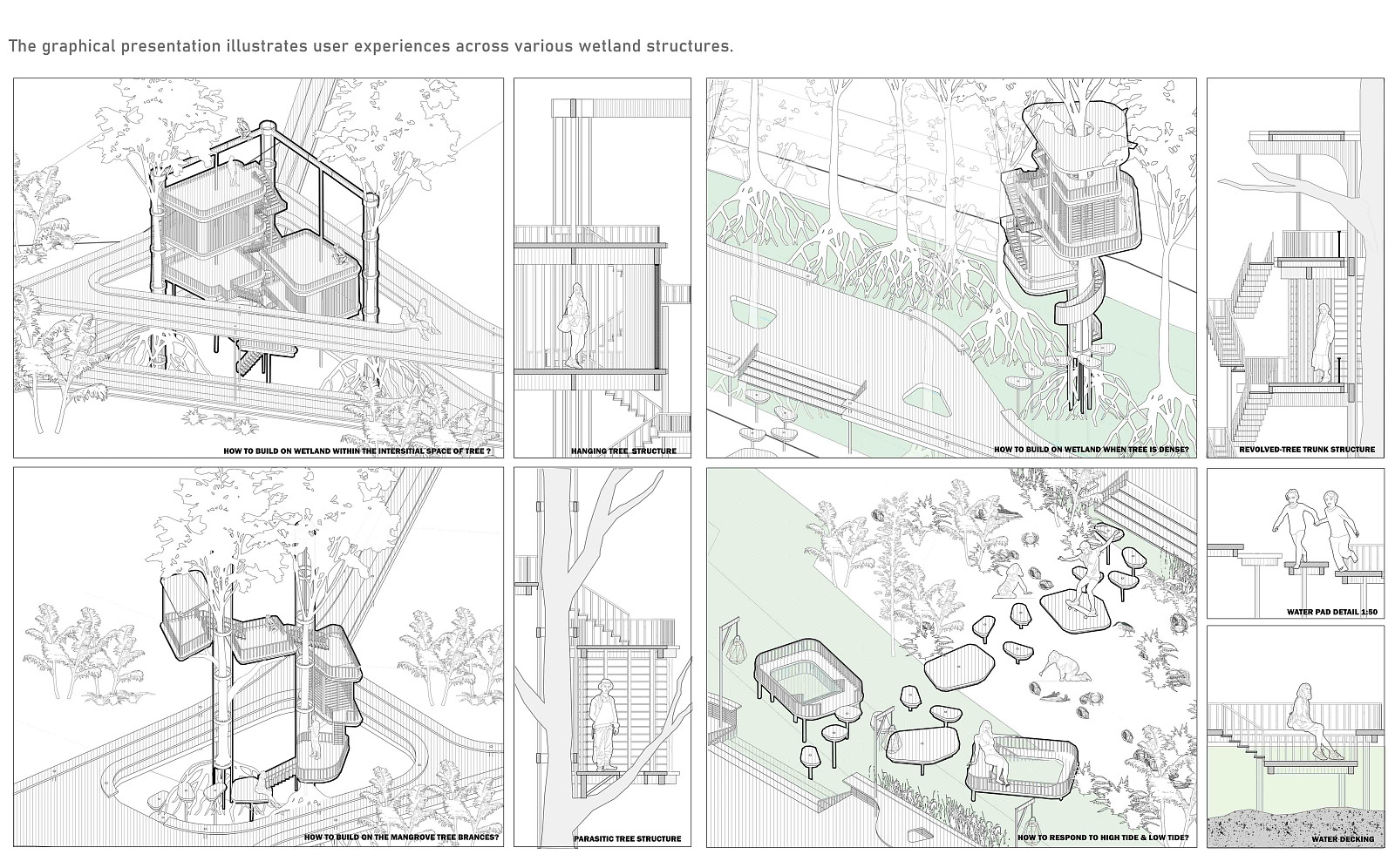
The buildings are designed to minimize ecological disruption, adapting sensitively to both dry and wet mangrove conditions. Stilted structures reduce ground impact, while lightweight modular components allow for flexible construction with minimal intrusion. Passive design strategies such as natural ventilation, rainwater harvesting, and daylighting are integrated to reduce energy use and operational costs.


Copyright © 2026 INSPIRELI | All rights reserved. Use of this website signifies your agreement to the Terms of Use, Privacy Policy, and use of cookies.