NIKE GARMENT AND TEXTILE FACTORY


Project idea
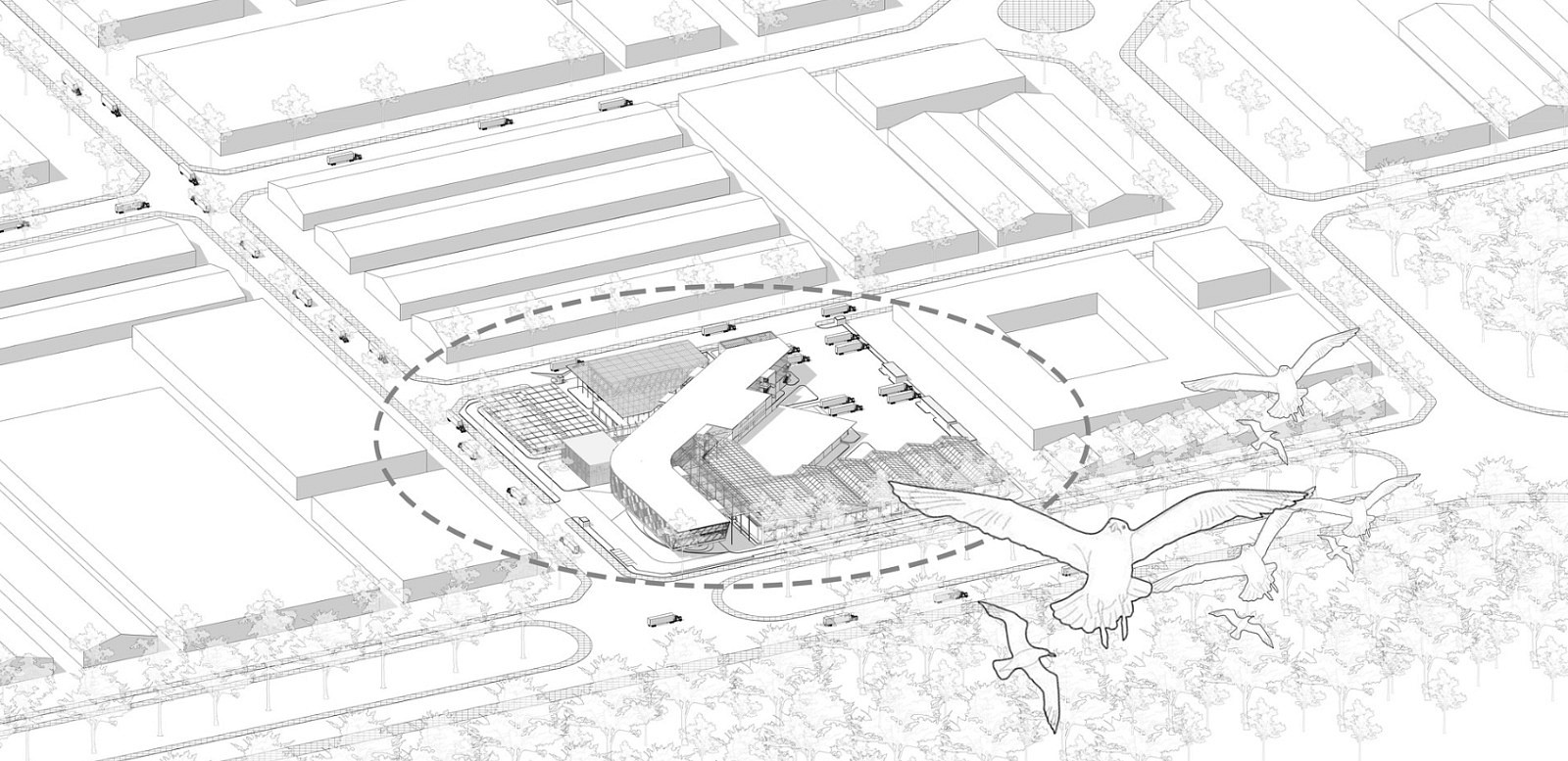
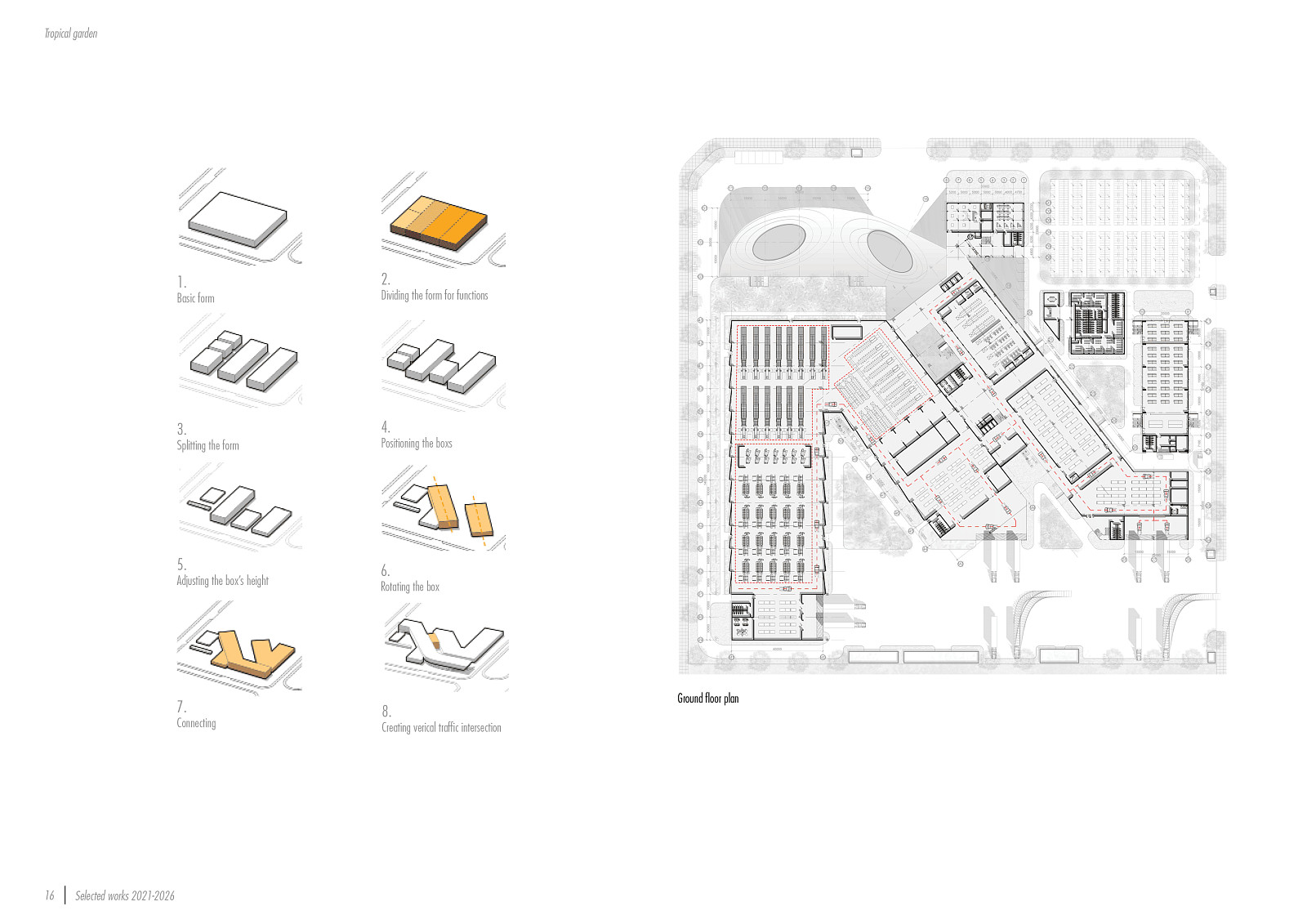
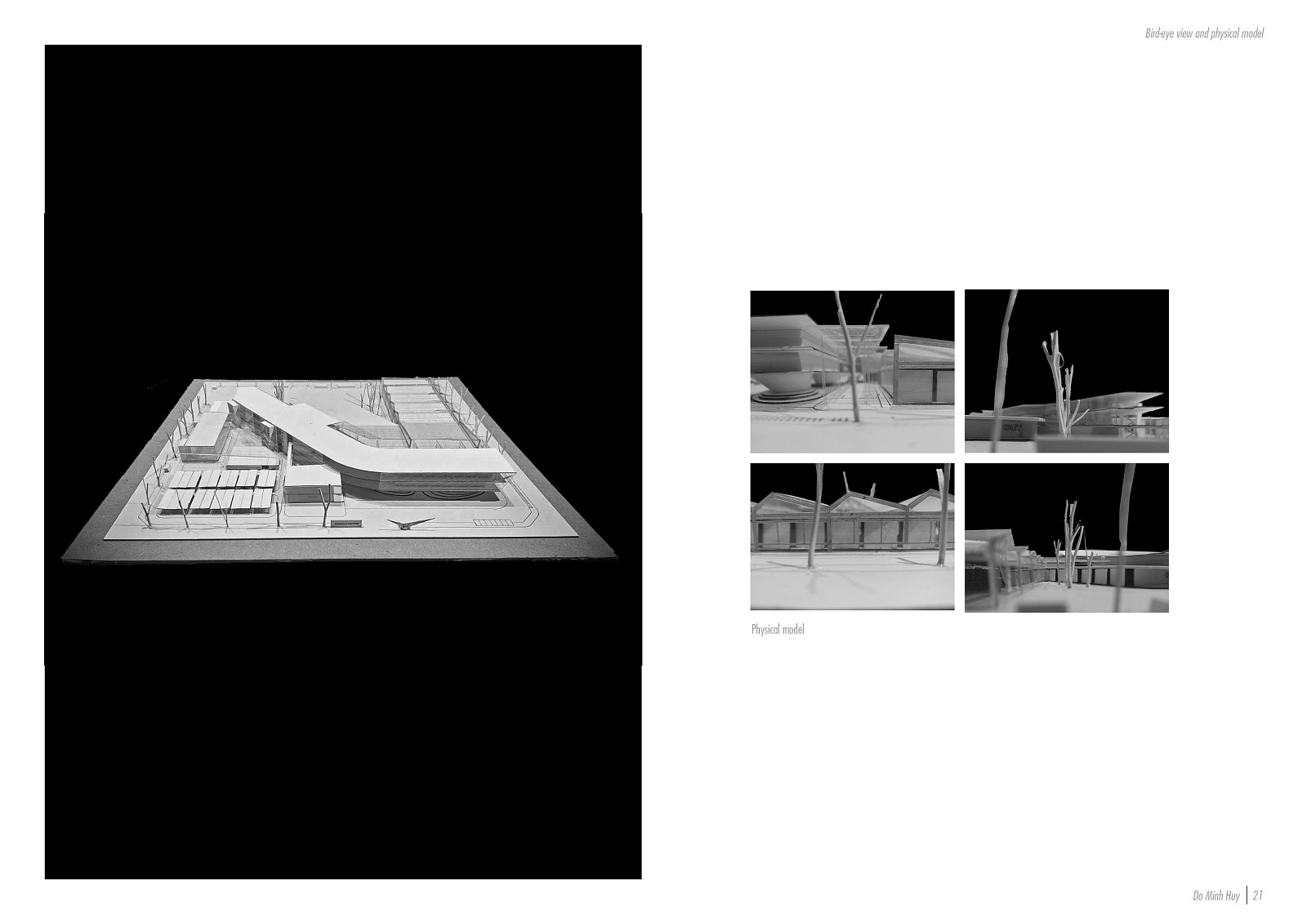
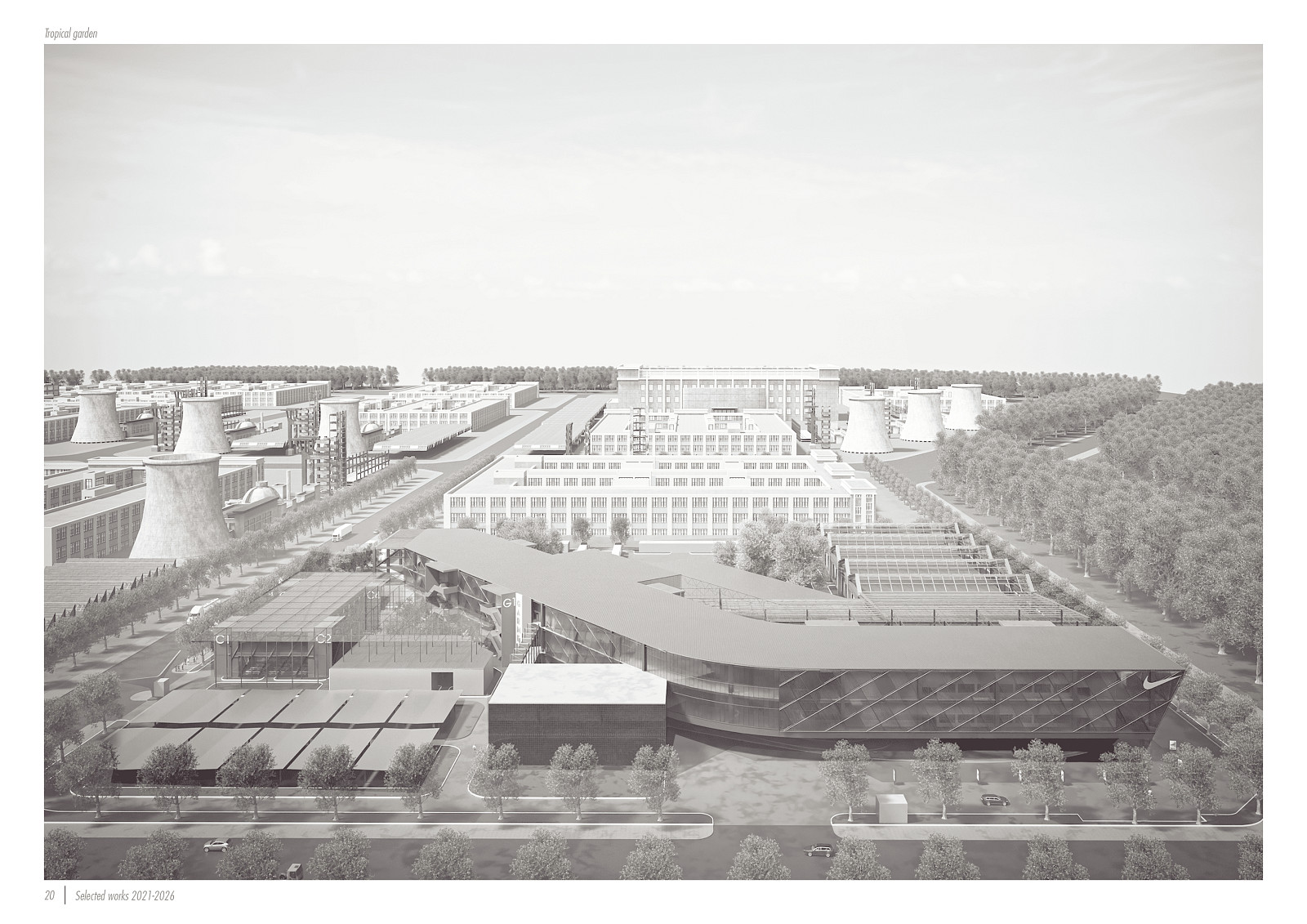
“Tropical Garden” aims to redefine the conventional image of industrial architecture—often perceived as rigid and monotonous—by integrating tropical nature as a fundamental design element. Rooted in the context of the textile–garment industry in Tay Bac Cu Chi Industrial Park, where dense production activity meets a hot–humid climate, the project proposes a sustainable factory model that mitigates environmental pressure while improving workers’ well-being. The idea begins with a simple industrial box, which is then divided according to functional programs, rotated, and reconnected to generate green voids between production blocks. These “tropical gardens” enhance natural ventilation, daylighting, and thermal comfort, while introducing a more human-centered working environment. The project serves as an experimental approach for integrating green architectural strategies into modern industrial facilities in Vietnam.
Project description
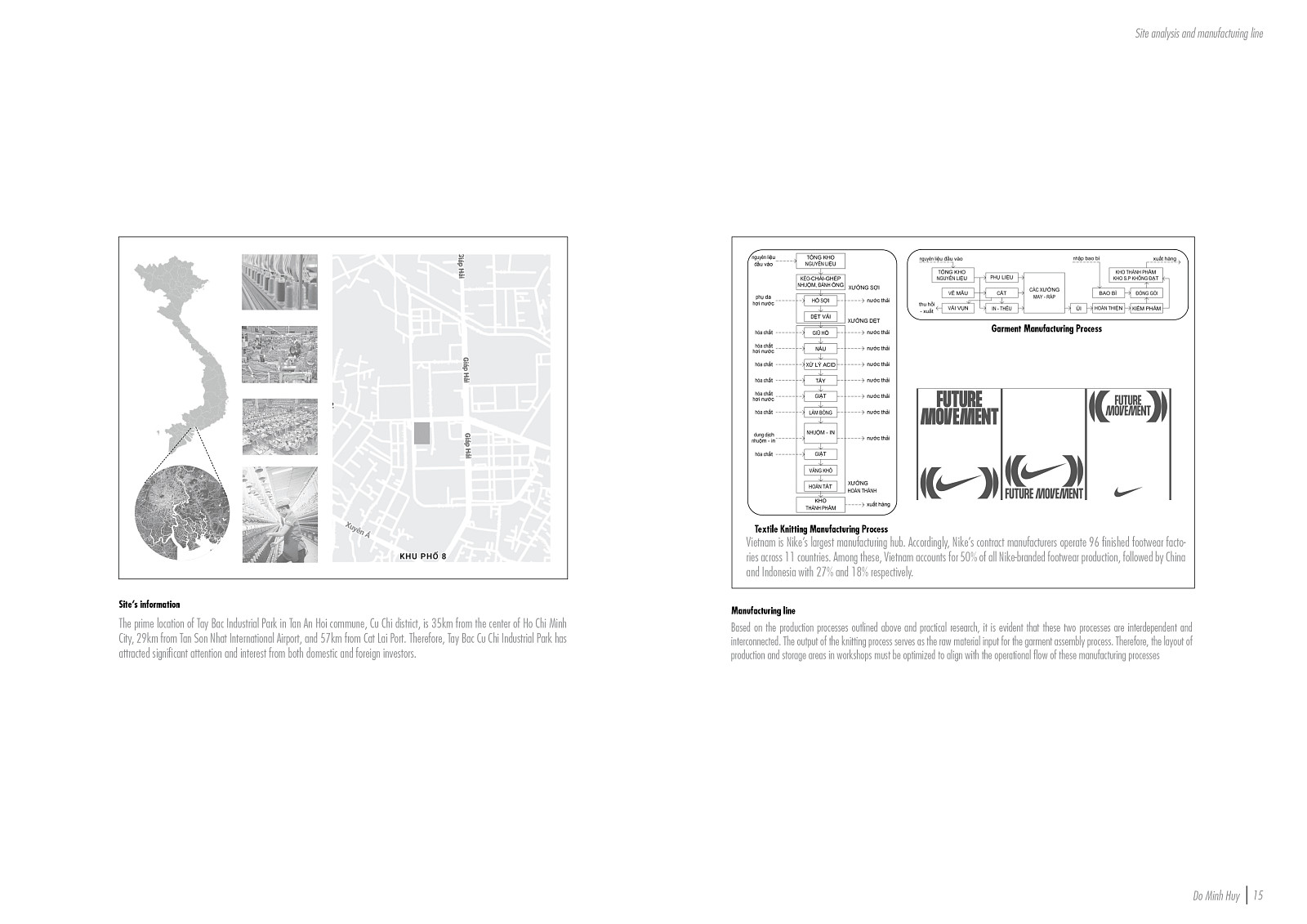
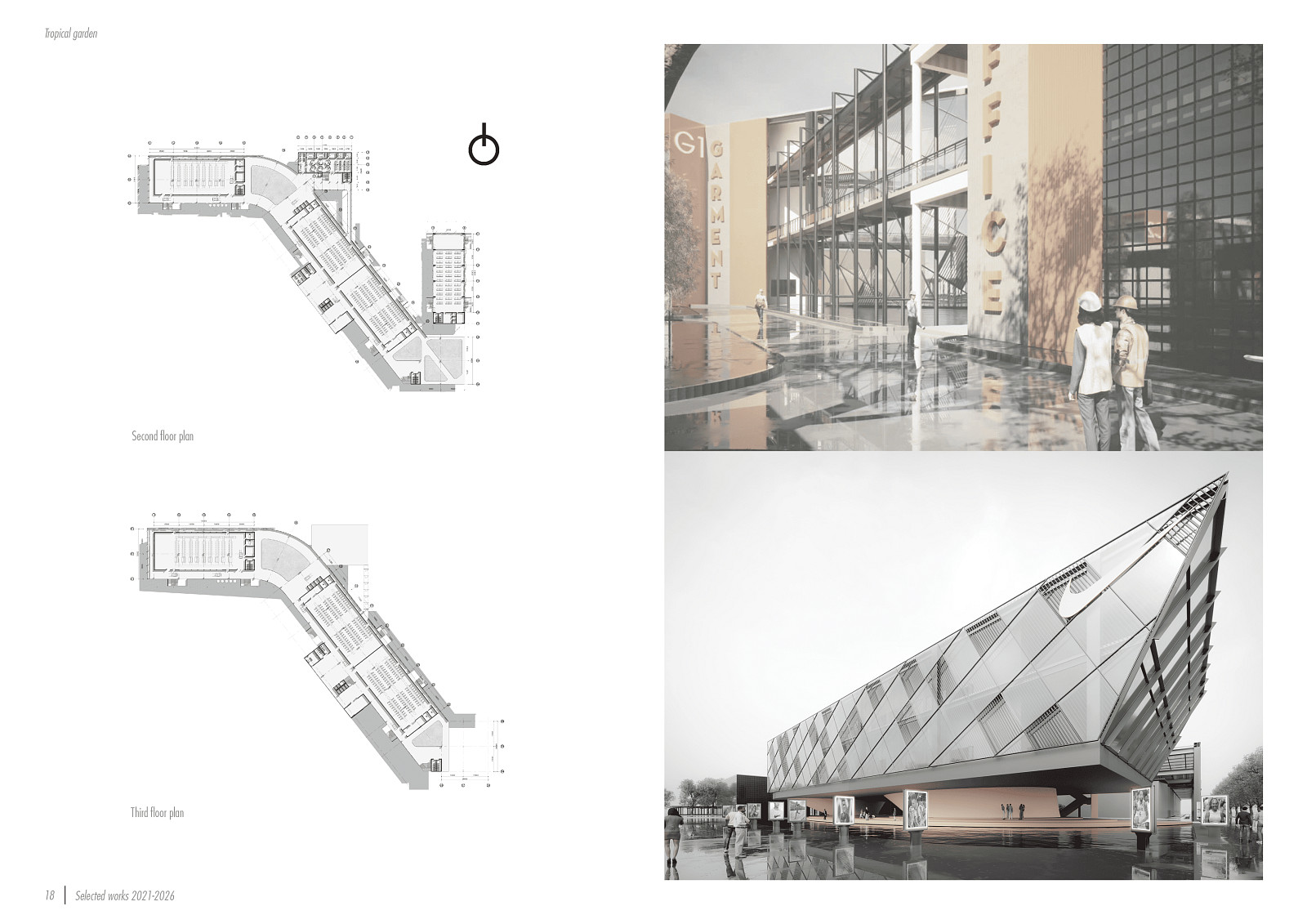
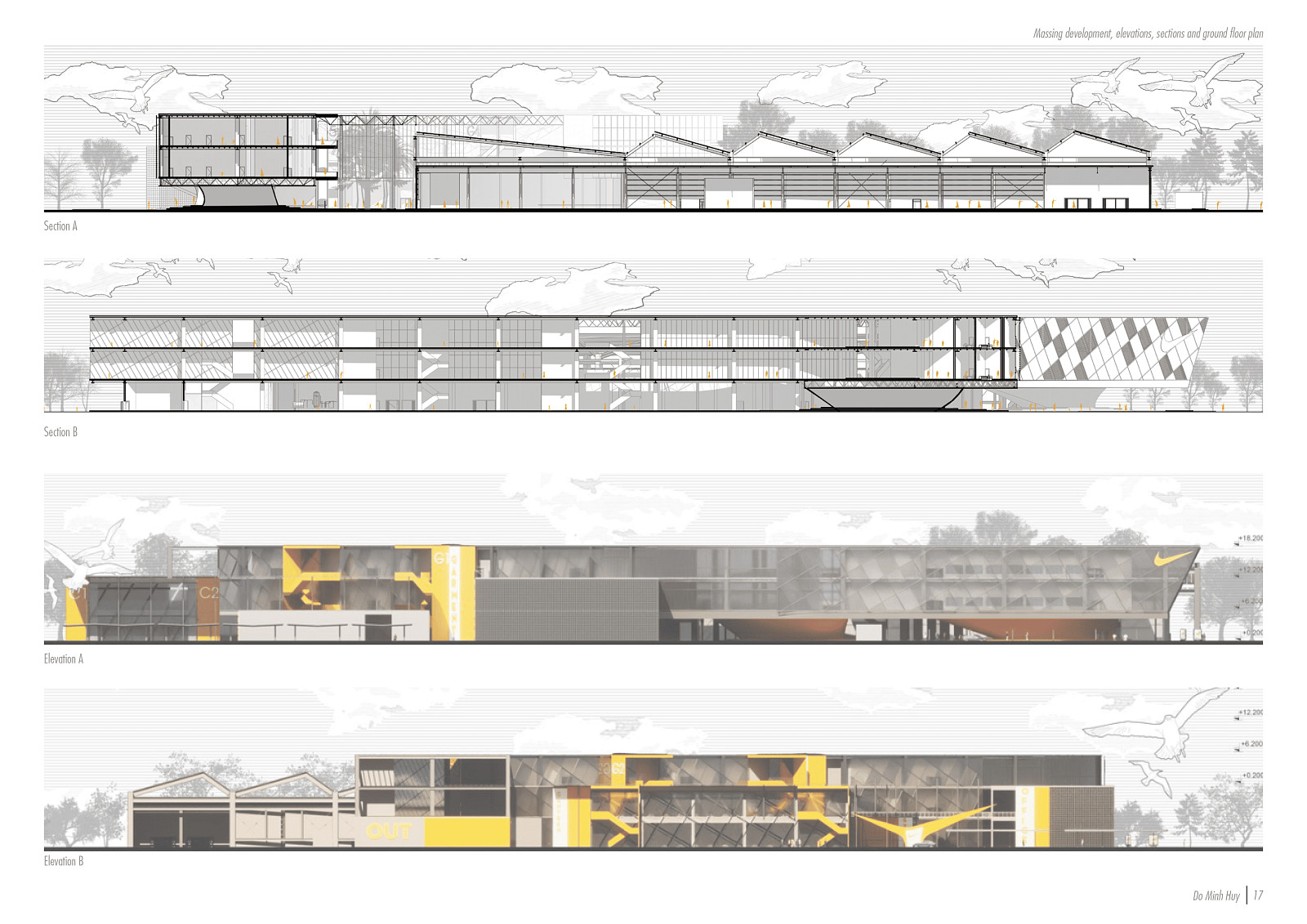
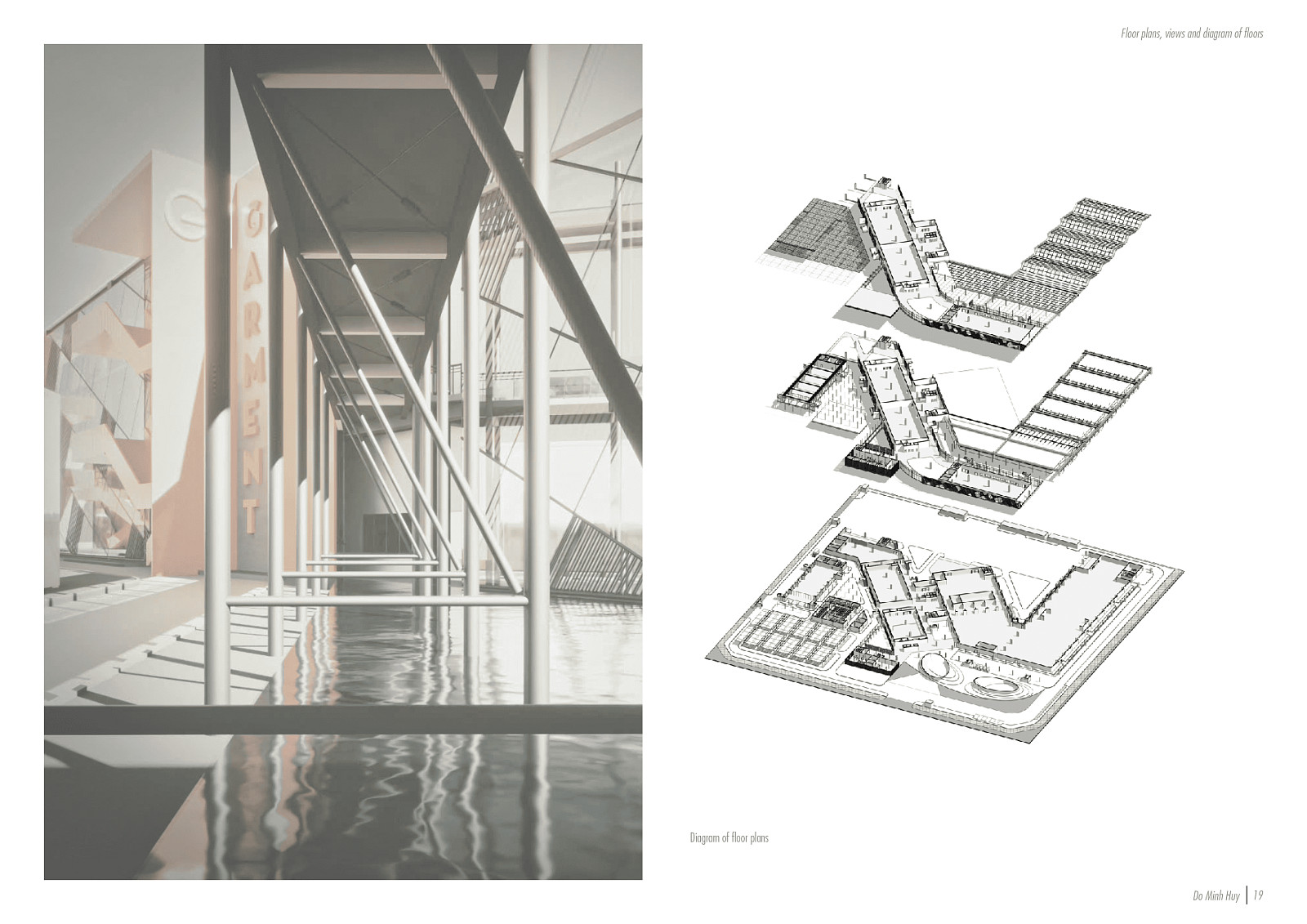
The project is developed from an in-depth study of the textile–garment production chain, consisting of two main components: knitting and garment manufacturing, with an annual capacity of 5 million meters of fabric and 3 million finished products. The floor plan is organized according to a continuous workflow, optimizing the movement of materials—from raw input to production and dispatch—while minimizing circulation conflicts. Functional volumes are modularized, adjusted in height based on ventilation and lighting requirements, then rotated to open up natural airflow corridors. Native greenery, courtyards, and green roofs are strategically integrated to reduce surface temperature, improve microclimate conditions, and enhance overall workplace comfort. The architectural ensemble becomes a “productive garden,” where industrial infrastructure is combined with ecological strategies, forming a sustainable model suited to the tropical climate and industrial context of Cu Chi.
Technical information
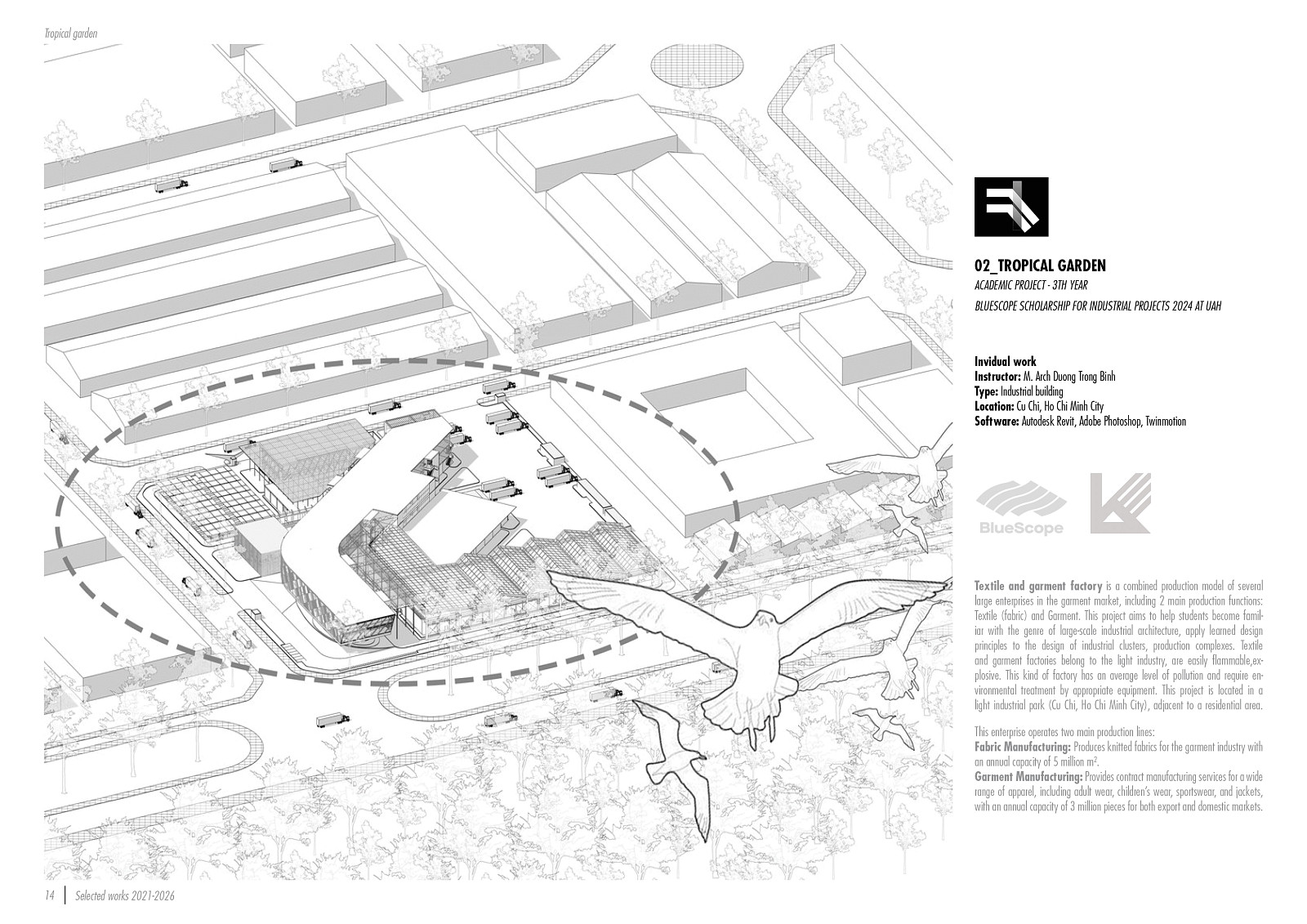
Textile and garment factory is a combined production model of several large enterprises in the garment market, including 2 main production functions: Textile (fabric) and Garment. This project aims to help students become familiar with the genre of large-scale industrial architecture, apply learned design principles to the design of industrial clusters, production complexes. Textile and garment factories belong to the light industry, are easily flammable,explosive. This kind of factory has an average level of pollution and require environmental treatment by appropriate equipment.
This enterprise operates two main production lines:
Fabric Manufacturing: Produces knitted fabrics for the garment industry with an annual capacity of 5 million m².
Garment Manufacturing: Provides contract manufacturing services for a wide range of apparel, including adult wear, children’s wear, sportswear, and jackets, with an annual capacity of 3 million pieces for both export and domestic markets.

Copyright © 2026 INSPIRELI | All rights reserved. Use of this website signifies your agreement to the Terms of Use, Privacy Policy, and use of cookies.